

Gas and bloating are uncomfortable, and what you eat directly influences how much gas your digestive system produces. The most effective strategy is not a single miracle food, but a pattern of eating that limits fermentable carbohydrates, supports regular digestion, and avoids swallowing excess air. Foods that are easiest on the digestive tract include lean proteins, cooked vegetables like zucchini and carrots, ripe bananas, and white rice, while the biggest triggers are typically beans, carbonated drinks, and certain raw vegetables.
Why Do Certain Foods Cause Gas and Bloating?
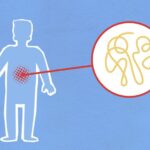
Gas forms when bacteria in your large intestine ferment carbohydrates that your small intestine did not fully digest. This is a normal process. Everyone produces gas. The amount depends on what you eat and how your individual digestive system handles it.
Some carbohydrates are more likely to reach the colon undigested. These are often called fermentable carbohydrates. They pull water into the bowel and produce gas when bacteria break them down. For some people, this causes noticeable bloating and discomfort. For others, the same foods cause no symptoms at all.
Bloating is not always about gas volume. Sometimes the intestine is more sensitive to stretching. A normal amount of gas can feel painful if your gut is hypersensitive. This is common in people with irritable bowel syndrome (IBS).
What Foods to Eat to Avoid Gas and Bloating
Certain foods are less likely to cause gas because they are absorbed almost completely before reaching the colon. These are safe starting points when you want to reduce bloating.
Lean proteins like chicken, turkey, fish, and eggs are digested in the stomach and small intestine. They do not ferment in the colon the way carbohydrates do. Plain grilled chicken with white rice is a classic low-gas meal for good reason.
White rice is a refined grain. The bran and germ have been removed, so there is less fiber for bacteria to ferment. White bread, pasta, and crackers behave similarly. These are not unhealthy choices when your stomach is upset; they are simply easier to digest.
Cooked vegetables are generally better tolerated than raw ones. Cooking breaks down some of the fiber and cell walls, making vegetables easier to digest. Zucchini, carrots, spinach, and green beans are well tolerated by most people when cooked.
Ripe bananas are lower in fermentable carbohydrates than unripe ones. As bananas ripen, resistant starch converts to simple sugars that are absorbed in the small intestine. A ripe banana with brown spots is gentler on digestion than a green one.
Which Foods Are Most Likely to Cause Gas?
Knowing what to avoid is as important as knowing what to eat. Some foods are well-documented gas producers because of their carbohydrate composition.
Beans and lentils contain oligosaccharides, a type of carbohydrate humans cannot digest. They arrive intact in the colon, where bacteria ferment them rapidly. This produces significant gas. Soaking dried beans overnight and discarding the water before cooking can reduce these compounds, but not eliminate them.
Cruciferous vegetables like broccoli, cauliflower, cabbage, and Brussels sprouts contain raffinose, another indigestible carbohydrate. Cooking helps but does not fully solve the problem for sensitive individuals.
Onions and garlic contain fructans, which are chains of fructose molecules. Many people lack the enzyme needed to break these down efficiently. Even small amounts can cause gas in sensitive individuals.
Carbonated drinks introduce carbon dioxide directly into your stomach. Some of this gas is absorbed, but much of it is released as belching or travels downward. Sparkling water, soda, and beer all have this effect.
Sugar-free gum and candies often contain sugar alcohols like sorbitol, mannitol, and xylitol. These are poorly absorbed and ferment in the colon. They are common hidden causes of gas and bloating.




How Quickly Can Diet Changes Reduce Bloating?
Some changes help within hours. Others take days.
Avoiding carbonated drinks and chewing gum can reduce gas almost immediately. These introduce air or gas from outside your body. Removing them has a fast effect.
Changing your carbohydrate intake takes longer. The bacteria in your colon adapt to what you eat. If you regularly eat beans and suddenly stop, your gas production may drop noticeably within a day or two. But the bacterial population itself takes weeks to fully shift.
If you are trying to identify your personal triggers, keep a food diary. Write down what you ate and how you felt over the next few hours. Patterns often become clear within one to two weeks. This is more reliable than guessing or following generic lists.
Eating Habits That Reduce Gas Without Changing Your Diet
How you eat matters as much as what you eat.
Eat slowly. Swallowing air is a major source of gas. When you eat quickly, talk while chewing, or drink through a straw, you swallow more air. This air accumulates in the stomach and intestines. Slowing down reduces the amount of air you swallow.
Chew food thoroughly. Digestion begins in the mouth. Saliva contains enzymes that start breaking down carbohydrates. Larger food particles that reach the stomach and intestines are harder to digest fully, leaving more material for colonic bacteria to ferment.
Do not lie down immediately after eating. Gravity helps food move through the digestive tract. Lying down slows gastric emptying and can contribute to a feeling of fullness and pressure.
Exercise regularly. Physical activity stimulates intestinal contractions. A short walk after a meal can help move gas through your system and relieve bloating. This effect is well established and requires no special equipment.
Should You Try a Low-FODMAP Diet?
The low-FODMAP diet was developed by researchers at Monash University in Australia. It is not a weight-loss diet. It is a diagnostic tool for people with IBS and persistent bloating.
FODMAP stands for fermentable oligosaccharides, disaccharides, monosaccharides, and polyols. These are the specific carbohydrates that commonly trigger gas. The diet involves three phases: restriction, reintroduction, and personalization.
During the restriction phase, you eat only foods low in FODMAPs for two to six weeks. If symptoms improve, you slowly reintroduce high-FODMAP foods one at a time. This identifies which specific carbohydrates you tolerate poorly. The final phase creates a personalized diet that avoids only your personal triggers.
This diet is not meant to be followed long-term. It is restrictive and can reduce beneficial gut bacteria if maintained indefinitely. Working with a registered dietitian is strongly recommended if you attempt it. They can ensure nutritional adequacy and guide the reintroduction phase correctly.
Research on the low-FODMAP diet shows meaningful symptom improvement in about 50 to 80 percent of people with IBS. Results vary widely. Some people find no benefit. The diet requires commitment and careful food selection, but it is one of the most evidence-based approaches for chronic bloating.
What About Probiotics and Digestive Enzymes?
Probiotics are live bacteria that may influence the balance of microbes in your gut. Some research suggests specific strains can reduce bloating, but the evidence is not consistent across products. Different strains have different effects. A probiotic that helps one person may do nothing for another.
Digestive enzyme supplements are marketed for gas and bloating. The evidence for most of these products is limited. One exception is alpha-galactosidase, the enzyme in products like Beano. It breaks down the oligosaccharides in beans and some vegetables before they reach the colon. Clinical trials have shown it reduces gas after meals containing beans.
Lactase enzyme supplements are another exception. They help people with lactose intolerance digest dairy products. If your bloating is caused by lactose, these can be effective. If not, they will not help.
For other enzyme combinations, the evidence is weaker. No large clinical trials have confirmed their effectiveness for general bloating. Some clinicians recommend them, but this is based on experience rather than strong trial data.
When Should You See a Doctor About Bloating?
Bloating is usually harmless and temporary. But it can signal a more serious condition in some cases.
See a doctor if bloating is accompanied by unintentional weight loss, blood in your stool, persistent diarrhea or constipation, or pain that wakes you from sleep. These symptoms require medical evaluation regardless of what you eat.
Sudden changes in bowel habits lasting more than a few weeks also warrant a check-up. For people over 45, new-onset bloating with bowel habit changes should be discussed with a doctor promptly. This is especially important if you have a family history of colon cancer.
Celiac disease is another consideration. It affects about 1 percent of the population and causes bloating, gas, diarrhea, and fatigue after eating gluten. If you suspect celiac disease, do not eliminate gluten before testing. The diagnostic blood test requires that you have been eating gluten regularly.
Frequently Asked Questions
What is the fastest way to relieve gas and bloating?
A short walk and drinking warm water can help move gas through your system. Over-the-counter simethicone products break up gas bubbles and may provide relief within minutes.
Are bananas good or bad for bloating?
Ripe bananas are generally well tolerated because their carbohydrates are easily absorbed. Unripe bananas contain resistant starch and may cause gas in sensitive individuals.
Does drinking more water help with bloating?
Adequate hydration supports regular digestion and can help prevent constipation-related bloating. Water does not directly reduce gas from fermenting carbohydrates.
Can chewing gum cause bloating?
Yes, chewing gum makes you swallow extra air, and many gums contain sugar alcohols that ferment in the colon. Both effects can contribute to gas and bloating.
