
A stroke, also called a cerebrovascular accident or CVA, happens when blood flow to part of the brain stops. Time is brain tissue. The faster a stroke is diagnosed, the better the chances of recovery. Diagnosing a CVA involves a rapid physical exam, brain imaging, and blood tests. Doctors typically confirm a stroke within minutes of a patient arriving at the emergency room using a CT scan or MRI.
How To Diagnose Cva: The First Steps in the ER
When someone arrives at the hospital with possible stroke symptoms, the medical team moves fast. The first step is always the same: check the ABCs — airway, breathing, and circulation. Stabilizing the patient comes before any diagnostic test.
The doctor then performs a quick neurological exam. This is often done using a tool called the NIH Stroke Scale. It scores things like vision, arm strength, facial droop, and speech. A higher score means a more severe stroke. This scale helps doctors track changes over time, but it does not tell them what kind of stroke it is.
The single most important early test is a non-contrast CT scan of the head. It is fast and available in nearly every emergency room. This scan answers one critical question: is the stroke caused by a blocked artery or a bleeding one? The treatment for each is completely different, and giving the wrong treatment can be fatal.
What Symptoms Point to a Stroke?
Recognizing symptoms is the first step in diagnosis, and it often happens before the patient reaches the hospital. The FAST acronym remains the standard public health tool.
- Face: Ask the person to smile. Does one side droop?
- Arms: Ask the person to raise both arms. Does one arm drift downward?
- Speech: Ask the person to repeat a simple phrase. Is speech slurred or strange?
- Time: If any of these signs are present, call emergency services immediately.
Other symptoms include sudden numbness on one side of the body, sudden confusion, trouble seeing in one or both eyes, sudden trouble walking, dizziness, or a sudden severe headache with no known cause. Any of these symptoms warrants an immediate trip to the emergency department.
The CT Scan: Distinguishing Bleeding from Blockage
About 87 percent of strokes are ischemic, meaning a clot blocks a blood vessel. The rest are hemorrhagic, meaning a blood vessel in the brain bursts. The CT scan tells these two apart quickly.
A non-contrast CT scan shows blood as a bright white area. If the scan shows bleeding, the diagnosis is hemorrhagic stroke. If no blood is visible, the stroke is presumed ischemic. However, a CT scan may look completely normal in the first few hours after an ischemic stroke. This does not mean the patient is fine. The clinical exam matters just as much as the image.
In some cases, the doctor may order a CT angiogram. This involves injecting contrast dye into a vein and taking images of the blood vessels in the neck and brain. This test can locate the exact clot that is blocking blood flow.





MRI: The More Detailed Brain Image
An MRI uses magnetic fields instead of radiation to create detailed images of the brain. It is more sensitive than a CT scan for detecting early ischemic stroke. An MRI can show damaged brain tissue within minutes of symptom onset, while a CT may not show it for several hours.
MRIs take longer than CT scans, usually 20 to 40 minutes. This makes them less practical in the first minutes of an emergency. Many hospitals start with a CT scan and follow up with an MRI later. The MRI helps doctors determine the exact size and location of the stroke and can reveal smaller strokes that the CT missed.
Some MRI sequences, like diffusion-weighted imaging, are highly sensitive to acute stroke. This sequence shows areas where water movement in brain cells is restricted, which happens quickly when cells are deprived of oxygen.
Blood Tests and Other Diagnostic Tools
Blood tests do not diagnose a stroke directly. They help rule out other causes of stroke-like symptoms and guide treatment decisions. Common tests include a complete blood count, blood glucose, electrolytes, and kidney function tests.
Low blood sugar, or hypoglycemia, can mimic a stroke. A patient with severe hypoglycemia may have weakness, confusion, and slurred speech. Checking blood glucose is standard in every suspected stroke patient. Treating low blood sugar can resolve these symptoms quickly.
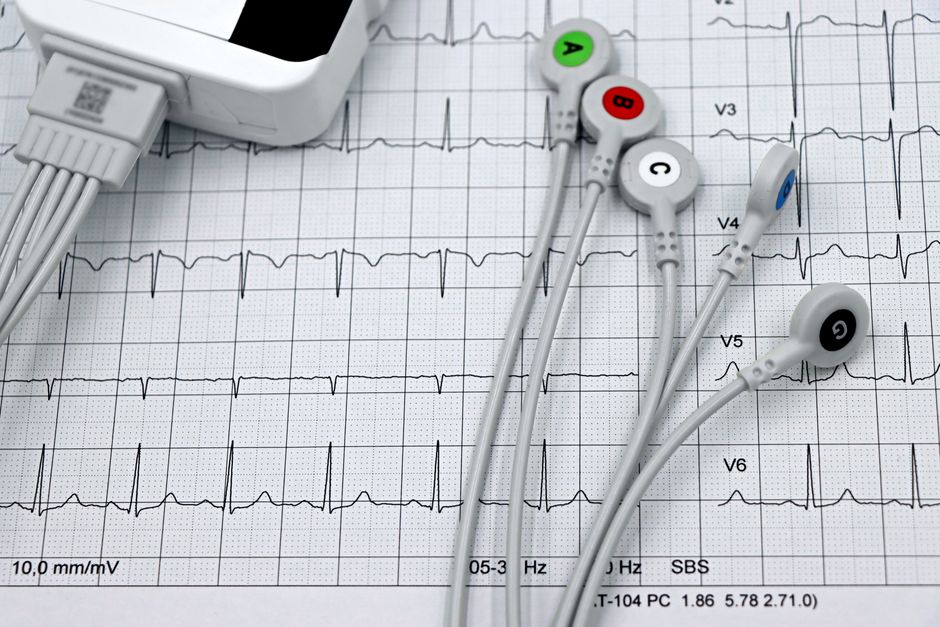
Blood tests also check how fast the blood clots. This matters if the doctor plans to give clot-busting medication. Patients on blood thinners need different evaluation. A test called an ECG checks the heart’s rhythm because an irregular rhythm called atrial fibrillation is a major cause of stroke.
How Doctors Determine the Stroke’s Cause
Once the stroke is confirmed and the patient is stable, the next question is why it happened. Finding the cause helps prevent a second stroke.
An ultrasound of the carotid arteries checks for narrowing or blockage in the neck vessels. Plaque buildup in the carotid arteries can send clots to the brain. An echocardiogram, or ultrasound of the heart, looks for blood clots in the heart chambers or problems with heart valves.
In younger patients or those without typical risk factors, doctors may look for less common causes. These include tears in the artery lining, clotting disorders, or autoimmune diseases. The diagnostic workup can take days and may require additional imaging or blood tests.
What Happens If Imaging Shows No Stroke?
Stroke mimics are conditions that produce stroke-like symptoms but are not caused by blood vessel problems. They are common. Some research suggests that up to a quarter of suspected strokes turn out to be mimics.
Common mimics include seizures, migraines with aura, severe infections, and functional neurological disorders. A brain tumor can also cause weakness or speech problems. The imaging and blood tests help doctors sort through these possibilities.
If the brain imaging is normal and symptoms have fully resolved, the diagnosis may be a transient ischemic attack, often called a TIA or mini-stroke. A TIA causes temporary stroke symptoms that last only a few minutes to an hour. It is a serious warning sign. Patients who have a TIA are at higher risk of a full stroke in the days and weeks after the event. The diagnostic workup for a TIA is the same as for a stroke.
Why Fast Diagnosis Changes Outcomes
Stroke treatment has a narrow time window. For ischemic stroke, a medication called tissue plasminogen activator, or tPA, can dissolve the clot. It must be given within 4.5 hours of when symptoms first started. Some patients with large vessel blockages may be eligible for a procedure called thrombectomy, where a catheter physically removes the clot. This procedure can be effective up to 24 hours after symptom onset in carefully selected patients.
Every minute a large vessel stroke goes untreated, an estimated 1.9 million brain cells die. This is not a fixed number for every patient, but it illustrates the urgency. The imaging tests exist to make rapid, safe treatment decisions possible.
Delays happen when people wait to see if symptoms go away or when they drive themselves to the hospital instead of calling an ambulance. Emergency medical services can alert the hospital before arrival, allowing the stroke team to be ready when the patient walks in the door.
Frequently Asked Questions
Can a CT scan miss a stroke?
Yes, a CT scan can miss an ischemic stroke in its earliest stages. An MRI is more sensitive and can detect brain tissue damage sooner.
How long does it take to diagnose a stroke?
A CT scan can be completed within minutes of arrival, and a preliminary diagnosis is often made within 15 to 30 minutes. The full workup to determine the cause may take several days.
What is the difference between a stroke and a TIA?
A TIA causes temporary stroke symptoms that resolve completely, usually within an hour. A stroke causes permanent brain damage, though symptoms may improve over time.
Do blood tests confirm a stroke?
No, blood tests alone cannot confirm a stroke. They rule out other conditions like low blood sugar and help doctors decide if clot-busting medication is safe.
