
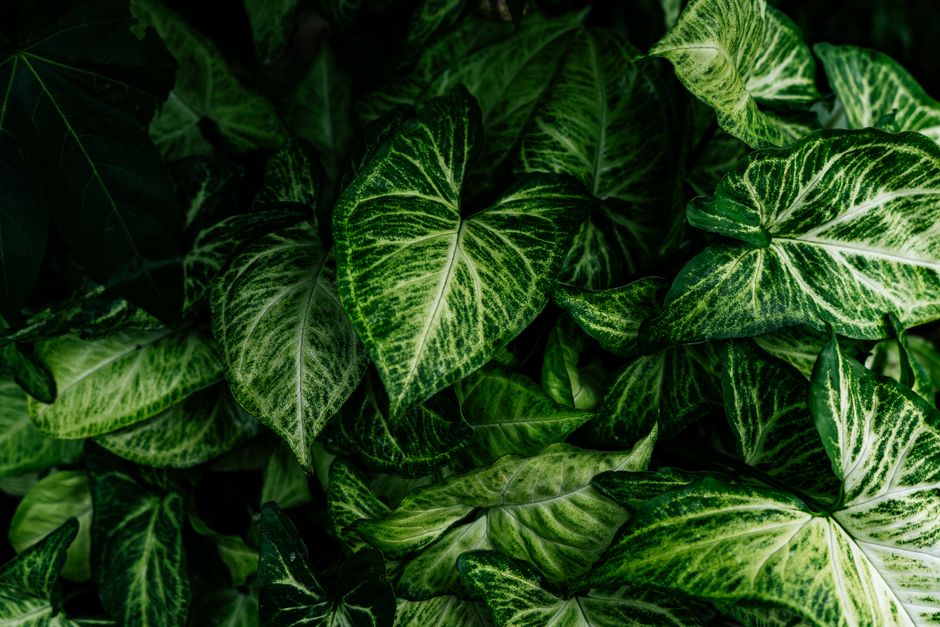
Syngonium leaf problems almost always trace back to one of five causes: watering issues, light stress, humidity, pests, or fertilizer problems. The fastest way to diagnose yours is to match the specific symptom — yellowing, browning, curling, or spots — to its most likely cause. Once you know the cause, the fix is usually a simple adjustment to how you water, where you place the plant, or how you treat the leaves.
Syngonium podophyllum, commonly called arrowhead plant or arrowhead vine, is a popular houseplant because it tolerates a range of indoor conditions. That tolerance is also why problems creep in slowly. The plant rarely dies overnight. Instead, it sends signals through its leaves for weeks before real damage sets in.
What Do Different Syngonium Leaf Symptoms Actually Mean?
Each symptom points to a specific underlying problem, and reading the pattern matters more than reacting to a single leaf.
Yellow leaves are the most common complaint. In syngoniums, yellowing usually means overwatering. When soil stays wet too long, roots lose access to oxygen and begin to rot. The plant then sacrifices older leaves first, turning them yellow before they drop. Yellowing that starts at the bottom of the plant and moves upward is a classic sign of too much water.
Brown, crispy leaf edges usually mean the opposite problem: too little moisture in the air or inconsistent watering. Dry air pulls water out of leaf tissue faster than the roots can replace it, and the edges — the thinnest part of the leaf — dry out first. Brown tips can also follow a period where the plant dried out completely and then was watered heavily.
Curling leaves often signal light or temperature stress. Leaves that curl inward and feel stiff may be getting too much direct sun. Leaves that curl and feel limp usually point to underwatering or root damage.
Brown or black spots with yellow halos are different from simple browning. These suggest a fungal or bacterial issue, often linked to water sitting on leaves or poor air circulation. Spots that spread quickly and feel soft or mushy need to be treated differently than dry, crispy edges.
Pale, washed-out new growth usually means the plant needs more light. Syngoniums grown in low light often produce smaller leaves with weaker color. Variegated varieties lose their patterning first when light is insufficient.
How Do You Tell Overwatering From Underwatering?
Overwatering and underwatering can look similar from a distance, but the soil and the pattern of damage tell them apart.
Check the soil before you check the leaves. Stick a finger about an inch into the potting mix. If it feels soggy and the pot is heavy, you are likely overwatering. If it feels bone dry and the pot is light, you are likely underwatering.
Overwatering signs:
- Yellow leaves starting from the bottom of the plant
- Soil that stays wet for more than a week
- Soft, mushy stems near the soil line
- A musty or sour smell from the potting mix
- Leaves that droop even though the soil is wet
Underwatering signs:
- Brown, crispy edges and tips
- Leaves that curl inward and feel dry
- Soil that pulls away from the sides of the pot
- Drooping that improves within hours of watering
- Slow growth with no new leaves
The key difference is what happens after you water. A drooping underwatered plant usually perks up within a day. A drooping overwatered plant gets worse, because the roots cannot take up water when they are damaged.
One detail worth knowing: root rot does not always smell or look obvious from above the soil. By the time yellowing appears, some roots may already be affected. If you suspect rot, slide the plant out of its pot and check the roots directly. Healthy roots are firm and light-colored. Rotted roots are dark, soft, and break apart easily.
How Much Light Does a Syngonium Need?
Syngoniums do best in bright, indirect light. That means a spot near a window where the plant receives plenty of daylight but no direct sun hitting the leaves.
Direct midday sun can scorch the leaves, causing bleached patches and brown, crispy spots. A south- or west-facing window without a sheer curtain is often too intense. An east-facing window or a spot a few feet back from a bright window usually works well.
Low light is a slower problem. The plant will not die quickly, but growth stalls, new leaves come in smaller, and variegated types fade toward solid green. If your syngonium is leggy with long gaps between leaves, it is reaching for light.
If natural light is limited, a standard grow light on a timer can help. The goal is steady, moderate light rather than intense bursts.




Why Are the Leaf Tips Turning Brown?
Brown tips on syngonium leaves most often come from low humidity or inconsistent watering, and sometimes both.
Indoor humidity in heated or air-conditioned homes often drops well below what a tropical plant prefers. Syngoniums are native to humid forest environments, so dry indoor air stresses them. A humidity tray, a nearby humidifier, or grouping plants together can raise the moisture level around the leaves.
Watering habits matter too. Letting the soil dry out completely and then flooding it causes uneven water movement through the plant. The tips, being farthest from the roots, suffer first. A more consistent routine — watering when the top inch of soil is dry — usually reduces tip browning over time.
Tap water is sometimes blamed for brown tips. The evidence for this in syngoniums specifically is limited. Some sensitive plants react to fluoride or salts in tap water, but for most syngoniums, humidity and watering consistency matter more. If you have ruled those out and the problem continues, trying filtered or distilled water is a reasonable next step.
What Pests Cause Syngonium Leaf Damage?
Several common houseplant pests feed on syngoniums, and each leaves a different signature on the leaves.
Spider mites are the most frequent culprit in dry indoor conditions. They cause fine, stippled yellow speckling across the leaf surface. In heavier infestations you may see thin webbing, especially where leaves meet stems. Mites thrive when humidity is low, which is why they often show up alongside brown tips.
Mealybugs appear as small, white, cotton-like clumps, usually tucked into leaf joints and along stems. They feed on plant sap and can cause yellowing and stunted growth.
Scale insects look like small brown or tan bumps stuck to stems and the undersides of leaves. They are easy to miss because they do not move once attached.
Fungus gnats are more of a nuisance than a leaf problem, but they signal consistently wet soil, which ties back to overwatering and root health.
For most of these pests, wiping leaves and treating the plant with insecticidal soap or horticultural oil, following label directions, is a common approach. Repeated treatments are usually needed because eggs and young pests survive a single application. Isolating an affected plant helps prevent spread to others.
Does Fertilizer Cause Syngonium Leaf Problems?
Fertilizer can cause leaf problems in two directions: too much or too little.
Over-fertilizing builds up salts in the soil and can burn leaf tips and edges, producing brown, crispy margins similar to low humidity. If you have been feeding frequently and see tip burn, flushing the soil with plain water and pausing fertilizer for several weeks is a standard step.
Under-fertilizing shows up as slow growth and pale leaves, especially in older plants that have been in the same soil for a long time. A balanced houseplant fertilizer at the label-recommended rate during the growing season is generally sufficient. Syngoniums do not need heavy feeding.
There is no single fertilizer schedule that fits every plant, because it depends on light, pot size, and soil. Following the product label rather than guessing is the safest approach.
When Should You Repot a Syngonium?
Repotting helps when the problem is root-related, but it is not a fix for every leaf issue.
Signs it may be time to repot:
- Roots circling the inside of the pot or growing out of drainage holes
- Soil that dries out unusually fast
- Confirmed root rot that requires trimming damaged roots
- A plant that has not been repotted in several years and shows stalled growth
When you repot, use a well-draining potting mix. Adding perlite or orchid bark improves drainage and reduces the risk of the waterlogged conditions that lead to rot. Choose a pot only slightly larger than the root ball. A pot that is too big holds excess moisture and can recreate the overwatering problem.
If you find rot, trim away the dark, mushy roots with clean scissors and repot into fresh, dry-ish mix. Hold off on watering for a few days to let any cut surfaces callous over.
Can Leaf Problems Be Reversed?
Damaged leaves do not heal. A brown tip stays brown and a yellowed leaf will not turn green again. What you can do is stop the damage from spreading and support healthy new growth.
Trim off badly damaged leaves if they bother you, but do not remove more than a small portion of the plant at once. Leaves are how the plant makes energy, so stripping too many sets it back.
Focus on the conditions that produce new leaves: consistent watering, appropriate light, reasonable humidity, and pest control. New growth that comes in healthy is the real sign your fix is working. Give it a few weeks. Plants respond on their own timeline, and syngoniums are generally forgiving once the underlying cause is corrected.
Frequently Asked Questions
Why are my syngonium leaves turning yellow?
Yellow leaves on a syngonium most often mean overwatering and the early stages of root stress. Check whether the soil stays wet for long periods and whether the pot feels heavy before assuming another cause.
Should I cut off damaged syngonium leaves?
You can remove badly damaged leaves, but avoid taking off more than a small number at once. The plant needs leaves to produce energy, so removing too many slows its recovery.
Does my syngonium need high humidity?
Syngoniums are tropical plants that do better with moderate to high humidity, and dry indoor air commonly causes brown leaf tips. Raising humidity around the plant usually reduces tip browning over time.
How do I know if my syngonium has root rot?
The clearest way is to slide the plant out of its pot and inspect the roots directly. Healthy roots are firm and light-colored, while rotted roots are dark, soft, and fall apart easily.
