
A really bad sore throat can stop you in your tracks. The pain makes it hard to swallow, talk, or even sleep. The fastest relief comes from combining proven pain relievers with simple home care that soothes the tissue. For most viral sore throats, you can feel meaningful relief within hours by using over-the-counter medication and warm salt water gargles, while the infection itself typically runs its course in about a week.
What Causes a Really Bad Sore Throat?
Sore throats are mostly caused by viruses. The common cold, flu, and even COVID-19 can inflame the pharynx, the tube that connects your mouth to your esophagus. When a virus infects the throat lining, your immune system sends blood and fluid to the area. That causes swelling, redness, and pain.
Bacterial infections are less common. Group A Streptococcus causes strep throat. It usually comes with a sudden high fever, swollen lymph nodes, and white patches on the tonsils. Unlike viral sore throats, strep requires antibiotics. Without treatment, it can lead to rheumatic fever, which can damage the heart.
Other causes include allergies, dry air, acid reflux, and vocal strain. If you wake up with a sore throat every morning, reflux or mouth breathing during sleep may be the culprit. If your throat hurts mostly after talking for hours, that is strain, not infection.
How To Get Rid Of A Really Bad Sore Throat Fast
The fastest way to reduce pain is a combination of medication and home care. Start with an over-the-counter pain reliever like ibuprofen or acetaminophen. These reduce inflammation and block pain signals. Follow the dosing instructions on the package exactly. Do not take more than recommended.
Gargling with warm salt water provides quick, local relief. Mix half a teaspoon of salt into a full glass of warm water. Gargle for a few seconds and spit it out. The salt draws fluid out of swollen throat tissue, which reduces inflammation. Some research suggests this works as well as some over-the-counter throat sprays.
Stay hydrated. Warm liquids like tea with honey coat the throat and ease discomfort. Cold liquids and ice chips can numb the pain. Both work; pick whatever feels better to you. Honey has natural antibacterial properties and is a proven cough and sore throat soother for adults. Do not give honey to children under one year old due to the risk of infant botulism.
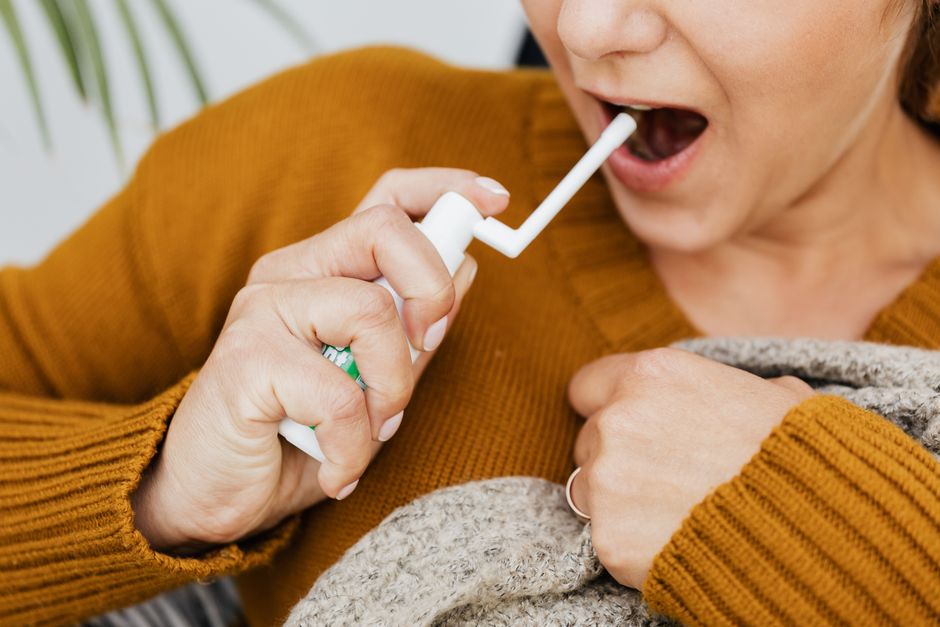
Throat lozenges and sprays can help. Look for lozenges containing benzocaine or menthol. These are local anesthetics that numb the throat briefly. Hard candy works too because it increases saliva production, which keeps the throat moist. Sucking on anything sweet can help, but medicated lozenges work faster.
Does Salt Water Gargling Actually Work?
Yes. Salt water gargling is one of the most studied home remedies for sore throats. The mechanism is straightforward. The throat tissue becomes swollen because fluid leaks from blood vessels into the tissue during inflammation. Salt creates a higher concentration of particles outside the cells, which pulls some of that excess fluid back out. This reduces swelling and pain.
Some clinical trials have compared salt water gargles to commercial mouthwashes and throat sprays. Results show salt water is at least as effective for pain relief. It also helps wash away mucus and irritants from the back of the throat.
Gargle every three to four hours while symptoms are severe. You can start to feel relief after the first gargle, but the effect builds with repetition. Do not swallow the salt water. It is not harmful in small amounts, but it can upset your stomach.





When To See A Doctor For A Sore Throat
Most sore throats get better on their own within five to seven days. But some need medical attention. See a doctor if you have a fever above 101°F, difficulty breathing, or trouble swallowing saliva. These can be signs of a more serious infection.
Strep throat needs a specific test and antibiotic treatment. Signs that point to strep include a sore throat that comes on suddenly, a fever, and swollen tonsils with white patches. You may also have tiny red spots on the roof of your mouth. If you have these symptoms, see a doctor for a rapid strep test.
A sore throat that lasts more than a week without improving deserves a medical check. So does a sore throat accompanied by a lump in the neck, hoarseness lasting more than two weeks, or blood in your saliva. These are less common but should not be ignored.
If you have been exposed to someone with strep and develop a sore throat, get tested. Strep is highly contagious and spreads through respiratory droplets. Early treatment shortens the contagious period and reduces complications.
Home Remedies That Actually Help
Several home remedies have real evidence behind them. Others are popular but lack support. Here is what the research shows:
- Honey: Studies show honey reduces nighttime cough and improves sleep quality in people with upper respiratory infections. Take a spoonful straight or stir it into warm tea.
- Warm liquids: Broth, tea, and warm water increase saliva flow and soothe irritated tissue. They also keep you hydrated, which helps your immune system work.
- Humidifier: Dry air irritates an already inflamed throat. Adding moisture to the air you breathe can reduce pain, especially overnight.
- Steam: Breathing steam from a hot shower or a bowl of hot water adds moisture to your airways. This can loosen mucus and ease throat discomfort.
- Rest: Your immune system needs energy to fight the infection. Pushing through a bad sore throat can prolong your illness.
Avoid alcohol-based mouthwashes. They can dry out and further irritate already inflamed tissue. Also avoid smoking and secondhand smoke, which worsen throat irritation and slow healing.
What Does Not Work For A Sore Throat
Some popular remedies do not hold up to scrutiny. Apple cider vinegar is often promoted as a cure, but no clinical evidence supports this. It is acidic and can burn an already raw throat. If you dilute it and still want to try it, the benefit is unproven.
Essential oils like tea tree or eucalyptus are sometimes recommended for sore throats. Tea tree oil is toxic if swallowed. Eucalyptus oil can cause breathing problems in some people. Do not ingest essential oils.
Vitamin C and zinc are commonly taken at the first sign of a cold. Evidence shows they may shorten a cold by a small amount if started early. They do not specifically treat a sore throat that is already severe.
Antibiotics do not work for viral sore throats. Taking them when you do not need them contributes to antibiotic resistance. Only take antibiotics if a doctor confirms you have a bacterial infection.
What To Eat And Drink With A Severe Sore Throat
Soft, cool foods are easiest to swallow. Yogurt, pudding, applesauce, and smoothies go down without much friction. Ice cream and frozen yogurt are fine too. The cold temperature can temporarily numb the throat.
Warm soups and broths are good choices. They provide fluids and nutrition without requiring much chewing. Avoid crunchy, spicy, or acidic foods. Chips, crackers, citrus fruits, and tomato-based foods can sting an inflamed throat.
Stay away from very hot beverages. They can scald an already sensitive throat and make swelling worse. Let tea and soup cool to a comfortable temperature before sipping.
Frequently Asked Questions
How long does a really bad sore throat last?
Viral sore throats usually last five to seven days. If pain is severe or lasts longer than a week, see a doctor to rule out strep or another cause.
Is gargling with salt water better than throat spray?
Both work, and some studies show salt water is as effective as commercial sprays. Salt water reduces swelling while sprays numb the area temporarily.
Can I take ibuprofen and acetaminophen together for a sore throat?
Yes, they work through different pathways and can be alternated or combined under a doctor’s guidance. Never exceed the maximum daily dose of either medication.
When should I go to urgent care for a sore throat?
Go if you have a fever above 101°F, difficulty breathing, or cannot swallow liquids. These can signal a serious infection requiring medical treatment.
