
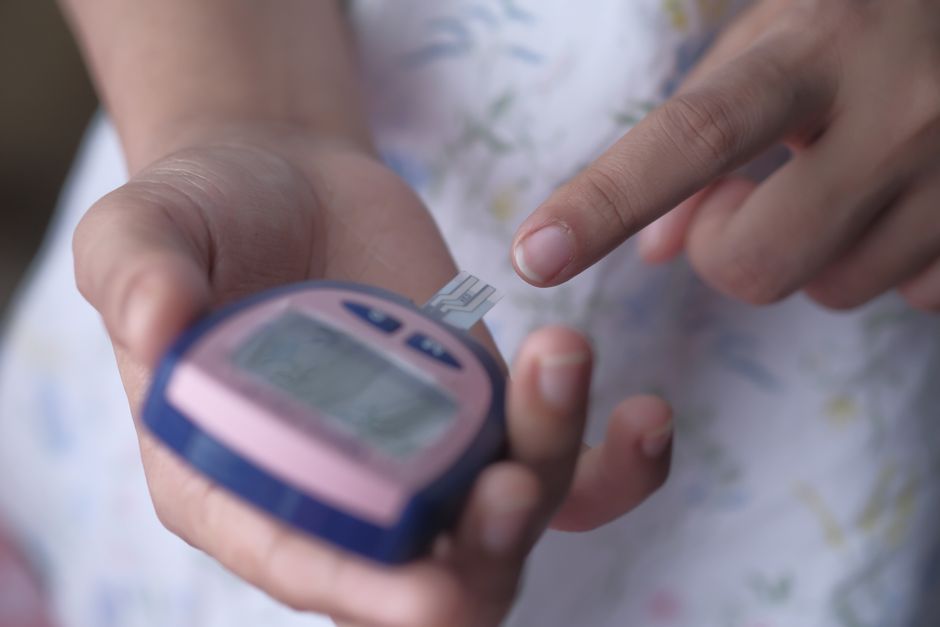
A glucose monitor is a small device that measures the amount of sugar (glucose) in your blood. It gives you a number that tells you whether your blood sugar is low, normal, or high at that exact moment. This information helps people with diabetes make daily decisions about food, exercise, and medication.
There are two main types of glucose monitors. The traditional type uses a drop of blood from a finger prick. The newer type, called a continuous glucose monitor (CGM), uses a tiny sensor placed under the skin to check glucose levels automatically throughout the day and night. Both types serve the same purpose: turning a biological measurement into a number you can act on.
What Does A Glucose Monitor Do And How It Works
A glucose monitor measures the concentration of glucose in your blood. For people with diabetes, this measurement is essential because their bodies cannot regulate blood sugar normally. Without monitoring, they would have no reliable way to know if their blood sugar is dangerously high or low.
Traditional monitors work by analyzing a small drop of blood. You prick your finger with a small lancet, touch the blood to a test strip, and insert the strip into the meter. The strip contains an enzyme called glucose oxidase. When blood touches the strip, a chemical reaction produces a small electrical current. The meter measures this current and converts it into a glucose reading. The whole process takes about five seconds.
Continuous glucose monitors work differently. A tiny filament is inserted just beneath the skin, usually on the abdomen or arm. This filament measures glucose in the fluid between your cells, called interstitial fluid. The sensor sends readings to a receiver or smartphone app every few minutes. Most CGMs still require occasional finger-stick calibrations, though some newer models do not.
The key difference is timing. A finger-stick gives you a snapshot of your blood sugar at one moment. A CGM gives you a continuous stream of data, showing trends. You can see whether your glucose is rising after a meal, falling during exercise, or dropping dangerously low while you sleep.
Why Blood Sugar Monitoring Matters
Blood sugar control is central to diabetes management. When blood glucose stays too high for long periods, it damages blood vessels and nerves. This damage can lead to kidney disease, vision loss, nerve pain, and cardiovascular problems. When blood glucose drops too low, it can cause confusion, shakiness, loss of consciousness, and in severe cases, seizures.
Monitoring helps prevent both problems. It tells you when your glucose is trending toward a dangerous level so you can act before symptoms appear. For people taking insulin, monitoring is not optional. Insulin dosing depends on knowing your current blood sugar level. Guessing can lead to serious harm.
For people with type 2 diabetes who do not take insulin, monitoring is still valuable. It shows how food choices and physical activity affect blood sugar. Many people find that seeing their numbers in real time helps them stick to healthier habits. Some research suggests that self-monitoring improves glycemic control in type 2 diabetes, though the effect is modest.
Who Should Use a Glucose Monitor
People with type 1 diabetes must monitor their blood sugar multiple times daily. Their bodies produce no insulin at all, so they depend on external insulin and careful glucose tracking to survive. For them, a CGM is often life-changing because it catches dangerous nighttime lows that finger-sticks miss.
People with type 2 diabetes who take insulin also need regular monitoring. The frequency depends on their insulin regimen and how stable their blood sugar is. Those on multiple daily injections typically check more often than those on a single daily dose.
People with type 2 diabetes managed by oral medications or lifestyle changes may need less frequent monitoring. Some check a few times a week. Others check only occasionally to confirm their treatment is working. The right frequency depends on individual circumstances and should be discussed with a healthcare provider.
Pregnant women with gestational diabetes usually monitor blood sugar several times daily. Tight control during pregnancy reduces risks to both mother and baby. Doctors typically provide specific target ranges and testing schedules for this group.
A glucose monitor is not a weight loss tool. Some commercial brands market glucose monitors to people without diabetes as a way to optimize diet and fitness. The evidence that this improves health outcomes in people without diabetes is limited. If you do not have diabetes, a normal body will regulate your blood sugar within a healthy range regardless of what you eat. Monitoring may be interesting, but no clinical evidence currently confirms that it improves long-term health in this population.
Understanding Your Glucose Numbers
Glucose readings are measured in milligrams per deciliter (mg/dL) in the United States. For people without diabetes, a normal fasting blood sugar is between 70 and 99 mg/dL. Two hours after eating, blood sugar typically stays below 140 mg/dL.
For people with diabetes, target ranges vary. The American Diabetes Association generally recommends a fasting glucose between 80 and 130 mg/dL and a post-meal glucose below 180 mg/dL. However, individual targets depend on age, other health conditions, and how long someone has had diabetes. An older adult with heart disease may have more relaxed targets than a young adult with newly diagnosed type 1 diabetes.
Hypoglycemia is generally defined as blood sugar below 70 mg/dL. This is the threshold where symptoms like shakiness, sweating, and confusion typically begin. Severe hypoglycemia below 54 mg/dL requires immediate treatment. Hyperglycemia is generally defined as blood sugar above 180 mg/dL, though the exact threshold varies by individual.
| Category | Glucose Range (mg/dL) | Typical Context |
|---|---|---|
| Normal fasting | 70–99 | No diabetes |
| Prediabetes fasting | 100–125 | Impaired fasting glucose |
| Diabetes fasting | 126 or higher | Diagnostic threshold |
| Hypoglycemia | Below 70 | Requires treatment |
| Post-meal target | Below 180 | For most people with diabetes |
How to Get Accurate Readings
Finger-stick monitors are accurate when used correctly, but small errors can happen. Wash your hands with soap and water before testing. Food residue on your fingers can contaminate the blood sample and produce a falsely high reading. Hand sanitizer can also interfere with some test strips, so rinse and dry your hands thoroughly.
Use a fresh lancet each time. Lancets are single-use for a reason. A dull lancet makes a larger wound and causes more pain. It also increases the risk of infection. Test strips have expiration dates for a reason. Expired strips can give inaccurate results because the enzymes degrade over time.
Store strips in their original container with the lid tightly closed. Heat, humidity, and air exposure damage the chemicals in the strips. Do not use strips from a bottle that has been open for longer than the manufacturer recommends, typically three months.
CGMs require less daily maintenance but have their own accuracy considerations. Sensor readings can lag behind actual blood glucose by several minutes, especially when glucose is changing rapidly. This matters most during exercise or after meals. If a CGM reading seems wrong, confirm it with a finger-stick before making a treatment decision.
Choosing Between Finger-Stick and Continuous Monitoring
Cost is a major factor. Finger-stick meters are inexpensive, and test strips are widely covered by insurance. CGMs are more expensive, though many insurance plans now cover them for people with diabetes who meet certain criteria. Medicare covers CGMs for people with diabetes who use insulin and check their blood sugar at least four times daily.
Lifestyle matters too. If you have unpredictable schedules, travel frequently, or have trouble remembering to test, a CGM may fit better. If you prefer minimal equipment and do not want a sensor on your body, a traditional meter is simpler. Some people use both, relying on a CGM for trend data and a finger-stick for confirmation before critical decisions.
Some newer finger-stick meters connect to smartphone apps and store your readings automatically. This can help you spot patterns over time. Many CGMs also generate reports showing how much time you spend in your target glucose range, which clinicians find useful for adjusting treatment.
Limitations and Common Misconceptions
No glucose monitor is perfectly accurate. The FDA requires glucose meters to be within 15 percent of laboratory values 95 percent of the time. This means a reading of 100 mg/dL could actually be between 85 and 115 mg/dL. For most daily decisions, this level of accuracy is sufficient. For critical decisions like insulin dosing, it is generally acceptable but worth understanding.
Some people believe that checking blood sugar more often automatically improves control. It does not. Monitoring only helps if you act on the information. Checking your glucose and ignoring the result provides no benefit. The value comes from using the number to adjust your behavior.
Another misconception is that glucose monitors can diagnose diabetes. They cannot. Diagnosis requires laboratory blood tests, typically a fasting plasma glucose test or an A1C test. Home monitors are management tools, not diagnostic tools.
Finally, CGMs do not measure blood glucose directly. They measure interstitial fluid glucose, which correlates closely with blood glucose but is not identical. During rapid changes, the two can diverge. This is why the FDA requires CGM users to confirm readings with a finger-stick before making treatment decisions, especially for hypoglycemia.
Frequently Asked Questions
How often should I check my blood sugar?
People with type 1 diabetes typically check 4 to 10 times daily, while those with type 2 diabetes on insulin may check 2 to 4 times daily. Your doctor will give you a specific schedule based on your medication and glucose control.
Does a glucose monitor hurt?
Finger-sticks cause a brief pinch, and CGM sensors cause mild discomfort during insertion that fades quickly. Most people adjust to the routine within a few days.
Can I use a glucose monitor without diabetes?
Yes, you can buy one without a prescription, but no clinical evidence currently confirms that monitoring blood sugar improves health in people without diabetes. A healthy body regulates glucose automatically.
What is a normal blood sugar reading?
For people without diabetes, a normal fasting reading is between 70 and 99 mg/dL. For people with diabetes, target ranges vary by individual and should be set by a healthcare provider.
