
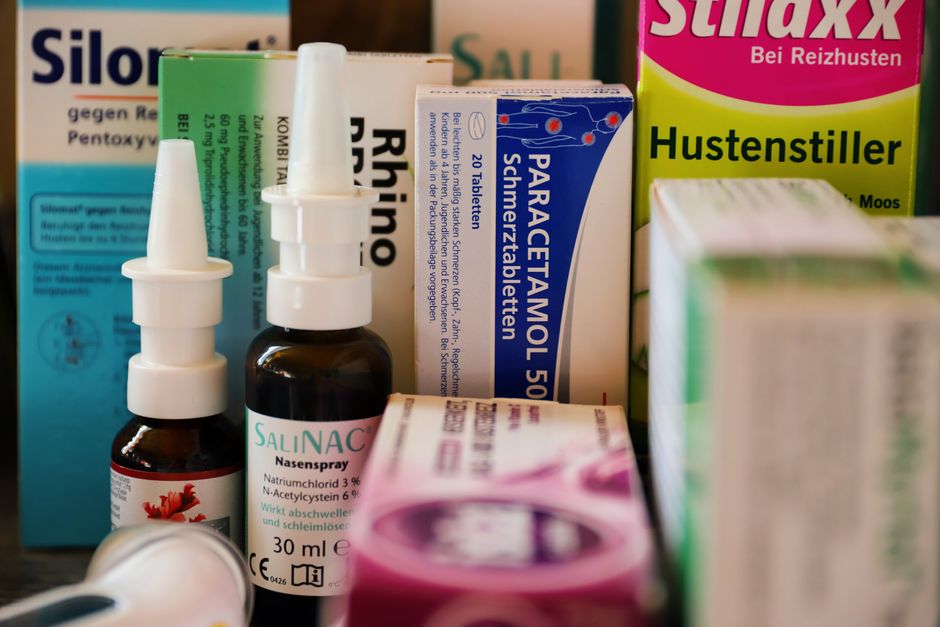
A stuffy nose feels like it will never end, but the most effective natural approach is surprisingly simple: keep the nasal passages moist and clear the mucus that is causing the blockage. Saline rinses, steam, and staying well hydrated are the methods most consistently supported by evidence. Decongestant pills and sprays can help short-term, but they come with rebound risks that natural methods avoid.
Why Does Your Nose Get Stuffed Up?
Nasal congestion is not usually caused by excess mucus alone. The primary driver is swollen blood vessels in the lining of your nose.
The nasal passages are lined with tissue that contains a dense network of blood vessels. When you encounter a trigger — a cold virus, an allergen like pollen or dust, cold air, or irritants like smoke — those vessels widen. The tissue swells. The airway narrows. That swelling is what you feel as a blocked nose, even when there is not much mucus present.
This distinction matters because it explains why different remedies work differently. Some address swelling. Others address mucus. The most effective natural approach often does both.
Common triggers include:
- Viral infections such as the common cold
- Allergic rhinitis (hay fever)
- Dry air, especially in heated indoor spaces
- Cold temperatures
- Airborne irritants like smoke, perfume, or cleaning fumes
- Hormonal changes, including pregnancy
Understanding which trigger is driving your congestion helps you choose the right approach. A cold and allergies both cause swelling, but allergies also produce histamine, which responds to different strategies.
Does A Saline Nasal Rinse Actually Work?
Yes. Saline nasal rinses are one of the most well-supported methods for relieving nasal congestion.
Saline — a mixture of salt and water — works by thinning mucus and flushing out irritants, allergens, and infectious particles from the nasal passages. It also helps moisturize dry, irritated tissue. Unlike medicated decongestant sprays, saline does not cause rebound congestion, so it can be used as often as needed.
You can buy saline sprays and rinse kits at most pharmacies, or make your own saline solution at home.
If you make your own, water safety is critical. Tap water is not safe for nasal rinsing unless it has been boiled and cooled, distilled, or passed through a filter with a pore size of 1 micron or smaller. Unfiltered tap water can contain organisms that cause serious infections when introduced into the nasal passages. This is not a theoretical concern — cases of serious infection from tap water nasal rinsing have been documented.
To make a saline solution at home, the standard recipe is:
- 1 cup (8 ounces) of distilled, sterile, or previously boiled and cooled water
- 1/2 teaspoon of non-iodized salt (canning or pickling salt works well)
- 1/4 teaspoon of baking soda (optional, helps buffer the solution)
Use a bulb syringe, squeeze bottle, or neti pot. Rinse each nostril gently. Clean the device thoroughly after each use and let it air dry.
Research on saline irrigation consistently shows it reduces congestion and improves breathing. Some studies suggest it may reduce the need for medication in people with allergic rhinitis. It is generally well tolerated, though some people experience mild irritation or a burning sensation, especially if the salt concentration is too high.
Can Steam And Humidity Clear A Blocked Nose?
Steam and humidity can provide real relief, though the evidence is more modest than for saline rinses.
Breathing in moist air helps thin mucus and soothe irritated nasal tissue. A warm shower, a bowl of hot water with a towel over your head, or a room humidifier can all help. The relief tends to be temporary, but for many people it makes breathing easier for a while.
Some studies on steam inhalation have shown mixed results. One analysis found that steam inhalation did not significantly reduce congestion compared to no treatment in people with colds. However, many people report subjective relief, and there is no harm in trying it.
If you use a humidifier, keep it clean. Dirty humidifiers can spread mold and bacteria into the air, which can make congestion worse. Aim for indoor humidity between 30% and 50%. Higher levels encourage dust mites and mold growth.
Dry air is a common and underrecognized cause of chronic nasal stuffiness, particularly in winter when indoor heating strips moisture from the air. If your nose is consistently stuffy in cold months, a humidifier in your bedroom may help more than any medication.





What About Over-The-Counter Decongestants?
Oral decongestants like pseudoephedrine and phenylephrine can reduce swelling, but they come with important limitations.
Pseudoephedrine is generally effective at shrinking swollen nasal tissue. It is available behind the pharmacy counter because it can be used to make methamphetamine. It can raise blood pressure, cause insomnia, and should be avoided by people with uncontrolled hypertension, heart disease, or hyperthyroidism.
Phenylephrine, the oral version sold on shelves, has been questioned by recent research. An FDA advisory panel concluded in 2023 that oral phenylephrine is not effective as a nasal decongestant. The FDA has proposed removing it from the market as an oral ingredient, though the final rule is still in process. Nasal sprays containing phenylephrine are not affected by this ruling and may still provide some relief.
Decongestant nasal sprays like oxymetazoline work quickly and effectively, but they should not be used for more than three consecutive days. Using them longer can cause rebound congestion — a cycle where the nose becomes more stuffed when the spray wears off, leading to more use. This condition, called rhinitis medicamentosa, can be difficult to break.
If you have been using a decongestant spray for more than a few days and your nose feels worse without it, talk to a doctor. Stopping the spray is the solution, but the process can be uncomfortable and may require a gradual approach.
Do Natural Remedies Like Honey, Ginger, Or Eucalyptus Work?
Some natural remedies have modest evidence. Others have almost none. It helps to know the difference.
Honey has been studied for cough relief, not nasal congestion specifically. Some research suggests it can soothe sore throats and reduce coughing, particularly in children over age one. It is not a decongestant. Never give honey to infants under 12 months due to the risk of botulism.
Eucalyptus oil contains a compound called eucalyptol that may help thin mucus and create a cooling sensation that makes breathing feel easier. Some studies show mild benefit when used in steam inhalation or applied to the chest. It should not be applied directly inside the nostrils or taken orally. Keep it away from the faces of infants and young children.
Ginger is often recommended in tea form. There is no strong evidence that ginger decongests the nose. It may help with nausea and has anti-inflammatory properties, but its effect on nasal tissue is not well established.
Spicy foods like chili peppers contain capsaicin, which can temporarily thin mucus and cause a runny nose. This can provide short-term relief, but it does not treat the underlying swelling.
Apple cider vinegar has no evidence supporting its use for nasal congestion. It should not be snorted or applied inside the nose.
Essential oil diffusers may make a room smell pleasant and some people find the scent soothing, but there is no reliable evidence that diffusing oils clears nasal congestion. Some oils can irritate airways, especially in people with asthma.
When Should You See A Doctor For Nasal Congestion?
Most nasal congestion from a cold clears within a week to ten days. Allergic congestion may last as long as the allergen is present. But some situations need medical attention.
See a doctor if:
- Congestion lasts more than 10 days without improvement
- You have a fever above 101°F (38.3°C) that lasts more than a few days
- You have facial pain or pressure, especially around the eyes or forehead
- You notice thick, discolored nasal discharge along with fever and facial pain — this may indicate a sinus infection
- You have difficulty breathing or wheezing
- Congestion is only on one side and does not improve
- You have vision changes, severe headache, or swelling around the eyes
Chronic nasal congestion that lasts weeks or months may have an underlying cause such as allergies, structural issues like a deviated septum, nasal polyps, or chronic sinusitis. These conditions often require evaluation and sometimes treatment beyond what natural remedies can address.
If you are pregnant, many over-the-counter decongestants are not recommended. Saline rinses and steam are generally considered safe during pregnancy, but check with your doctor before using any medication.
What Actually Helps Most?
If you want the most reliable natural approach, start with saline rinses. They are safe, inexpensive, and supported by consistent evidence. Add steam or a humidifier if dry air is a factor. Drink enough water to keep mucus thin. Rest.
For allergies, reducing exposure to the allergen is the most effective step. That may mean keeping windows closed during high pollen days, using allergen-proof bedding covers, or running a HEPA air purifier. Antihistamines and nasal steroid sprays are standard treatments for allergic rhinitis and work well, though they are not “natural” remedies.
If you choose to use a decongestant spray, limit it to three days. If you need something longer-term, talk to a doctor about other options.
The honest takeaway: natural methods work best for mild to moderate congestion, especially when caused by colds, dry air, or mild allergies. They are less likely to resolve congestion from structural issues or chronic sinusitis. And no natural remedy replaces medical care when symptoms are severe, persistent, or accompanied by signs of infection.
Frequently Asked Questions
How do you decongest your nose naturally fast?
A saline nasal rinse is the fastest natural option because it physically clears mucus and irritants. Steam inhalation or a warm shower can also provide quick, temporary relief.
Does drinking more water help a stuffy nose?
Staying hydrated helps keep mucus thin, which may make it easier to clear. It will not eliminate congestion caused by swelling, but it supports the other methods you are using.
Can I use a neti pot every day?
Yes, daily use is generally considered safe when you use distilled, sterile, or properly boiled and cooled water. Clean the device after every use to prevent bacterial growth.
What is the fastest way to unblock a nose at night?
Use a saline rinse before bed and run a cool-mist humidifier in your bedroom. Sleeping with your head slightly elevated may also help drainage.
