
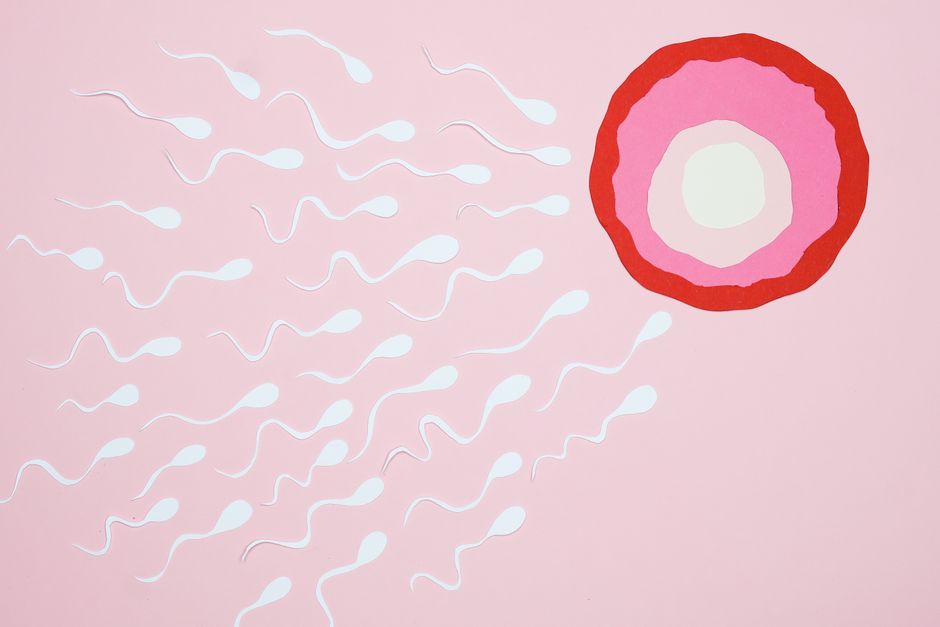
Sperm count is not fixed. The body makes new sperm continuously, roughly every 60 to 90 days, which means recent habits, health, and exposures can show up in a semen analysis. The steps with the strongest evidence behind them are straightforward: stop smoking, limit alcohol, avoid excessive heat to the testicles, maintain a healthy weight, treat underlying infections or hormone problems, and eat a diet rich in antioxidants. Supplements and timing tricks get most of the attention online, but most of them have far weaker evidence than these basics.
How To Naturally Increase Sperm Count What Works?
No single habit raises sperm count on its own. The strongest evidence points to removing things that suppress sperm production and correcting health problems that interfere with it. Sperm concentration is measured in millions of sperm per milliliter of semen. A count below 15 million per milliliter is considered low by the World Health Organization reference values, though fertility depends on several factors beyond count alone, including sperm shape and movement.
Because sperm take about two to three months to mature, changes you make today may not show up in a semen analysis for roughly 60 to 90 days. That timeline matters if you are planning a pregnancy or tracking whether a change is working.
What actually suppresses sperm production
Several factors have consistent evidence behind them:
- Smoking — associated with lower sperm count, poorer sperm movement, and more abnormally shaped sperm. This is one of the most consistent findings in the research.
- Heavy alcohol use — linked to reduced sperm production and altered hormone levels.
- Excess heat — the testicles sit outside the body because sperm production works best a few degrees below core body temperature. Frequent hot tubs, saunas, or prolonged laptop use directly on the lap can raise scrotal temperature.
- Obesity — excess body fat is linked to hormonal changes that can lower sperm production.
- Untreated infections — some sexually transmitted infections and other genital infections can affect sperm if left untreated.
These are associations, not guarantees. Not every smoker has a low count, and not every low count has an obvious cause. But the pattern across studies is consistent enough that most clinicians address these first.
Which Supplements Have Evidence And Which Do Not?
This is where the gap between marketing and evidence is widest. Many products sold for sperm health have little or no human trial data behind them.
Antioxidants have the most research attention. Sperm are vulnerable to oxidative stress, a form of cellular damage, and some studies suggest antioxidant supplements may improve certain sperm parameters in men with infertility. The evidence is mixed and results vary by supplement, dose, and population. Zinc and folate have been studied, as have coenzyme Q10, selenium, and vitamin C and E. Findings are not consistent enough to call any of them a reliable fix.
What the evidence does not support:
- No large human trials confirm that most “male fertility” supplement blends raise sperm count in men with normal levels.
- Testosterone boosters marketed online have not been shown to improve sperm count. Some can actually suppress sperm production by disrupting the body’s own hormone signaling.
- Herbal products are not required to prove effectiveness before sale, so claims on the label often outrun the science.
If you are considering a supplement, the honest position is that the evidence is limited. Talk to a doctor, especially before starting anything that claims to raise testosterone.
Does Diet And Weight Really Matter?
Diet appears to play a supporting role rather than a decisive one. Research published in the journal Human Reproduction and other fertility journals has linked certain dietary patterns to sperm quality, though this is observational data, meaning it shows associations rather than cause and effect.
Patterns that show up favorably in studies include diets rich in vegetables, fruits, whole grains, fish, and healthy fats. Diets high in processed meats, refined sugars, and trans fats tend to show up less favorably. This mirrors general cardiovascular health advice, which is not a coincidence — blood flow and metabolic health affect reproductive function too.
Weight matters through hormones. Excess body fat can shift the balance of estrogen and testosterone, and that shift can suppress sperm production. Losing weight through diet and activity has been associated with improved sperm parameters in some studies, though the effect size varies and results are not uniform.





Can Lifestyle Changes Alone Fix A Low Count?
Sometimes, but not always. This is where honesty matters more than encouragement. Lifestyle changes can improve sperm parameters in some men, particularly when a clear reversible factor is present — smoking, heavy drinking, obesity, or frequent heat exposure. In other cases, the cause is genetic, hormonal, structural, or unknown, and lifestyle changes alone will not correct it.
About a third of infertility cases involve a male factor, and in many of those the underlying cause is never fully identified. That does not mean nothing can be done. It means the answer is not always a habit you can change at home.
A semen analysis is the only way to know where you actually stand. Guessing based on how you feel or what you read online is not reliable. If a count is low, a doctor can look for treatable causes such as hormone imbalances, varicocele — enlarged veins in the scrotum — or infections.
What About Heat, Tight Clothing, And Laptops?
Heat exposure is one of the more concrete factors because the mechanism is well understood. Sperm production is temperature-sensitive. The scrotum sits outside the body specifically to keep the testicles cooler than the core.
Frequent saunas, hot tubs, and long baths can raise scrotal temperature enough to affect sperm production temporarily. The effect is usually reversible once exposure stops, but it can take a full sperm cycle, roughly two to three months, to recover. Laptop use directly on the lap and tight clothing have been studied less consistently. Some research suggests a modest effect on scrotal temperature, but the link to measurable changes in sperm count is weaker.
Practical takeaway: if you are trying to conceive, it is reasonable to limit prolonged heat exposure to the testicles. The evidence for this is stronger than the evidence for most supplements.
When Should You See A Doctor?
See a doctor if you and your partner have been trying to conceive for a year without success, or after six months if your partner is over 35. Seek evaluation sooner if you have a known history of testicular injury, cancer treatment, hormone problems, or genital surgery.
Signs that warrant a prompt visit include:
- A lump, swelling, or pain in the testicles
- Loss of facial or body hair, or other signs of low testosterone
- Previous chemotherapy or radiation treatment
- A partner who has also been evaluated for fertility
Male fertility is evaluated with a semen analysis, a physical exam, and sometimes blood tests for hormones. Treatment depends on the cause. Some causes are correctable with medication or surgery. Others are managed with assisted reproductive techniques.
One point worth stating plainly: fertility is a couple’s issue, not one person’s. Evaluating both partners at the same time is standard practice and often saves months of uncertainty.
What Does Not Work
Several popular ideas have little or no evidence behind them.
- Abstaining for long periods to “build up” sperm — this can actually reduce sperm quality. Longer abstinence is associated with more sperm DNA damage, not better results.
- Testosterone supplements — these can suppress sperm production rather than improve it.
- Most detoxes and cleanses — no clinical evidence supports these for sperm health.
- Switching to boxers alone — the effect on sperm count is small and inconsistent in studies.
The pattern here is that the interventions with the loudest marketing tend to have the thinnest evidence, while the unglamorous basics — not smoking, moderating alcohol, managing weight, avoiding excess heat — have the most.
Frequently Asked Questions
How long does it take to increase sperm count naturally?
Sperm take roughly 60 to 90 days to mature, so changes in habits may not show up in a semen analysis for about two to three months. Improvement is not guaranteed and depends on the cause of a low count.
Do supplements really increase sperm count?
Some antioxidants have shown modest effects on sperm parameters in studies of men with infertility, but results are mixed and no supplement is a reliable fix. No large human trials confirm that most fertility supplement blends raise count in men with normal levels.
Can tight underwear or hot baths lower sperm count?
Frequent heat exposure such as hot tubs and saunas can raise scrotal temperature and temporarily affect sperm production. The effect on count from tight underwear alone is small and inconsistent in studies.
When should I see a doctor about low sperm count?
See a doctor after a year of trying to conceive without success, or after six months if your partner is over 35. Seek care sooner if you have testicular pain, swelling, or a history of hormone or cancer treatment.
