
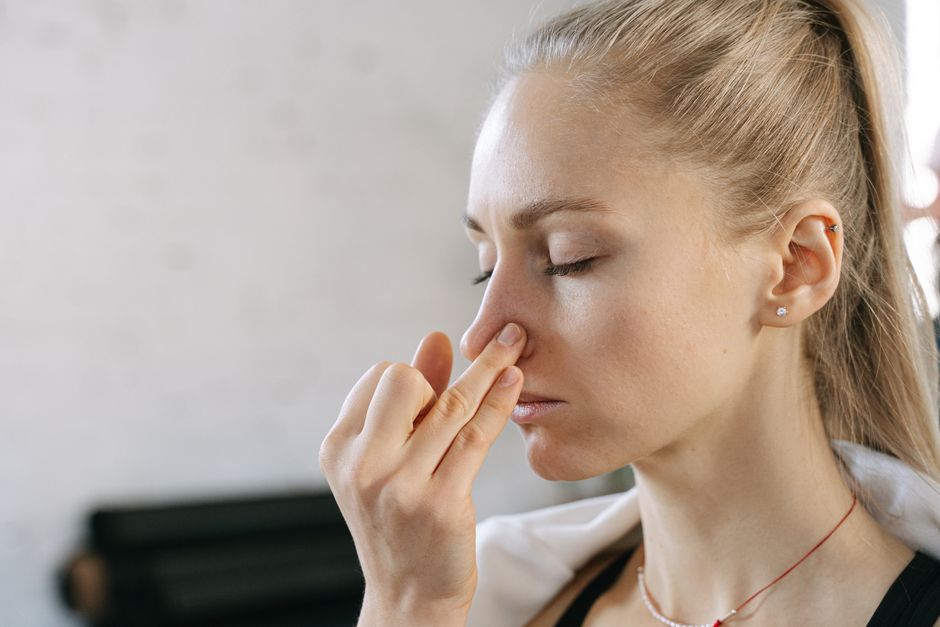
Your nose feels dry because the thin layer of mucus that normally coats the inside of your nasal passages has thinned out, dried up, or stopped being replaced fast enough. That lining is mostly water, and it depends on steady airflow, humidity, and healthy glands to stay moist. When any of those change, the tissue underneath is exposed to air, which leads to crusting, stinging, and sometimes small amounts of blood.
Dry nose is common and usually not a sign of anything serious. It is often a response to the environment around you, a medication you take, or simply getting older. Most cases improve with simple changes at home. A few causes need a doctor’s attention, and it helps to know which is which.
Why Is My Nose So Dry? Causes And Relief Tips
The nose has a specific job: warm, filter, and moisten the air you breathe before it reaches your lungs. It does this with a lining called the nasal mucosa. This lining is covered in a thin layer of mucus and tiny hair-like structures called cilia that sweep debris and moisture along the surface.
When the mucosa dries out, that system slows down. Mucus gets thick and sticky instead of thin and flowing. Cilia do not move as well. The result is the dry, crusty, sometimes cracked feeling you notice.
Several things can trigger this:
- Low humidity, especially in heated homes during winter or in air-conditioned rooms
- Cold, dry outdoor air
- Medications, particularly antihistamines and decongestant nasal sprays
- Dry eye and dry mouth conditions that also affect the nose
- Getting older, since mucus production tends to decline with age
- Frequent nose blowing or picking, which irritates the lining
- Medical conditions like Sjögren’s syndrome or sarcoidosis
Most of these share one theme: something is removing moisture faster than your nose can replace it.
What Causes a Dry Nose Besides Dry Air?
Dry air is the most common reason, but it is not the only one. Medications are a major and often overlooked cause. Antihistamines work by blocking histamine, and histamine is part of what drives mucus and fluid production. That is why allergy pills can leave your nose, mouth, and eyes feeling dry.
Decongestant nasal sprays are a separate issue. Used for more than a few days in a row, they can cause a rebound effect where the nose becomes more congested and irritated, not less. This is called rhinitis medicamentosa, and the irritation can feel like dryness and burning.
Some medical conditions also dry out the nose. Sjögren’s syndrome is an autoimmune condition that attacks moisture-producing glands throughout the body, affecting the eyes, mouth, and nose together. Sarcoidosis can cause inflammation in the nasal lining. Both are uncommon, but they matter because treating the underlying condition is what helps.
Hormonal changes can play a role too. Pregnancy and menopause both shift the way the body manages fluid and mucus, and some people notice nasal dryness during these times. The evidence here is more limited than for the causes above, but the pattern is reported often enough to be worth mentioning.
Is a Dry Nose Ever a Sign of Something Serious?
On its own, a dry nose is rarely serious. The concern rises when dryness comes with other symptoms, or when it does not improve with basic care.
See a doctor if you notice any of the following:
- Frequent nosebleeds that are hard to stop
- Crusting that does not heal or keeps returning
- A sore or lesion inside the nose that does not go away
- Dryness along with dry eyes and a persistently dry mouth
- Facial pain, fever, or swelling
- Dryness that started after a new medication and does not settle
The combination of dry eyes, dry mouth, and dry nose is worth mentioning to a doctor because it can point to an autoimmune condition rather than a simple environmental cause. That does not mean it always does. It means the pattern deserves a closer look.
Most people with a dry nose have none of these warning signs. They have dry air, a medication, or age working against them, and the fix is straightforward.





What Actually Helps a Dry Nose?
The most effective approach is to add moisture back and stop removing it. Saline nasal sprays are the first-line option for most people. They are simply salt water, and they moisturize the lining without the rebound problems of medicated sprays. You can use them as often as needed.
Nasal gels and ointments, often petroleum-based, can be applied just inside the nostril to seal in moisture. Some clinicians recommend these for nighttime dryness and crusting. The evidence for them is based on common practice more than large trials, but they are widely used and generally well tolerated.
A room humidifier helps if the air around you is dry. Keeping indoor humidity in a comfortable middle range supports the nasal lining, though the exact target varies by source. Running one in the bedroom overnight is often where people notice the most difference.
Other steps that help:
- Drink enough water throughout the day
- Avoid blowing your nose forcefully
- Limit decongestant sprays to a few days at most
- Use a saline rinse or spray before bed
- Avoid smoke and other airborne irritants
- Keep the nose covered in cold, dry, windy weather
One thing to be careful with: do not use petroleum jelly deep inside the nostrils. It is fine on the outer edge and just inside the rim, but placing it high up in the nasal cavity carries a small risk because it can be inhaled into the lungs.
Does a Dry Nose Mean You Are Dehydrated?
Not necessarily. Dehydration can dry out the nasal lining because the body pulls water from less essential areas to protect vital organs. But a dry nose on its own is a weak sign of dehydration. Thirst, dark urine, and dry mouth are more reliable indicators.
That said, staying well hydrated supports mucus production. If you are barely drinking water and your nose is dry, increasing your intake is a reasonable place to start. It is unlikely to be the whole answer if the air around you is bone dry or you are taking an antihistamine.
It helps to think of the nose as one part of a system. It does not exist in isolation from the rest of your body’s fluid balance, but it also responds directly to the air it is exposed to. Both matter.
Can Dry Nose Be Prevented?
Some causes can be prevented, and others cannot. You cannot stop getting older, and you cannot change an autoimmune condition by adjusting your habits. But you can control a lot of the environmental triggers.
In winter, when indoor heating drops humidity, a humidifier makes a real difference. So does keeping the thermostat at a moderate level rather than very high. Dry heat is harder on the nose than cooler, moister air.
If a medication is the cause, talk to your doctor before stopping it. Some antihistamines can be swapped for others, and some people do better with a different class of allergy treatment. Do not make that change on your own, especially if the medication is managing a condition like allergies or high blood pressure.
For people prone to dryness, a daily saline spray during dry months can head off the problem before it starts. It is a low-cost habit with few downsides.
When to See a Doctor About Nasal Dryness
Most dry nose improves with moisture and time. See a doctor if it lasts for weeks despite home care, if it keeps causing nosebleeds, or if it comes with dry eyes and dry mouth.
Also see a doctor if you have a sore inside the nose that will not heal. Sores that persist can have several causes, and a doctor can tell the difference. Do not assume the worst, but do not ignore something that stays put.
If you recently started a new medication and your nose dried out soon after, that timing is worth reporting. It may point to a simple fix.
Frequently Asked Questions
What is the fastest way to relieve a dry nose?
A saline nasal spray is the fastest and safest option for most people. It adds moisture directly to the lining without the rebound effect that medicated decongestant sprays can cause.
Can a dry nose cause nosebleeds?
Yes. When the nasal lining dries out, the small blood vessels just under the surface become more fragile and can crack, which leads to bleeding. Keeping the lining moist with saline or a nasal gel helps reduce how often this happens.
Is a dry nose a symptom of COVID-19 or allergies?
It can appear with either, but it is not a reliable sign of one specific condition on its own. Allergies more often cause itching and sneezing, while infections tend to bring congestion, fever, or loss of smell.
How long does a dry nose usually last?
If it is caused by dry air or a temporary irritant, it often improves within days once moisture is restored. Dryness linked to a medication or an ongoing condition can last longer and may need a doctor’s input.
