
Mouth sores are painful, annoying, and usually harmless. Most clear up on their own within one to two weeks. You can treat them at home with saltwater rinses, over-the-counter gels, and avoiding irritating foods. But some sores need a doctor’s attention, especially if they last longer than two weeks, bleed, or come with a fever. Here is what works, what does not, and when to stop treating at home and get help.
What Causes Mouth Sores?
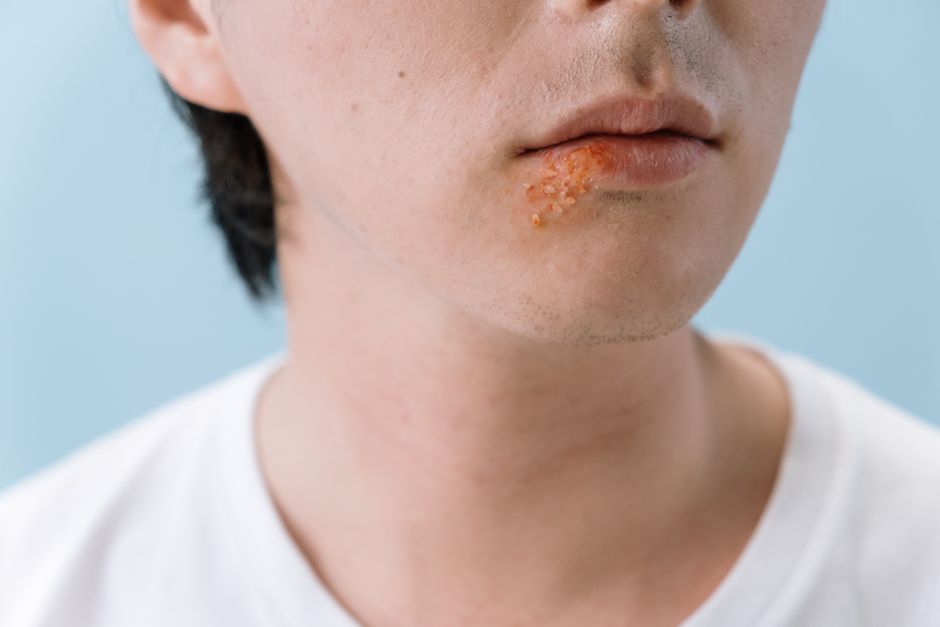
Mouth sores fall into a few common categories. Canker sores are small, shallow ulcers inside the lips or cheeks. They are not contagious. Cold sores are fluid-filled blisters caused by the herpes simplex virus. They usually appear on or around the lips and are contagious.
Other causes include biting the inside of your cheek, burns from hot food, braces rubbing against tissue, and food sensitivities. Some medications and vitamin deficiencies can also trigger sores. Stress and hormonal changes play a role for some people.
Most sores are not serious. The tissue inside your mouth heals quickly because it has a rich blood supply. That is why many sores resolve in a week or less.
Home Remedies That Actually Work
Saltwater rinses are the most reliable home treatment. Dissolve half a teaspoon of salt in a glass of warm water. Swish it around your mouth for 30 seconds and spit it out. Do this two to three times a day. The salt helps draw fluid out of the sore and reduces swelling.
Baking soda rinses work similarly. Mix one teaspoon of baking soda in half a glass of water. Use it the same way as saltwater. Both options are safe for most people and cost almost nothing.
Over-the-counter gels containing benzocaine or lidocaine numb the area temporarily. These are helpful when eating or talking hurts. Apply a small amount directly to the sore. Follow the package instructions for how often to use them.
Ice can reduce pain and swelling. Suck on an ice cube or hold a small piece against the sore for a few minutes. This works best for sores caused by injury or burns.
What To Avoid While You Have A Sore
Some foods make mouth sores worse. Spicy foods, salty snacks, and acidic fruits like oranges and tomatoes can sting. Sharp foods such as chips and crackers can scrape against the sore and slow healing.
Hot beverages and soups can irritate the area. Let drinks cool down before sipping. Choose soft, bland foods like yogurt, mashed potatoes, and scrambled eggs until the sore heals.
If you have a cold sore, avoid touching it. The virus spreads easily to other parts of your body and to other people. Wash your hands after applying any cold sore cream. Do not share cups, utensils, or lip balm.





Over-The-Counter Treatments: What The Evidence Shows
Several products claim to speed up healing of mouth sores. The evidence for them varies. Some studies suggest that products containing active ingredients like carbenoxolone or certain plant extracts can reduce pain and healing time. But the results are modest.
Oral pain relievers like ibuprofen or acetaminophen can help if the sore is very painful. These do not heal the sore faster but make the discomfort manageable. Take them according to the label instructions.
For cold sores, antiviral creams available over the counter can shorten an outbreak if applied early. These creams work best when you feel the tingling that comes before the blister appears. They do not cure the virus, but they reduce how long the sore lasts.
Some people try vitamin supplements like vitamin B12 or lysine for canker sores. Some research suggests these may help prevent recurrent sores in certain people. But the evidence is not strong enough to recommend them for everyone.
When To See A Doctor
Most mouth sores do not need medical care. But some do. See a doctor or dentist if a sore lasts longer than two weeks. Sores that do not heal can sometimes be a sign of a more serious condition, including oral cancer.
Get medical help right away if you have a sore that grows rapidly, bleeds without cause, or develops a hard edge. Pain that does not improve with over-the-counter treatments also deserves attention.
Seek urgent care if the sore comes with a fever, rash, or swelling in your face or neck. These can be signs of an infection that needs antibiotics. Difficulty swallowing or breathing is an emergency.
People with weakened immune systems should be more cautious. If you have diabetes, are undergoing chemotherapy, or take immunosuppressive drugs, check with your doctor early. What looks like a simple sore can become serious quickly in these situations.
How To Tell A Canker Sore From A Cold Sore
Canker sores and cold sores are often confused. They are completely different conditions. Canker sores appear inside the mouth as shallow, round ulcers with a white or yellow center and a red border. They are not contagious and are not caused by a virus.
Cold sores appear on the lips or around the mouth. They start as a tingling sensation, then form clusters of small blisters. They crust over and heal in about a week to ten days. Cold sores are contagious and caused by the herpes simplex virus.
Treatment differs. Canker sores respond to saltwater rinses and protective gels. Cold sores respond to antiviral creams. Using the wrong treatment wastes time and delays relief.
If you are not sure which type you have, look at the location. Inside the mouth means canker sore. On the lips means cold sore. This simple rule works in most cases.
Preventing Mouth Sores
You cannot prevent all mouth sores. But you can reduce how often they happen. If you get canker sores frequently, pay attention to what triggers them. Common triggers include certain foods, stress, and minor injuries from brushing too hard.
Use a soft toothbrush and be gentle when brushing. Avoid toothpaste containing sodium lauryl sulfate if you get frequent canker sores. Some research suggests this ingredient may irritate oral tissue in sensitive people. The evidence is mixed, but trying a different toothpaste for a few weeks is a low-cost experiment.
For cold sores, the main prevention is avoiding contact with someone who has an active outbreak. The virus spreads through direct contact. If you get cold sores regularly, talk to your doctor about prescription antiviral medications that can reduce outbreaks.
Manage stress where you can. Stress does not cause mouth sores directly, but it can make them more likely or more frequent. Regular sleep and physical activity help keep your immune system functioning normally.
Mouth Sores And Cancer: Understanding The Risk
Most mouth sores are not cancer. The vast majority are harmless and heal on their own. But a sore that does not heal is the most common early sign of oral cancer. That is why the two-week rule matters.
Oral cancer risk is higher in people who smoke, drink heavily, or have had the human papillomavirus. If you fall into these groups, be especially careful about monitoring any sore that lingers.
Do not panic if you have a sore that lasts a few days longer than expected. But do not ignore it either. A dentist can examine the area and, if needed, take a small sample for testing. This is a quick procedure that provides a clear answer.
Early detection of oral cancer dramatically improves treatment outcomes. That is the real reason the two-week rule exists. It is not about scaring you. It is about catching problems while they are small and treatable.
Frequently Asked Questions
How long do mouth sores usually last?
Most mouth sores heal within 7 to 14 days. If a sore lasts longer than two weeks, have it checked by a doctor or dentist.
Can I pop a cold sore blister?
No. Popping a cold sore blister can spread the virus to other areas and increase the risk of infection.
Is saltwater or baking soda better for mouth sores?
Both work equally well. Saltwater is more commonly used, but baking soda mixed with water is a fine alternative if you prefer it.
Are mouth sores a sign of a weak immune system?
Frequent or severe mouth sores can sometimes indicate an underlying health issue, but most people get them occasionally without any immune problem. If you get them very often, mention it to your doctor.
