
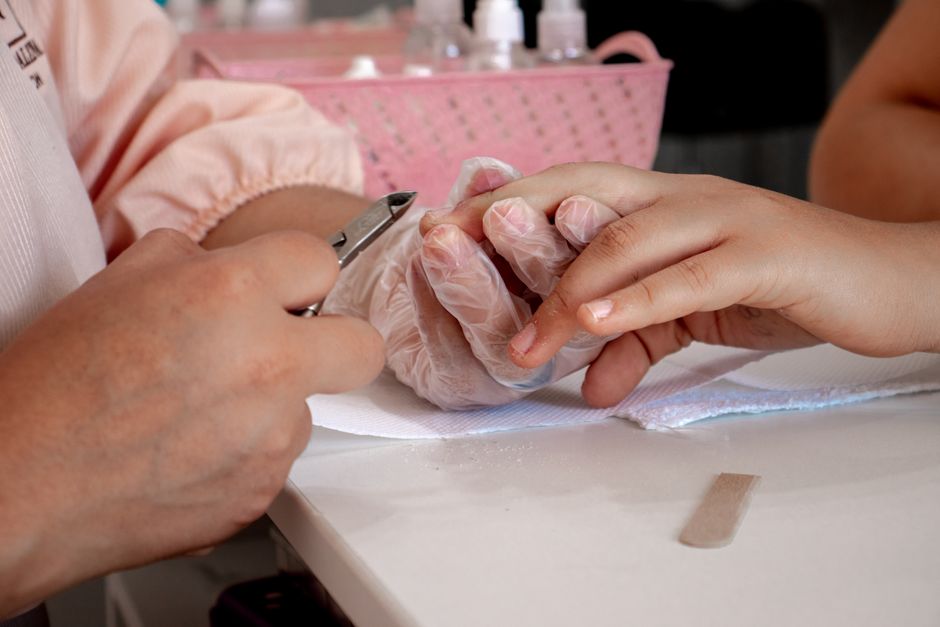
Losing your nail clippers is frustrating, especially when a snagged nail is catching on everything. You can cut nails without a nail cutter or scissors using a few common household items, but the method matters more than the tool. The safest alternatives include using a nail file, an emery board, or a glass nail file to grind the nail down gradually. For thicker toenails, a clean, sharp pocket knife or a dedicated nail nipper can work, but you must be careful to avoid splitting the nail or injuring the skin around it.
What Is The Safest Way To Shorten Nails Without Clippers?
The safest method is filing. A standard emery board or a glass nail file removes nail material gradually, which eliminates the risk of cuts, splits, or jagged edges. Filing takes longer than clipping, but it gives you complete control over the shape and length.
Start by filing in one direction, from the corner toward the center. Sawing back and forth creates friction and heat, which can weaken the nail and cause it to peel. File the top edge first, then smooth the corners. For toenails, file straight across to prevent ingrown nails.
Glass nail files are more durable than emery boards and create a finer edge. They also work well on both fingernails and toenails. If you only have a metal file, use it gently. Metal files are more aggressive and can remove too much nail if you press hard.
Can You Use A Pocket Knife To Cut Nails?
A sharp pocket knife or a kitchen paring knife can cut a nail, but it requires steady hands and careful technique. This method is riskier than filing because a slip can cut the skin or the nail bed. If you choose this route, use a knife with a straight, sharp edge rather than a serrated one.
Place the nail flat against a firm surface, like a table or a cutting board. Press the blade through the nail in a single, controlled motion. Do not twist or rock the blade. Cutting wet nails is easier than cutting dry ones, so consider trimming after a shower or bath when the nail is softer.
For toenails, a knife is more dangerous because they are thicker and require more force. A slip here can cause a deep cut on your toe. If you must use a blade on toenails, use a thicker, heavier knife and cut in very small sections.
Are There Any Tools Around The House That Work Well?
Several household items can substitute for nail clippers in a pinch. A nail nipper, often sold for pedicures, is designed for thick nails and works well on both fingers and toes. These have a plier-like action that gives you more leverage than scissors.
Cuticle cutters or small craft scissors can also work, but only on fingernails. They are not strong enough for toenails. If you use scissors, cut the nail in small snips rather than trying to cut across the whole nail in one go. This reduces the chance of the nail splitting or the scissors slipping.
Some people use the edge of a nail file to score the nail and then snap it off. This works, but it often leaves a rough edge that needs smoothing. It is not the cleanest method, and it can cause the nail to peel if you snap it too aggressively.
There are also electric nail trimmers and rotary tools designed for nail care. These are commonly used by people with thickened or brittle nails, such as those with fungal infections or diabetes. They grind the nail down with a spinning abrasive head. They are effective, but they are not something most people have on hand.



What Should You Never Use To Cut Nails?
Some tools and methods cause more harm than good. Do not use your teeth to bite or tear nails. This is one of the most common ways people shorten nails without clippers, but it often leads to jagged edges, split nails, and damage to the nail bed. Biting also introduces bacteria from your mouth into the skin around the nail, which can cause infections.
Avoid using regular household scissors, especially blunt ones. Blunt scissors crush the nail rather than cutting it, which can cause the nail to split or peel. This is a common cause of hangnails and ragged edges.
Do not use pliers, wire cutters, or any tool designed for metal or hard materials. These tools are not designed for the precision needed to cut nails and can easily crush the nail or injure the finger.
Do not rip or tear a snagged nail. If a nail catches on something and tears, do not pull it the rest of the way off. This can tear the nail away from the nail bed, which is painful and can lead to infection. Instead, file the torn edge smooth and keep the nail short until it grows out.
How Do You Handle A Torn Or Broken Nail Without Clippers?
A torn nail needs immediate attention to prevent further damage. If the tear is small and the nail is still attached, file the rough edge smooth. Apply a small piece of clear nail polish or a drop of super glue along the tear to seal it and prevent it from catching on fabric. This is a temporary fix, not a long-term solution.
If the nail is torn deep into the quick, the pink part of the nail bed, it will likely bleed. Clean the area with soap and water, apply pressure with a clean cloth to stop the bleeding, and cover it with a bandage. Do not try to cut the remaining nail off. Leave it and let it grow out naturally.
If the entire nail lifts off the nail bed, keep it clean and covered. The nail will eventually fall off on its own as a new one grows underneath. This process takes several weeks to months, depending on whether it is a fingernail or a toenail. Fingernails grow faster than toenails.
What Is The Best Way To Shape Nails After Cutting Them?
Shaping is just as important as cutting. A nail that is cut but not shaped will have sharp corners and rough edges that catch on clothing and skin. Use a file or emery board to smooth every edge after cutting.
For fingernails, a rounded or oval shape is standard. File the corners to soften them. For toenails, file straight across. Do not round the corners of toenails, as this increases the risk of ingrown toenails. Ingrown toenails occur when the corner of the nail grows into the skin, causing pain, redness, and sometimes infection.
After filing, wash your hands or feet to remove nail dust. Apply a moisturizer or cuticle oil to the skin around the nails. This keeps the cuticles soft and reduces the chance of hangnails.
Frequently Asked Questions
Can I use a regular nail file to shorten my nails completely?
Yes, a nail file can shorten nails completely, but it takes longer than clipping. File in one direction from the corner toward the center, and check your progress frequently to avoid removing too much.
Is it safe to cut nails with a kitchen knife?
It is possible but not recommended, especially for toenails. A sharp knife can cut through a fingernail with careful pressure, but the risk of slipping and cutting your skin is high.
How do I soften nails before cutting them without clippers?
Soak your nails in warm water for five to ten minutes before cutting or filing. Warm water softens the keratin in the nail, making it easier to cut and less likely to split.
What should I do if I cut my skin while trimming nails?
Clean the cut with soap and water, apply pressure with a clean cloth to stop any bleeding, and cover it with a bandage. If the cut is deep, bleeds heavily, or shows signs of infection like redness and warmth, seek medical care.
Cutting nails without a nail cutter or scissors is entirely possible with the right technique and a little patience. Filing is the safest option. A sharp knife works in a pinch but demands caution. Whatever tool you use, take your time, cut or file in small increments, and smooth the edges afterward. Your nails will look neat, and you will avoid the pain of a split nail or a cut finger.
