
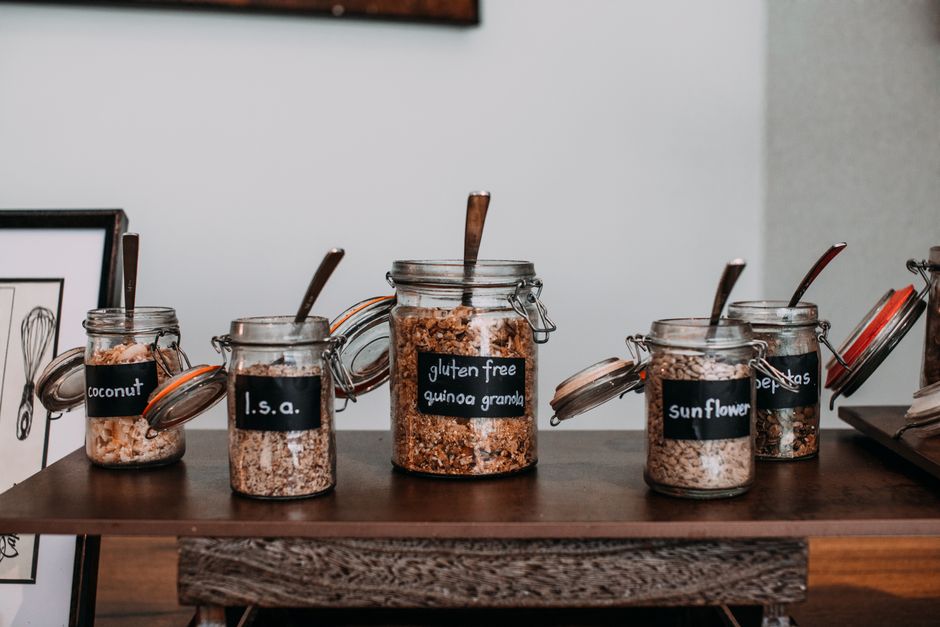
Cutting gluten out of your diet means removing wheat, barley, rye, and anything made from them — then replacing those foods with naturally gluten-free options like rice, corn, potatoes, beans, quinoa, fruits, vegetables, meat, fish, eggs, and dairy. The foods you eat instead matter as much as the foods you remove, because a gluten-free diet built on processed substitutes can be low in fiber, iron, and certain B vitamins. For most people, the swap is simpler than it sounds: build meals around foods that never contained gluten in the first place.
What Is Gluten And Where Does It Hide?
Gluten is a group of proteins found in wheat, barley, and rye. It gives bread its chew and helps dough hold together. That same stickiness is why gluten shows up in foods you would never suspect.
The obvious sources are bread, pasta, cereal, crackers, and baked goods. The less obvious ones include soy sauce, some salad dressings, malt vinegar, beer, certain soups and sauces thickened with flour, and many processed snacks. Oats are naturally gluten-free but are frequently contaminated during growing and processing, so most people following a gluten-free diet need oats labeled gluten-free.
Wheat also travels under other names. On an ingredient label, watch for durum, semolina, spelt, farro, kamut, emmer, einkorn, triticale, and malt. Barley and rye are sometimes listed as malt, malt flavoring, or malt extract.
One point that surprises many people: gluten-free on a package label is a regulated claim in the United States. Products carrying it must meet a defined limit for gluten content. Products that simply say “wheat-free” do not carry the same assurance and may still contain barley or rye.
How To Cut Gluten Out Of Your Diet What To Eat Instead?
Replace gluten grains with foods that are naturally gluten-free and nutritionally comparable. You do not need specialty products to do this well.
For starches and grains, reach for rice, corn, potatoes, sweet potatoes, quinoa, buckwheat, millet, amaranth, and certified gluten-free oats. For protein, almost all plain meat, poultry, fish, eggs, beans, lentils, and tofu are gluten-free as long as they are not breaded, marinated, or processed with gluten-containing additives.
Fruits and vegetables are gluten-free in their natural form. Plain dairy — milk, cheese, yogurt — is generally gluten-free, though flavored and thickened products can contain additives worth checking.
The practical approach is to rebuild meals rather than hunt for substitutes:
- Breakfast: eggs with vegetables, yogurt with fruit, or certified gluten-free oats
- Lunch: a grain bowl with rice or quinoa, beans, and vegetables
- Dinner: meat, fish, or legumes with potatoes, rice, or corn tortillas
- Snacks: fruit, nuts, cheese, plain popcorn, or rice cakes
This way of eating leans on whole foods, which sidesteps most label-reading and cross-contamination worries.
Which Grains And Flours Can Replace Wheat?
Several flours work as wheat replacements, though each behaves differently. Gluten is what gives wheat dough its stretch, so gluten-free baking usually combines flours rather than relying on one.
Common gluten-free flours include rice flour, corn flour and cornmeal, almond flour, coconut flour, chickpea flour, buckwheat flour, and blends sold specifically for gluten-free baking. These blends typically include a starch and a binder such as xanthan gum to mimic some of wheat’s function.
Baking with gluten-free flours is not a one-to-one swap. Texture, rise, and moisture all change. Recipes written specifically for gluten-free baking tend to work better than converting a standard recipe.




What About Oats, Sauces, And Eating Out?
Oats deserve their own mention. They are naturally gluten-free, but most oats in the US are grown and processed alongside wheat, barley, or rye. If you are avoiding gluten strictly, choose oats labeled gluten-free.
Sauces and condiments are a common hidden source. Regular soy sauce is made with wheat, so tamari or certified gluten-free soy sauce is the usual substitute. Many salad dressings, marinades, and gravies use flour or malt. Checking labels once and finding brands you trust saves repeated effort.
Eating out takes more planning. Restaurant staff may not know which menu items contain gluten, and cross-contamination in a shared kitchen is real. Fried foods cooked in the same oil as breaded items, shared toasters, and shared cutting boards can all transfer gluten. For people with celiac disease, this matters clinically, not just as a preference.
Do You Need To Worry About Nutrition Gaps?
A gluten-free diet can be lower in fiber, iron, and some B vitamins if it relies heavily on refined gluten-free substitutes. Many gluten-free breads and snacks are made with refined flours and starches that are not fortified the way wheat products often are.
Whole foods help close that gap. Beans, lentils, brown rice, quinoa, and vegetables supply fiber. Meat, fish, and legumes supply iron. A varied diet built on whole foods generally covers these nutrients without special effort.
Some people find their diet becomes more nutritious after going gluten-free, simply because they start cooking more and eating fewer packaged foods. Others find the opposite if they lean on processed gluten-free products. The difference is usually in what replaces the wheat, not in the removal itself.
Who Actually Needs To Avoid Gluten?
Three groups have a clear medical reason to avoid gluten. People with celiac disease have an autoimmune reaction to gluten that damages the small intestine. People with wheat allergy have an immune response to wheat proteins. People with non-celiac gluten sensitivity report symptoms that improve when gluten is removed, though this condition is less well understood and is diagnosed largely by ruling out the other two.
For celiac disease, avoiding gluten is not optional. Even small amounts can trigger intestinal damage, and the diet must be strict and lifelong. If you suspect celiac disease, get tested before starting a gluten-free diet. Going gluten-free first can make the tests less accurate, because the tests look for the body’s reaction to gluten.
For everyone else, there is no established health benefit to removing gluten. Some people feel better after cutting it out, and that experience is real to them. But the evidence does not show that a gluten-free diet improves health for people without one of these conditions. It is also not a weight-loss diet by itself.
Is A Gluten-Free Diet Healthier For Everyone?
No. For people without celiac disease, wheat allergy, or a diagnosed sensitivity, the evidence does not show that a gluten-free diet is healthier than a diet containing gluten. Some marketing around gluten-free products implies otherwise, but that claim is not supported.
Gluten-free processed foods are often more expensive and sometimes lower in fiber and fortification than their wheat-based counterparts. Removing gluten without a medical reason can also make eating unnecessarily restrictive.
If you are considering a gluten-free diet for symptoms like bloating, fatigue, or digestive discomfort, talk to a doctor first. Those symptoms have many possible causes, and testing for celiac disease before removing gluten is the standard approach.
Frequently Asked Questions
What can I eat instead of bread on a gluten-free diet?
You can replace bread with rice cakes, corn tortillas, certified gluten-free bread, or lettuce wraps. Many people also build meals around rice, potatoes, or quinoa instead of a bread-based base.
Is rice gluten-free?
Yes, all plain rice is naturally gluten-free, including white, brown, and wild rice. Check flavored rice mixes and seasoning packets, which can contain gluten-containing additives.
Do I need to avoid gluten if I do not have celiac disease?
No established health benefit has been shown for avoiding gluten in people without celiac disease, wheat allergy, or a diagnosed sensitivity. If you have symptoms, get tested before changing your diet.
Are oats gluten-free?
Oats are naturally gluten-free, but most are processed alongside wheat, barley, or rye. Choose oats specifically labeled gluten-free if you are avoiding gluten strictly.
