
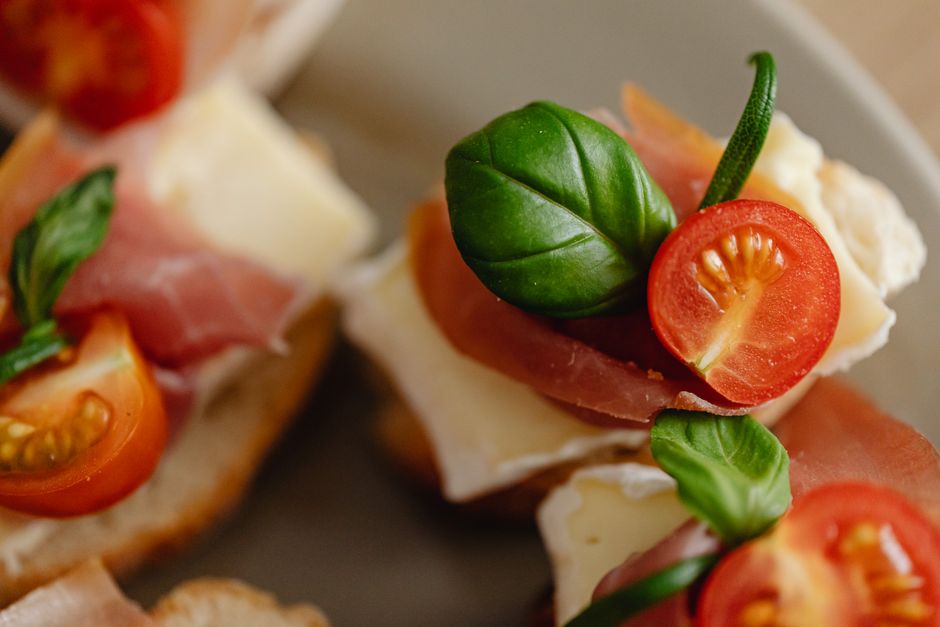
Cheese can absolutely fit into a healthy diet. The catch is type and portion, not the food itself. Hard aged cheeses like parmesan and cheddar deliver concentrated protein and calcium in small amounts, while soft cheeses and processed cheese products often bring more sodium and saturated fat per serving. Most people do well treating cheese as a flavor and protein accent — roughly 1 to 2 ounces per sitting — rather than a main dish.
That answer holds whether your goal is weight loss, heart health, or just eating better. What changes is which cheeses you lean on and how much lands on your plate.
Is Cheese Good For a Diet? Best Types and Servings
Cheese is a concentrated food. It takes about 10 pounds of milk to make 1 pound of hard cheese, which is why the protein, calcium, and fat all pack tightly into a small volume. That density is the whole story. It makes cheese satisfying and easy to overeat at the same time.
A 1-ounce serving of cheddar — roughly the size of a pair of dice or a single slice — provides about 115 calories, 7 grams of protein, and roughly 200 milligrams of calcium. That calcium figure matters: it covers about 15 to 20 percent of the daily calcium needs for most adults. You get real nutritional value in a very small package.
The fat is where the debate lives. Most cheese is high in saturated fat. Current dietary guidance in the United States generally recommends keeping saturated fat to less than 10 percent of daily calories. For someone eating 2,000 calories a day, that’s about 22 grams. Two ounces of cheddar carries roughly 12 grams of saturated fat — more than half that budget.
None of this makes cheese a bad food. It makes it a food that rewards portion awareness. The evidence does not support the idea that cheese is uniquely fattening, and it also does not support the idea that you can eat it freely. Both claims overshoot.
What Does the Research Actually Say About Cheese and Health?
Observational studies have repeatedly found that cheese eaters do not show higher rates of heart disease or weight gain than people who eat little cheese. That finding surprised researchers, because the saturated fat content would predict otherwise.
This is often called the “cheese paradox.” Some researchers have proposed that the calcium, protein, and fermentation processes in cheese may affect how the body handles its fat. The fermentation angle is interesting: cheese contains compounds produced during aging that some laboratory and animal studies suggest may influence cholesterol metabolism differently than butter does.
Here is where honesty matters. Most of this evidence comes from population studies, which can show associations but cannot prove cause. The proposed mechanisms are plausible but not firmly established in large human trials. No one has run a long-term randomized trial where one group eats cheese and another does not, with heart disease outcomes measured over decades.
What the evidence does support is reasonable confidence that moderate cheese consumption is not harmful for most people. What it does not support is any claim that cheese protects your heart. Those are very different statements, and marketing often blurs them.
Which Cheeses Are Best for a Healthy Diet?
The best cheeses for most diets share three traits: high protein relative to calories, lower sodium, and strong flavor so a little goes a long way. Flavor intensity is an underrated diet tool. A sharp aged parmesan delivers more taste per gram than a mild mozzarella, which means you naturally use less.
Hard aged cheeses tend to win on protein density. Parmesan, for example, packs roughly 10 grams of protein into a single ounce, along with a deep savory flavor that works as a finishing touch rather than a base ingredient.
Fresh cheeses like ricotta and cottage cheese are lower in fat and calories per ounce and high in protein. Cottage cheese in particular has become popular in high-protein eating patterns because it delivers substantial protein for relatively few calories. Part-skim ricotta works well in cooked dishes where its texture matters more than its richness.
Feta and goat cheese are moderately caloric but intensely flavored, which makes them efficient. A small crumble over a salad or roasted vegetables adds a lot of satisfaction for a modest amount.
At the other end, processed cheese slices and spreads deserve scrutiny. Many are formulated with added oils, emulsifying salts, and higher sodium. They are not the same food as natural cheese, and treating them interchangeably misses the point.
| Cheese type | Approx. protein per oz | Approx. calories per oz | Best use |
|---|---|---|---|
| Parmesan (hard aged) | 10 g | 110 | Finishing, grating |
| Cheddar | 7 g | 115 | Slicing, snacking |
| Part-skim mozzarella | 7 g | 85 | Cooking, melting |
| Cottage cheese | 12–13 g | 90–110 | Breakfast, high-protein meals |
| Feta | 4 g | 75 | Crumbling over dishes |
These figures are approximate and vary by brand and fat content. Read the label on the specific product you buy — the range between brands can be wider than people expect.





How Much Cheese Should You Eat Per Day?
There is no official daily cheese recommendation. Dietary guidelines address dairy as a food group, not cheese specifically, and they generally suggest choosing lower-fat dairy options while keeping total saturated fat in check.
A practical approach many dietitians use is roughly 1 to 2 ounces of cheese per day for adults, treated as part of the overall dairy intake. That is not a rule from a guideline body — it is a working figure that keeps cheese useful without letting saturated fat and sodium crowd out other foods.
The serving size problem is real and worth naming. Most people serve themselves two to three times what counts as one ounce, especially when cheese is on a board or in a casserole. A handful of shredded cheese is often closer to a quarter cup, which is about an ounce — but a heavy pour can easily double that.
Sodium is the other number to watch. Cheese is a meaningful sodium source in the American diet, and many hard cheeses land around 170 to 200 milligrams per ounce. If you are managing blood pressure, that adds up quickly across a day.
Does Cheese Help With Weight Loss or Weight Gain?
Cheese is neither a weight-loss food nor a weight-gain food on its own. What matters is the total calorie picture and how satisfying the food is.
Protein and fat both slow digestion and support satiety, the feeling of fullness between meals. A small amount of cheese with a meal can genuinely help you feel satisfied longer, which is useful. The risk is that cheese is calorically dense and easy to eat past fullness, particularly when it is melted, salted, and paired with bread or crackers.
Some evidence suggests dairy intake, including cheese, is not associated with weight gain in observational studies. That does not mean cheese helps you lose weight. It means moderate cheese eating does not appear to drive weight gain, which is a more limited and more accurate claim.
If weight loss is the goal, cheese works best as a flavor tool and protein source measured in small amounts. If weight gain or muscle support is the goal, cheese is a convenient calorie- and protein-dense addition. Same food, different role.
Who Should Be Careful With Cheese?
Most people can eat cheese without concern. Some groups need more attention.
- People with lactose intolerance often tolerate hard aged cheeses better than fresh ones, because aging reduces lactose content. Parmesan and aged cheddar are commonly cited as easier options, though tolerance varies by person.
- People managing high blood pressure should track sodium from cheese along with other sources. Lower-sodium cheeses exist, and portion control does a lot of the work.
- People with high LDL cholesterol may be advised to limit saturated fat overall, which naturally limits cheese volume. This is a conversation to have with a clinician rather than a blanket rule.
- Pregnant women should follow established food safety guidance on soft cheeses. Unpasteurized soft cheeses carry a listeria risk, and public health agencies consistently advise choosing pasteurized versions during pregnancy.
- People with milk protein allergy must avoid cheese entirely. This is different from lactose intolerance and is a true immune reaction.
One clarification worth making: lactose intolerance and milk allergy are not the same thing and are often confused. Intolerance is a digestive issue with lactose sugar. Allergy is an immune response to milk protein. Cheese avoidance guidance differs completely between the two.
How Should You Fit Cheese Into a Balanced Diet?
Use cheese as a supporting ingredient rather than a centerpiece most of the time. A little sharp cheese on vegetables, a spoon of feta on beans, or a slice of cheddar with an apple all deliver flavor and protein without pushing saturated fat or sodium into problem territory.
Pair cheese with fiber-rich foods — vegetables, whole grains, fruit, legumes. This does two useful things at once. It stretches the cheese across more volume so you eat less of it, and it adds nutrients that cheese does not provide well, like fiber and vitamin C.
Read labels on the products you actually buy. Sodium and saturated fat vary more between brands than many people realize, and a lower-sodium version of the same cheese often tastes nearly identical.
Finally, be skeptical of cheese products marketed as health foods. Added probiotics, “grass-fed” labels, and protein claims do not change the basic nutrition profile much. Natural cheese in reasonable amounts is a solid choice without any of that framing.
Frequently Asked Questions
Is cheese good for a diet?
Yes, in moderate amounts. Cheese provides protein and calcium, but it is high in saturated fat and sodium, so portion size matters more than the food itself.
What is the healthiest cheese to eat?
Hard aged cheeses like parmesan and lower-fat options like part-skim mozzarella and cottage cheese offer strong protein for their calories. There is no single healthiest cheese — it depends on your goals.
How much cheese is too much per day?
There is no official daily limit, but most adults do well keeping cheese to roughly 1 to 2 ounces a day. Going well beyond that can push saturated fat and sodium past recommended levels.
Does cheese make you gain weight?
No single food causes weight gain. Cheese is calorie-dense, so large portions can add up quickly, but moderate intake is not linked to weight gain in observational studies.
