
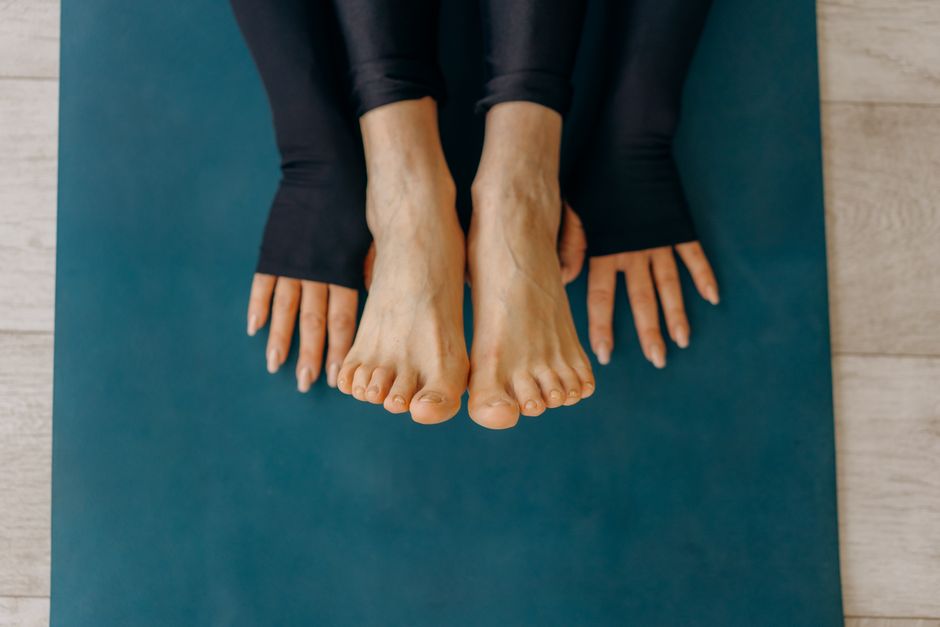
Swollen feet are common, but that does not make them normal. The medical term is peripheral edema, and it happens when fluid builds up in the tissues of your lower legs and feet. For most people, the fix starts with movement, elevation, and compression. For others, swollen feet signal a deeper health problem that needs a doctor’s attention. This guide covers what works, what does not, and when swelling is a warning sign you should not ignore.
What Causes Swollen Feet in the First Place?
Fluid pools in your feet because gravity pulls it down. Your circulatory system has to work against gravity to push blood back up to your heart. When that system slows down or meets resistance, fluid leaks out of the veins and into the surrounding tissue.
Common causes include standing or sitting for long periods, hot weather, and eating too much salt. Pregnancy causes swelling because the body holds more fluid and the growing uterus presses on veins returning blood to the heart. Medications can also cause swelling, including blood pressure drugs called calcium channel blockers, hormone treatments, and some antidepressants.
More serious causes involve the heart, kidneys, or liver. When the heart pumps weakly, blood backs up in the veins. When kidneys fail to filter properly, excess sodium and water stay in the body. Liver disease can reduce proteins in the blood that normally hold fluid inside the vessels. Venous insufficiency, where the one-way valves in leg veins fail, is also a leading cause of chronic swelling.
If your swelling came on suddenly, affects only one leg, or comes with chest pain or shortness of breath, that is an emergency. Call 911. A blood clot in the leg, called deep vein thrombosis, can be life-threatening if it travels to the lungs.
How To Cure Swollen Feet: What Actually Works
There is no single cure for swollen feet because there is no single cause. The goal is to reduce the fluid and prevent it from returning. For swelling caused by gravity, inactivity, or heat, these methods are well supported by clinical experience and research.
Elevation is the fastest physical intervention. Raise your feet above the level of your heart for 15 to 30 minutes. This lets gravity work in your favor and drain fluid back toward your torso. Do this several times a day if you sit for work.
Movement activates the calf muscle pump. Your calf muscles squeeze the deep veins in your legs when you walk, which pushes blood upward. If you stand or sit all day, take a two-minute walking break every hour. Ankle pumps — pointing and flexing your feet — also stimulate this pump while seated.
Compression socks apply graduated pressure that is tightest at the ankle and looser higher up. This prevents fluid from accumulating. They are most effective when put on in the morning before swelling develops. Fitted compression stockings require a measurement and sometimes a prescription. Over-the-counter options vary in quality, so ask a pharmacist which strength suits your situation.
Reducing salt directly reduces fluid retention. The average American consumes far more sodium than the body needs. Most of it comes from processed foods, restaurant meals, and sauces, not the salt shaker. Cutting back on these for a few days often visibly reduces swelling.
Cold water immersion can provide temporary relief by constricting blood vessels. Some athletes use this after long races. The effect is short-lived, and it does not address the underlying cause.
When Swelling Does Not Go Away: Medical Treatments
If home measures do not reduce swelling within a few days, or if the swelling is significant, see a doctor. The right treatment depends entirely on the cause.
For venous insufficiency, doctors often recommend prescription compression stockings with higher pressure than anything sold over the counter. Some patients benefit from vein procedures that close off faulty veins, redirecting blood to healthier vessels.
For heart failure, treatment focuses on improving the heart’s pumping ability with medications and reducing fluid with diuretics, sometimes called water pills. Diuretics make the kidneys excrete more sodium and water. These are prescription medications. Taking someone else’s water pill or buying them online is dangerous and can cause dehydration or kidney damage.
For kidney or liver disease, management is more complex and requires specialist care. Swelling is a symptom of these conditions, not the condition itself. Treating the swelling without treating the organ failure is not possible.
Some clinicians recommend lymphatic drainage massage for swelling related to lymphatic system problems. This specialized massage technique moves fluid manually toward lymph nodes. The evidence for its effectiveness in mild swelling is limited, but it is a common clinical practice for lymphedema, a specific condition where lymph fluid accumulates.




Lifestyle Changes That Prevent Swollen Feet
Prevention is easier than treatment. If you know you swell after long flights or busy workdays, plan ahead.
Stay hydrated. It sounds counterintuitive, but drinking enough water helps your kidneys flush excess sodium. Dehydration actually prompts the body to hold onto fluid.
Maintain a healthy weight. Excess weight increases pressure on leg veins and makes the calf muscle pump less efficient. Weight loss often improves chronic swelling.
Move more throughout the day. A standing desk is not a solution if you stand still for hours. The problem is not standing or sitting — it is staying in one position. Shift your weight, walk, stretch, and do calf raises regularly.
Wear comfortable shoes. Tight shoes restrict circulation. Shoes that are too loose can also cause problems because your feet slide and your muscles work harder. Proper fit matters for foot health.
Avoid crossing your legs for long periods. This compresses veins in the back of the knee and can slow blood return from the lower leg.
What Does Not Work for Swollen Feet
Several popular remedies have little or no evidence behind them. Some are harmless. Others can be dangerous.
Arnica cream and other topical herbal products are widely marketed for swelling. No large clinical trials have confirmed they reduce edema in the feet. They may feel soothing, but they are not a treatment.
Epsom salt soaks are a common home remedy. The magnesium in Epsom salt is poorly absorbed through the skin. The warm water may provide temporary comfort, but the soak itself does not remove fluid from the tissues in any meaningful way.
Rubbing essential oils on swollen feet has no proven benefit. Some oils can cause skin irritation or allergic reactions. None have been shown to reduce fluid retention.
Some internet sources recommend taking magnesium or potassium supplements for swelling. If you are deficient in these minerals, correcting the deficiency is reasonable. But taking high doses without a deficiency can be harmful, especially potassium, which can affect heart rhythm. Get blood work done before supplementing.
Diuretic teas marketed as “detox” products are not regulated like medications. Their active ingredients vary, and their effects on fluid balance are unpredictable. Some contain herbal compounds that interact with prescription drugs.
When Swollen Feet Signal a Medical Emergency
Most swollen feet are not emergencies. Some are. Seek immediate medical care if you have any of these signs:
- Swelling in only one leg, especially with pain, warmth, or redness
- Sudden onset of swelling
- Swelling accompanied by chest pain or difficulty breathing
- Swelling that pits — when you press a finger into the swollen area, the indentation stays
- Swelling that gets progressively worse over days
- Swelling with skin that looks stretched, shiny, or breaks open
One-sided swelling raises concern for a blood clot. Sudden swelling with breathing problems raises concern for heart failure or a clot that has moved to the lungs. These require immediate evaluation in an emergency department.
Chronic swelling that has been present for months is less urgent, but it still deserves a medical evaluation. Untreated venous insufficiency can lead to skin changes, ulcers, and infection. Untreated heart failure worsens over time.
Frequently Asked Questions
How long does it take for swollen feet to go down?
With elevation and movement, mild swelling often improves within hours. If swelling persists for more than a few days despite home treatment, see a doctor.
Is walking good for swollen feet?
Yes, walking activates the calf muscle pump that pushes blood and fluid back toward the heart. Short, frequent walks are better than one long walk followed by hours of sitting.
Can drinking more water reduce swollen feet?
Proper hydration helps your kidneys remove excess sodium, which can reduce fluid retention. Severe swelling will not resolve with water alone.
Are compression socks safe for everyone?
No. People with peripheral artery disease should not use compression socks without a doctor’s approval, because compression can reduce blood flow further. Ask a doctor or pharmacist before using them.
Swollen feet are often a nuisance that responds to simple measures. When they persist, worsen, or come with other symptoms, they deserve real medical attention. Listen to your body. The fluid is not the problem — the reason the fluid is there is the problem.
