
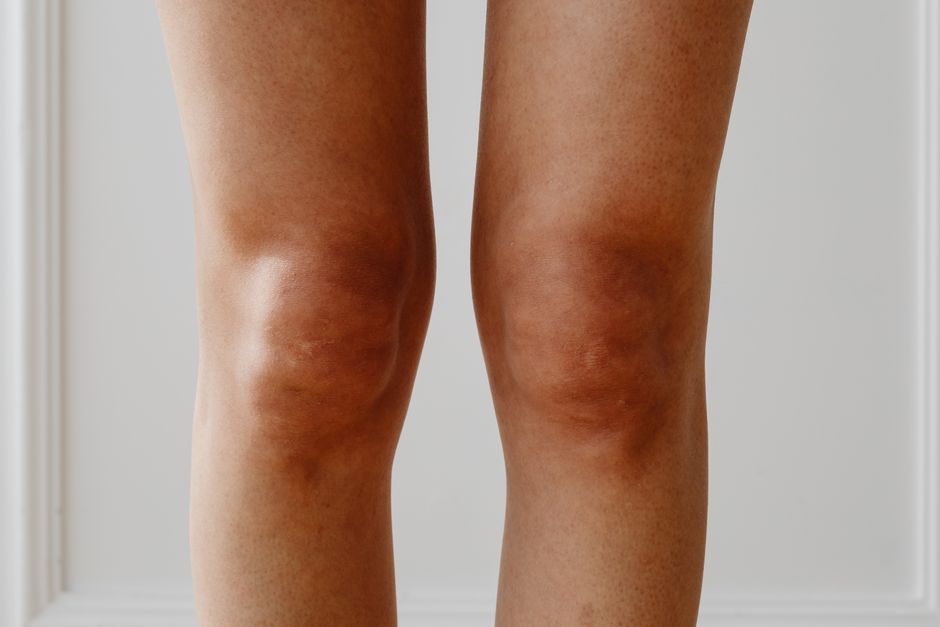
If your knee is swollen, the first step is to rest it and stop any activity that caused the pain. Apply ice for 15-20 minutes every 2-3 hours to bring down swelling. Keep your leg raised above the level of your heart when you can, and wrap the knee with an elastic bandage for compression. Over-the-counter ibuprofen or naproxen can help with both pain and inflammation. If the swelling came on suddenly after an injury, or if you cannot put weight on the leg, see a doctor. These steps work for most common causes of knee swelling, but they are not a substitute for medical advice.
What Causes a Swollen Knee?
Knee swelling happens when fluid builds up inside or around the joint. Doctors call it knee effusion. The fluid can be blood, joint fluid, or pus depending on the cause.
The most common causes are injury, overuse, and underlying conditions like arthritis. An ACL tear or meniscus tear can cause rapid swelling within hours. Arthritis, both osteoarthritis and rheumatoid arthritis, tends to cause slower swelling that comes and goes. Gout and pseudogout are also common causes — they happen when crystals form in the joint fluid and trigger inflammation.
Less common but serious causes include infection and blood clots. An infected knee joint is a medical emergency. The skin over the knee will look red and feel hot, and you may have a fever. If you have these symptoms, go to an emergency room immediately.
How To Help Swollen Knee With the RICE Method
The RICE method — Rest, Ice, Compression, Elevation — is the standard first treatment for knee swelling. Research published by the American Academy of Orthopaedic Surgeons supports it for acute injuries. Here is how to do each part correctly.
Rest means stop using the knee for 24-48 hours. This does not mean bed rest. You can move around carefully, but avoid any activity that makes the pain worse. If walking hurts, use crutches. The goal is to prevent more irritation while the body starts healing.
Ice reduces blood flow to the area and slows down inflammation. Use an ice pack wrapped in a thin towel. Never put ice directly on skin — it can cause frostbite. Apply for 15-20 minutes at a time. Wait at least 2 hours between sessions. Ice is most effective in the first 48 hours after swelling starts.
Compression helps prevent more fluid from building up. Use an elastic bandage like an ACE wrap. Wrap it snug but not tight. If your foot turns blue or feels numb, the wrap is too tight. Start wrapping from below the knee and go upward. Remove the bandage before sleeping.
Elevation uses gravity to help fluid drain away from the knee. Lie down and prop your leg on pillows so the knee is higher than your heart. Do this for 20-30 minutes several times a day. It makes a real difference, especially in the first few days.
| RICE Component | How to Do It | How Long |
|---|---|---|
| Rest | Stop painful activities; use crutches if needed | 24-48 hours |
| Ice | Ice pack wrapped in towel on the knee | 15-20 min every 2-3 hours |
| Compression | Elastic bandage, snug not tight | Remove before sleeping |
| Elevation | Knee above heart level | 20-30 min several times daily |
What Medications Actually Help Swollen Knees?
Nonsteroidal anti-inflammatory drugs, or NSAIDs, are the most common medications for knee swelling. Ibuprofen (Advil, Motrin) and naproxen (Aleve) are available over the counter. They work by blocking enzymes that cause inflammation.
The evidence for NSAIDs is solid. A review in the journal Sports Medicine found that NSAIDs reduce pain and swelling after knee injuries better than acetaminophen (Tylenol). Acetaminophen treats pain but does not reduce inflammation. If your main problem is swelling, choose an NSAID.
Do not take NSAIDs for more than 10 days without talking to a doctor. They can cause stomach bleeding and kidney problems with long-term use. If you have high blood pressure, heart disease, or a history of stomach ulcers, check with your doctor before taking them.
Topical NSAIDs like diclofenac gel (Voltaren) are an option for people who cannot take oral NSAIDs. The gel is applied directly to the knee. Some studies suggest it works as well as pills for knee arthritis, with fewer side effects.





When Should You See a Doctor for a Swollen Knee?
Some swelling gets better with home care. Some does not. Knowing the difference matters.
See a doctor if the swelling happened after a clear injury and you cannot put weight on the leg. This could mean a torn ligament or broken bone. See a doctor if the knee looks deformed or if you heard a popping sound at the time of injury.
Go to the emergency room if the knee is red, hot, and you have a fever. These are signs of a joint infection. The CDC reports that septic arthritis can destroy joint cartilage within 24-48 hours if not treated with antibiotics.
See a doctor if the swelling does not improve after 3-5 days of RICE and NSAIDs. Also see a doctor if you have a history of blood clots and one leg is swollen more than the other, especially if the swelling is in the calf or thigh along with the knee.
A doctor will examine the knee and may order an X-ray or MRI. They might also drain fluid from the knee with a needle, which both relieves pressure and helps them test the fluid for infection or crystals.
What About Knee Braces and Physical Therapy?
Knee braces are widely used, but the evidence for them is mixed. A simple compression sleeve can help with mild swelling by providing gentle pressure and warmth. It may also help you feel more stable when walking.
For more serious injuries, a hinged knee brace can limit movement and protect the joint while it heals. However, research has not shown that braces prevent future injuries or speed up recovery from arthritis. The American Academy of Family Physicians notes that braces are most helpful for specific conditions like ACL tears or patellar instability.
Physical therapy is more clearly beneficial. A physical therapist can teach you exercises that strengthen the muscles around the knee, especially the quadriceps and hamstrings. Stronger muscles take pressure off the knee joint itself. A study in Arthritis & Rheumatology found that strengthening exercises reduced pain and improved function in people with knee osteoarthritis more than medication alone.
Do not wear a brace all day unless a doctor told you to. Your muscles can weaken from lack of use, which makes the knee less stable over time.
Common Misconceptions About Swollen Knees
One of the most persistent myths is that heat helps swelling. It does not. Heat increases blood flow, which can actually make swelling worse in the first few days. Use heat only after the swelling has gone down, to relax stiff muscles. Ice is the correct choice for active swelling.
Another myth is that you should keep moving through the pain. This idea — “walk it off” — does not apply to knee swelling. Moving a swollen knee can irritate the joint further and delay healing. Gentle movement without pain is fine. Pushing through pain is not.
Some people believe that wrapping the knee as tightly as possible will reduce swelling faster. The opposite is true. Too-tight wrapping can cut off circulation and cause more swelling below the wrap. The goal is firm compression, not a tourniquet.
A third misconception is that knee swelling always means arthritis. While arthritis is a common cause, especially in people over 50, many other conditions cause knee swelling. Gout, bursitis, tendonitis, and injuries all look similar at first. Getting an accurate diagnosis matters because treatments are different for each cause.
Frequently Asked Questions
How long does a swollen knee take to go down?
Mild swelling from overuse usually improves in 2-3 days with ice and rest. Swelling from an injury or arthritis can take 1-2 weeks or longer.
Can I walk on a swollen knee?
If walking does not cause sharp pain, it is usually safe. If you cannot put weight on the leg without pain, use crutches and see a doctor.
Is it better to ice or heat a swollen knee?
Ice is better for swelling. Heat is for muscle stiffness after the swelling is gone. Using heat on an actively swollen knee can make it worse.
When should I go to the ER for a swollen knee?
Go to the ER if the knee is red, hot to the touch, and you have a fever. These are signs of infection, which needs immediate treatment.
