

Angular cheilitis is not a single condition with a single cure. It is a small, painful split at one or both corners of the mouth, and the treatment that works depends entirely on what is causing it. Most cases involve a mix of causes — saliva pooling in the crease, a yeast or bacterial overgrowth, or a skin barrier that has broken down — which is why a step-by-step approach works better than any one product.
The core of treatment is simple: keep the corners of the mouth dry, protect the skin barrier, and treat the infection if one is present. If a fungal cause is confirmed, an antifungal cream is the standard treatment. If bacteria are involved, a topical antibiotic or an antibiotic-antifungal combination may be needed. Chronic or recurring cases often point to an underlying issue such as iron deficiency, vitamin B deficiency, diabetes, or ill-fitting dentures, and those need to be addressed or the splits will keep coming back.
What Actually Causes Angular Cheilitis?
The corners of the mouth are a weak spot in the skin. The crease there is thin, it stays moist, and it folds in on itself. That combination creates conditions where microorganisms can overgrow and where the skin barrier breaks down easily.
Several factors usually stack together rather than one acting alone:
- Saliva pooling. When saliva collects in the corner crease, it keeps the skin damp and soft. Damp skin is more vulnerable to cracking and infection.
- Candida yeast. The yeast that causes most angular cheilitis is Candida albicans, the same organism behind oral thrush. It thrives in warm, moist folds.
- Bacteria. Staphylococcus aureus and some streptococci commonly colonize the split, often alongside yeast.
- Mechanical factors. Dentures that don’t fit well change the shape of the mouth and cause saliva to pool at the corners. Licking the lips repeatedly makes it worse.
- Nutritional deficiencies. Low iron, low vitamin B12, low folate, and low levels of other B vitamins are associated with recurring angular cheilitis.
- Systemic conditions. Diabetes, immune suppression, and inflammatory bowel disease are linked to more persistent cases.
In children, the pattern is often different. Thumb sucking, pacifier use, or constant lip licking are common triggers. In older adults, denture fit and nutritional status tend to matter more.
How To Cure Angular Cheilitis: The Step-By-Step Approach
Treatment works best when it targets both the broken skin and whatever is growing in it. Most clinicians treat the infection and the moisture problem at the same time.
Step 1: Stop the moisture
The single most useful thing you can do is keep the corners of your mouth dry. That means not licking your lips, even when they feel dry. It means dabbing the corners after eating or drinking. It means avoiding lip balms that you have to reapply constantly if they keep the area wet.
A barrier ointment — plain petroleum jelly is the standard example — can protect the skin from saliva. Apply a thin layer to the corners, especially before meals and before bed.
Step 2: Treat the infection
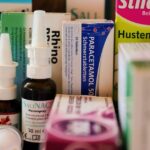
If a fungal cause is suspected, an antifungal cream is the standard treatment. Clotrimazole and miconazole are common options available over the counter. Nystatin is another. These are typically applied to the affected corners two to three times a day.
If bacteria are involved, a topical antibiotic such as mupirocin may be used. Some products combine an antifungal and a mild corticosteroid, which can reduce inflammation while treating the infection. A corticosteroid alone is not appropriate, because it can suppress local immunity and allow an infection to worsen.
Prescription options exist for cases that don’t respond to over-the-counter treatment. A clinician may also take a swab to identify the organism if the diagnosis is unclear or the condition keeps returning.
Step 3: Fix the underlying trigger
If angular cheilitis keeps coming back, the cause is usually something that hasn’t been addressed. This is where a lot of people get stuck, treating the split over and over without ever fixing why it keeps forming.
Dentures that don’t fit well should be checked and adjusted. Nutritional deficiencies should be identified with blood tests and corrected. Blood sugar should be evaluated if diabetes is a possibility. In some cases, a clinician will check for iron, ferritin, vitamin B12, and folate levels.
This step matters more than most people realize. A split that heals in a week but returns every month is not a skincare problem. It is a signal that something else needs attention.
What About Home Remedies?
Some home remedies have a reasonable basis and some do not. It is worth being clear about which is which.
Keeping the area clean and dry is the foundation, and that is not really a remedy so much as basic wound care. Plain petroleum jelly as a barrier is well established and low risk.
Things like applying honey, coconut oil, or various kitchen ingredients have been suggested in popular sources. There is no strong clinical evidence that these treat angular cheilitis, and some — particularly anything sugary — could potentially feed yeast rather than fight it. Honey does have some antimicrobial properties in laboratory studies, but that is not the same as demonstrated clinical benefit for this condition.
Lip balms that contain irritating ingredients, strong flavors, or exfoliants can make the split worse. So can lip products you are allergic or sensitive to. If a product stings or burns, stop using it.
If a split is not improving after about a week of consistent barrier care and antifungal treatment, that is a signal to see a clinician rather than keep trying home remedies.



When Should You See a Doctor?
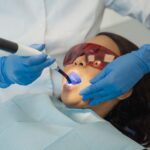
Most simple cases of angular cheilitis respond to treatment within one to two weeks. There are situations where self-treatment is not the right approach.
See a clinician if:
- The split is not improving after one to two weeks of treatment
- It keeps coming back after healing
- There is significant swelling, spreading redness, or pus
- You have diabetes or a condition that affects your immune system
- You have other symptoms such as fatigue, mouth sores, or a sore tongue, which could point to a nutritional deficiency
- The affected area is large, bleeding, or does not look like a typical split
There is an important reason not to ignore a sore at the corner of the mouth that does not heal. A persistent, non-healing lesion can occasionally be something more serious, including certain skin cancers. This is uncommon, but a sore that will not heal after several weeks of appropriate treatment should be examined.
How To Prevent Angular Cheilitis From Coming Back
Prevention comes down to the same factors that cause it: moisture, infection, and underlying health.
Keep the corners of your mouth dry and protected. Use a barrier ointment if you are prone to this. Avoid licking your lips. If you wear dentures, make sure they fit properly and are cleaned regularly. If you wear a retainer or orthodontic appliance, keep it clean and check that it is not causing irritation at the corners.
If you have had recurring episodes, it is worth having your iron, vitamin B12, folate, and blood sugar checked. These are common and treatable contributors. Correcting a deficiency can stop the cycle entirely, which is a far better outcome than treating the same split every few months.
Treat any dry skin or eczema around the mouth gently. Harsh products, frequent exfoliation, and flavored lip products can all weaken the skin barrier and make the corners more vulnerable.
What Makes Angular Cheilitis Hard To Treat?
The main reason angular cheilitis is stubborn is that people treat the symptom and not the cause. A split that is fed by saliva pooling, a yeast overgrowth, and a low iron level will not resolve with lip balm alone.
Another issue is that the infection is often mixed. Yeast and bacteria frequently coexist, so an antifungal alone may not fully clear it. This is why combination treatment is sometimes needed.
Finally, the location works against healing. The corners of the mouth move every time you talk, eat, or smile. A split in a spot that constantly flexes takes longer to close than a cut on a still surface. That is not a sign that treatment is failing — it is just the nature of the location.
Frequently Asked Questions
How long does angular cheilitis take to heal?
With consistent treatment, most cases improve within one to two weeks. If it is not improving after that, or keeps returning, a clinician should evaluate for an underlying cause.
Can I cure angular cheilitis without medication?
Mild cases sometimes resolve with barrier protection and keeping the area dry, but if a fungal or bacterial infection is present, antifungal or antibiotic treatment is usually needed. There is no strong evidence that home remedies alone reliably clear an established infection.
Is angular cheilitis a sign of a vitamin deficiency?
It can be. Low iron, vitamin B12, and folate are associated with recurring angular cheilitis, so persistent cases are often checked with blood tests. Not everyone with angular cheilitis has a deficiency, but it is a common and treatable contributor.
What is the fastest way to get rid of angular cheilitis?
The fastest approach is to treat the infection and stop the moisture at the same time, using an antifungal or antibiotic cream along with a barrier ointment and no lip licking. Treating only one of those usually slows healing.
