
Post nasal drip is that annoying feeling of mucus constantly running down the back of your throat. It makes you clear your throat, cough, and feel like something is stuck. The honest truth is that you cannot always “cure” it instantly, but you can often manage it effectively at home. What works depends entirely on the cause, which is usually allergies, a cold, acid reflux, or dry air. Natural remedies like saline rinses, steam, and hydration address the symptom directly, but stopping the drip for good requires targeting the underlying trigger.
What Actually Causes Post Nasal Drip?
Your nose and throat produce mucus every day. It keeps tissues moist and traps dust and germs. Normally, you swallow this mucus without noticing it. Post nasal drip happens when your body makes too much mucus or when the mucus becomes too thick to drain normally.
The most common causes are straightforward. Allergies trigger inflammation and excess mucus production. A sinus infection or cold does the same thing temporarily. Acid reflux, called LPR or silent reflux, can irritate the throat and cause mucus to pool there. Dry indoor air thickens mucus, making it harder to clear. Some medications, like certain blood pressure drugs, list post nasal drip as a side effect. Pregnancy hormones can also cause nasal congestion and drip.
Less commonly, structural issues like a deviated septum or nasal polyps block drainage. In rare cases, chronic post nasal drip signals a neurological swallowing problem. If your drip is persistent and you have no allergy or cold symptoms, see a doctor to rule out these causes.
How To Cure Post Nasal Drip Naturally What Works Best
There is no single natural cure that works for everyone because the root cause varies. However, the most effective natural approach combines thinning the mucus with clearing the nasal passages. These two actions relieve the drip regardless of whether allergies, a cold, or dryness is driving it.
Saline nasal rinses are the most evidence-backed home remedy. A neti pot or squeeze bottle with sterile saline solution flushes out mucus and irritants from the nasal cavity. Research consistently shows this helps manage symptoms of allergic rhinitis and chronic sinusitis. Use distilled, sterile, or previously boiled water that has cooled. Never use plain tap water in a neti pot because it carries a rare but serious risk of infection.
Steam inhalation is another simple option. Breathing in warm, moist air from a shower or a bowl of hot water helps loosen thick mucus. The effect is temporary, but it can provide meaningful relief for thirty to sixty minutes. A cool-mist humidifier in your bedroom achieves a similar effect over several hours, especially during winter when indoor heating dries out the air.
Hydration matters more than most people realize. Drinking adequate water throughout the day thins mucus from the inside out. Warm liquids like tea or broth are particularly soothing for an irritated throat. Caffeine and alcohol can dehydrate you, so limit those when the drip is bothersome.
Can Diet Changes Stop Post Nasal Drip?
Diet can influence post nasal drip, but only in specific situations. If your drip comes from acid reflux, avoiding trigger foods is directly helpful. Common triggers include spicy foods, fried foods, citrus, tomatoes, chocolate, caffeine, and alcohol. Eating smaller meals and not lying down for three hours after eating also reduces reflux-related drip.
If allergies cause your drip, no specific diet will cure it. Some people report that dairy makes mucus feel thicker and harder to clear. The evidence on this is mixed. Dairy does not increase mucus production, but it can make existing mucus feel more viscous for some people. If you notice this effect, reducing dairy for a few days is a reasonable experiment. If it does not help, there is no reason to avoid it.
Spicy foods have the opposite effect for many people. They thin nasal secretions and can temporarily make the drip worse before it improves. Some research suggests capsaicin, the compound in chili peppers, may help desensitize the nerve endings that trigger nasal symptoms, but this is not a mainstream treatment and the evidence is limited.




What About Honey, Ginger, and Herbal Remedies?
Honey is one of the most researched natural remedies for throat irritation. Studies have found it can be as effective as some over-the-counter cough suppressants for nighttime cough. For post nasal drip, honey does not stop mucus production. It coats and soothes an irritated throat, which reduces the urge to cough and clear your throat. A spoonful of honey in warm water or tea is a reasonable addition to your routine. Do not give honey to children under one year old due to the risk of infant botulism.
Ginger has anti-inflammatory properties, but no solid evidence confirms it reduces post nasal drip specifically. It can soothe an upset stomach, which matters if reflux is part of the problem. Ginger tea is safe for most adults, but high doses can cause heartburn in some people.
Herbal supplements like butterbur and quercetin have been studied for allergies. Butterbur shows some promise for allergic rhinitis, but it must be processed correctly to remove liver-toxic compounds. Quercetin, a plant flavonoid, has shown anti-allergy effects in laboratory studies, but human trials are limited. Neither has strong enough evidence to recommend as a primary treatment. If you try them, tell your doctor, especially if you take other medications.
Nasal Sprays and Over-the-Counter Options
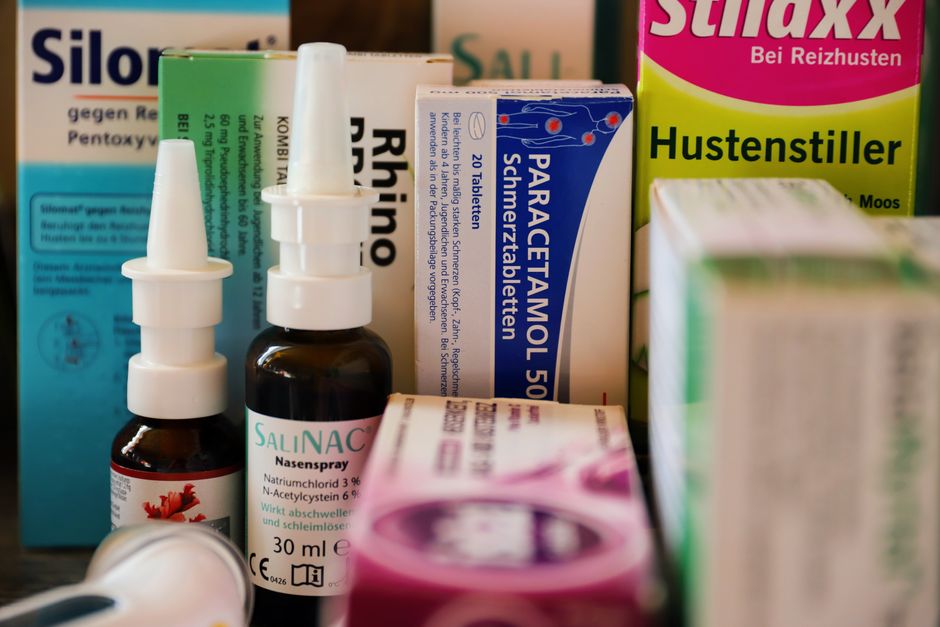
Some natural approaches overlap with over-the-counter products. Saline nasal sprays are essentially a convenient form of the rinse mentioned earlier. They are safe to use daily and help keep nasal passages moist.
Neti pot rinses can be enhanced with a small amount of saline solution. Some people add a tiny pinch of baking soda to reduce irritation, but plain saline is sufficient for most. Never add essential oils directly to a nasal rinse. They can burn the delicate nasal lining and cause serious irritation.
If allergies are the clear cause, an antihistamine may be necessary. Natural options like stinging nettle have some traditional use for allergies, but clinical evidence is weak. A second-generation antihistamine like cetirizine or loratadine is well studied and generally well tolerated. These do not require a prescription and are often more reliable than herbal alternatives for allergic post nasal drip.
When Post Nasal Drip Requires a Doctor
Home remedies work best for acute, short-term post nasal drip from a cold or seasonal allergies. If the drip persists for more than three weeks despite consistent home management, medical evaluation is appropriate. A doctor can determine whether you have chronic sinusitis, nasal polyps, or reflux that needs prescription treatment.
Seek prompt medical attention if you have post nasal drip along with any of these warning signs: thick green or yellow mucus lasting more than ten days, fever, facial pain or pressure, blood in your nasal discharge, or difficulty breathing. These symptoms may indicate a bacterial sinus infection that requires antibiotics. Post nasal drip alone is rarely an emergency, but combined with these signs it should not be ignored.
If you have tried natural remedies for several weeks without improvement, do not assume you just need to wait longer. Chronic post nasal drip can significantly affect sleep quality and daily comfort. Persistent throat clearing can also damage your vocal cords over time. A doctor can offer treatments like prescription nasal steroid sprays, which reduce inflammation at the source, or acid-blocking medications if reflux is the culprit.
Frequently Asked Questions
How long does post nasal drip last?
Post nasal drip from a cold usually resolves within one to two weeks. If it lasts longer than three weeks, it is likely related to allergies, reflux, or another chronic condition that needs targeted treatment.
Does drinking more water stop post nasal drip?
Drinking water thins mucus, which makes it easier to clear and less noticeable. It does not stop the underlying mucus production, but adequate hydration is a necessary part of managing the symptom.
Is a neti pot safe to use every day?
Yes, a neti pot is safe for daily use when you use sterile, distilled, or previously boiled water. Do not use untreated tap water, and clean the device thoroughly after each use to prevent bacterial growth.
Can post nasal drip cause bad breath?
Yes, post nasal drip can cause bad breath because the excess mucus drains into the back of the throat where bacteria break it down. Treating the underlying drip usually improves the breath odor.
