
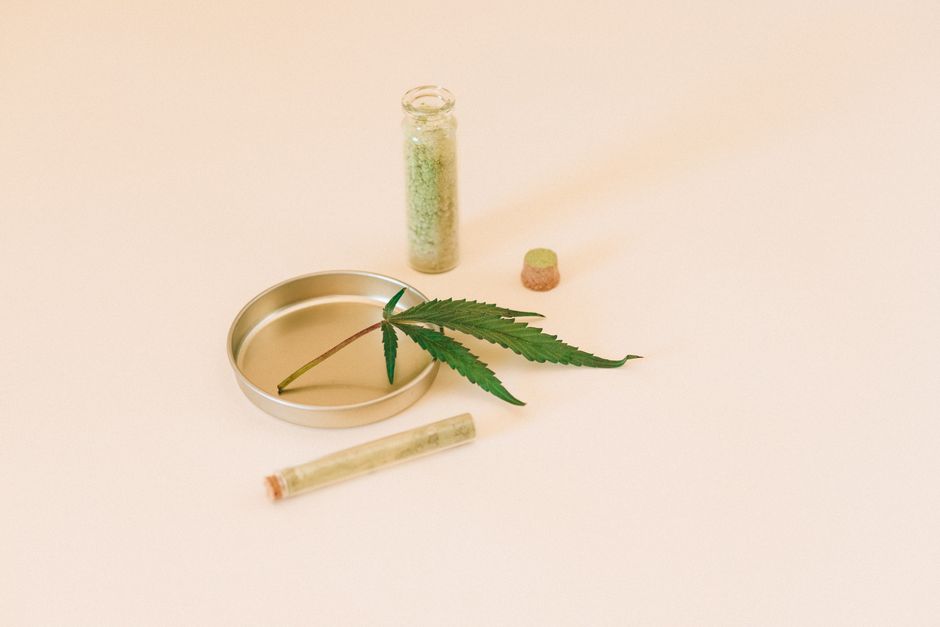
A “high” from cannabis can feel overwhelming, especially if you are not expecting it or took more than you intended. The most direct answer is that you cannot instantly stop the effects, but you can reduce the discomfort and wait for your body to process the THC. The feeling is temporary and will pass, usually within a few hours, and certain practical steps can make that time much more manageable.
What Actually Happens When You Are Too High?
THC binds to receptors in your brain, which changes how you perceive time, sensation, and your own thoughts. When you consume too much, these effects become intense. Anxiety, paranoia, a racing heart, and dizziness are common signs of overconsumption.
Your body metabolizes THC through the liver. Edibles take longer to kick in and last much longer than smoked cannabis because the liver converts THC into a more potent form. This is why a bad edible experience can feel like it lasts for hours. Nothing you do will speed up your liver’s processing time, but you can address the symptoms that make the experience unpleasant.
The key is to remember that the feeling is temporary. You are not in medical danger in most cases, even though it can feel that way. The panic is a psychological response to the drug, not a sign of a physical emergency.
What Is the Fastest Way to Calm the Effects?
There is no medication that reverses a cannabis high. The fastest way to reduce the distress is to manage your nervous system and distract your brain from the intense internal focus.
Lie down in a quiet, dimly lit room. Close your eyes and focus on slow, deep breathing. Breathe in for four counts, hold for four counts, and exhale for four counts. This activates your parasympathetic nervous system, which helps lower your heart rate and signals to your brain that you are safe.
Cold water can help. Splash it on your face or hold a cold pack against your neck and wrists. The shock of cold temperature can briefly interrupt the cycle of anxious thoughts and ground you in physical sensation.
If you are with someone, tell them you are feeling overwhelmed. Having a calm, sober person reassure you that you are safe and that the feeling will pass is one of the most effective interventions available.
Does Black Pepper or CBD Actually Help?
Some people report that smelling or chewing black peppercorns helps reduce cannabis-induced anxiety. There is a plausible reason for this. Black pepper contains a compound called caryophyllene, which interacts with the same receptor system that THC affects, specifically the CB2 receptor. Some research suggests this may have a calming effect, but large clinical trials have not confirmed this as a reliable treatment.
CBD is a different story. CBD can interact with THC at the same receptor sites and may reduce some of THC’s psychoactive effects. If you have CBD available, taking it may help take the edge off. The evidence here is limited, and it works better for some people than others. It is worth trying if you have it, but do not expect it to be a guaranteed cure.
Neither of these options will eliminate the high. They might reduce the anxiety enough to make the experience tolerable. If you feel worse after trying them, stop and return to the basics of lying down and breathing slowly.



Should You Eat or Drink Something?
Eating a light snack can help. Food does not absorb THC from your bloodstream, but it can stabilize your blood sugar, which may be dropping if you have not eaten in a while. Low blood sugar can mimic or worsen feelings of anxiety and shakiness, so a simple snack like crackers, toast, or fruit can help you feel physically steadier.
Drinking water is important, especially if you feel dizzy or have a dry mouth. Dehydration can amplify the physical discomfort of a high. Avoid alcohol and caffeine. Alcohol can intensify the sedative and anxiety effects, and caffeine can make a racing heart feel even worse.
Do not try to “sober up” by eating a heavy meal. A large meal can make you feel sluggish and nauseous, which is the opposite of what you need. Keep it light and simple.
When Should You Seek Medical Help?
Cannabis highs are rarely a medical emergency, but there are exceptions. If you experience severe chest pain, difficulty breathing, fainting, or uncontrollable vomiting, you should seek medical attention. These symptoms are not typical of a simple high and should be evaluated by a professional.
Another reason to seek help is if the anxiety becomes unmanageable and you feel like you might harm yourself or someone else. Emergency departments can provide sedative medications to calm you down if the anxiety is severe. This is not common, but it happens, and there is no shame in getting help if you need it.
If you have a pre-existing heart condition or are taking medications that interact with cannabis, you should be more cautious. The combination of a rapid heart rate and anxiety can be more dangerous for these individuals. When in doubt, call a healthcare provider or poison control for guidance.
How Long Does the High Last?
Smoked or vaped cannabis typically peaks within 30 minutes and noticeably fades within two to three hours. Edibles follow a different timeline. They can take anywhere from 30 minutes to two hours to kick in, and the peak effects can last for several hours. A strong edible high can last six hours or longer.
The duration depends on your body weight, metabolism, how much you consumed, and whether you ate beforehand. There is no way to predict exactly how long your high will last. The best approach is to accept that it will last a while and focus on making yourself comfortable in the meantime.
Sleep is often the best way to end the experience. If you can close your eyes and rest, you will likely wake up feeling much closer to normal. Even if you cannot sleep, resting with your eyes closed in a dark room helps your brain settle.
What Not to Do When You Are Too High
- Do not drive. THC impairs reaction time and judgment. You should not operate a vehicle until you feel completely normal, which may be several hours later.
- Do not take more cannabis. Adding more THC will only prolong the experience and may make the anxiety worse.
- Do not take sedatives or sleeping pills. Combining these with THC can lead to dangerous respiratory depression. Only take medication that a doctor has specifically prescribed or recommended for this situation.
- Do not panic. Panic feeds the anxiety. Remind yourself that this is temporary and that millions of people have experienced the same feeling and recovered fully.
Can You Prevent This From Happening Again?
The most reliable prevention is to consume less. If you smoke or vape, take one or two puffs and wait at least 15 minutes before deciding whether to take more. The full effect is not immediate, and many people overconsume because they do not wait long enough.
For edibles, the rule is even more important. Start with a low dose, typically 2.5 to 5 milligrams of THC, and wait at least two hours before taking more. Edibles are unpredictable because the onset is slow and the effects are stronger. Many bad experiences come from people eating more because they felt nothing after 30 minutes.
Know your tolerance. If you do not use cannabis regularly, your tolerance is low. What feels like a reasonable amount for a daily user can be overwhelming for someone who only uses occasionally. Be honest with yourself about your experience level and choose your dose accordingly.
Frequently Asked Questions
Can drinking water flush out THC faster?
No, water does not speed up how quickly your body clears THC. Staying hydrated can help with dry mouth and dizziness, but the high will only end when your liver finishes processing the drug.
Does vomiting help get rid of a high?
Vomiting only helps if you consumed the cannabis very recently, within the past hour, and it has not been fully absorbed. If you are already feeling the full effects, vomiting will not reduce the high and may make you feel worse from dehydration and nausea.
Is it safe to take a shower when you are too high?
A lukewarm shower can be calming, but a hot shower may increase your heart rate and make you feel dizzy or faint. If you do shower, keep the water cool or lukewarm and have someone nearby in case you feel unsteady.
Can a high blood pressure reading during a high be dangerous?
THC can temporarily raise your heart rate and blood pressure, and this is usually not dangerous for healthy people. If you have a history of high blood pressure or heart disease, monitor your symptoms closely and seek medical advice if you feel chest pain or severe shortness of breath.
