
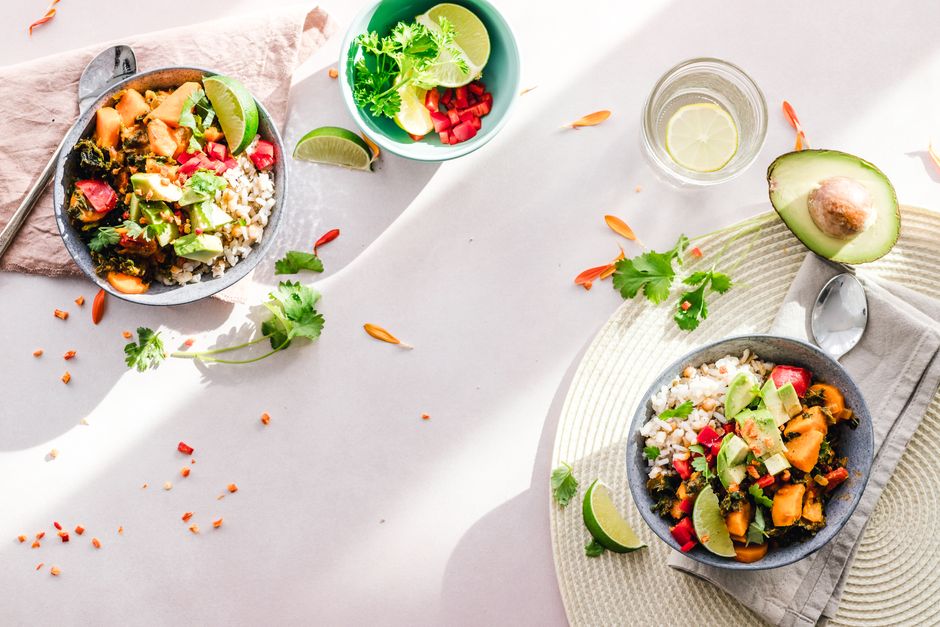
Rice is a staple food for more than half of the world’s population, and for good reason. It is affordable, versatile, and easy to prepare. If you are watching your carbohydrate intake, you have probably wondered where rice fits into your diet. The simple answer is yes, rice is high in carbohydrates. A standard serving of cooked white rice contains roughly 45 grams of carbs per cup. This makes it a significant source of energy, but it also means you need to be mindful of portion sizes if you are managing blood sugar or following a low-carb eating plan.
How Many Carbs Are Actually in Rice?
The exact carb count depends on the type of rice and how it is cooked. Brown rice and white rice have similar carbohydrate content. The main difference is the fiber and nutrient content, not the total carbs.
For a standard cooked cup (about 158 grams), the carbohydrate breakdown is fairly consistent across varieties. White rice delivers about 45 grams of carbs, while brown rice delivers about 46 grams. Wild rice, which is technically a grass, comes in slightly lower at around 35 grams per cup. These numbers represent the total carbohydrates, which include starch, sugar, and fiber.
It is important to note that rice contains almost no sugar. The carbs in rice are mostly starch, which the body breaks down into glucose during digestion. This is why rice can raise blood sugar levels relatively quickly compared to foods higher in fiber or protein.
White Rice vs. Brown Rice: What Is the Real Difference?
People often assume brown rice is much lower in carbs than white rice. That is not accurate. The carb counts are nearly identical. The real differences are in fiber, vitamins, and how quickly the body digests them.
Brown rice is a whole grain. It still has the bran and germ layers intact, which contain fiber, magnesium, and B vitamins. White rice has had those layers removed through milling. This process gives white rice a softer texture and longer shelf life, but it also strips away much of the fiber and nutrients.
Because brown rice has more fiber, it digests more slowly. This means a gentler rise in blood sugar after eating. White rice digests faster and can cause a quicker spike. However, the total carbohydrate load is essentially the same. Swapping white for brown rice does not reduce your carb intake meaningfully, but it may help with blood sugar management over time.
Does Cooking Method Change the Carb Content?
Cooking method does not change the number of carbs in rice. A cup of cooked rice has the same amount of carbohydrate whether it is boiled, steamed, or made in a rice cooker. What changes is the water content and volume.
One cup of uncooked rice contains about 150 grams of carbs. When cooked, rice absorbs water and expands. That same amount of dry rice becomes roughly three cups of cooked rice. So the carb concentration per cup drops, but the total carbs in the batch remain identical.
There is a technique called “cooling” that some people use to alter how rice affects blood sugar. When cooked rice is cooled in the refrigerator, some of the starch converts into resistant starch. Resistant starch acts more like fiber, meaning it is not fully digested and absorbed. This process reduces the available carbs slightly. Reheating the rice does not completely undo this effect. Some research suggests this can help blunt blood sugar spikes, but it does not make rice a low-carb food. The effect is modest and should not be treated as a way to eat unlimited rice.
How Does Rice Compare to Other Carb Sources?
To understand where rice fits, it helps to compare it to other common foods. The table below shows approximate carbohydrate counts for a standard serving of various staples.
| Food | Serving Size | Total Carbs |
|---|---|---|
| White rice (cooked) | 1 cup | 45 g |
| Brown rice (cooked) | 1 cup | 46 g |
| Quinoa (cooked) | 1 cup | 39 g |
| Pasta (cooked) | 1 cup | 43 g |
| Potato (baked with skin) | 1 medium | 37 g |
| Sweet potato (baked) | 1 medium | 24 g |
| Oatmeal (cooked) | 1 cup | 27 g |
Rice is not uniquely high in carbs compared to pasta or bread. It is roughly in line with other grain-based staples. What matters most is portion size. A typical restaurant serving of rice can easily be two cups, which doubles the carb load to around 90 grams.
Is Rice Bad for Blood Sugar?
Rice has a high glycemic index, especially white rice. The glycemic index measures how quickly a food raises blood sugar compared to pure glucose. White rice typically scores in the high range, while brown rice scores in the medium range. This does not mean rice is toxic or forbidden. It means the body converts it into glucose quickly.
For people with diabetes or prediabetes, this matters. Eating large portions of white rice can cause a rapid rise in blood sugar. Some studies have linked regular consumption of white rice to a higher risk of developing type 2 diabetes, particularly in Asian populations where rice is eaten in large amounts daily. The evidence is observational, meaning it shows an association, not a proven cause.
Portion control is the most practical strategy. A serving of cooked rice is about one-third to one-half cup for someone actively managing blood sugar. Pairing rice with protein, healthy fats, and vegetables can also slow digestion and reduce the blood sugar spike. Adding chicken, beans, or a salad to a rice meal changes how the body processes the meal as a whole.
Can You Eat Rice on a Low-Carb Diet?
Strict low-carb diets like keto typically allow only 20 to 50 grams of carbs per day. A single cup of rice would consume nearly the entire daily allowance. For this reason, rice is generally not compatible with a strict ketogenic diet.
More moderate low-carb plans may allow small portions of rice occasionally. A half-cup serving provides about 22 grams of carbs. This can fit into a daily budget of 100 grams of carbs, but it leaves little room for other carb sources like vegetables, fruits, or dairy.
There are alternatives marketed as low-carb rice. Cauliflower rice is the most common. It provides about 5 grams of carbs per cup and has a texture that works well in stir-fries and bowls. Shirataki rice, made from konjac root, contains almost no digestible carbs. These are practical substitutes, but they do not taste or cook exactly like real rice.
What About Rice and Weight Management?
Rice is calorie-dense relative to vegetables but not inherently fattening. Weight gain happens when total calorie intake exceeds what the body burns. Rice can contribute to that if portions are large or if meals are built around rice rather than vegetables and protein.
One cup of cooked white rice has about 200 calories. Brown rice has slightly more, around 215 calories per cup, due to its higher fat and fiber content. These numbers are moderate. The issue is that rice is easy to overeat. A plate of rice with a small portion of curry can quickly become a meal that is mostly starch.
Building meals with a balanced plate approach helps. Aim for half the plate filled with non-starchy vegetables, a quarter with protein, and a quarter with rice or another grain. This naturally controls portion size without requiring strict measuring.
Frequently Asked Questions
Is rice higher in carbs than bread?
No, they are similar. One slice of white bread contains about 15 grams of carbs, while one cup of cooked rice contains about 45 grams. By weight, rice is more carb-dense, but a typical serving of bread and rice differ in size.
Does rinsing rice remove carbs?
No. Rinsing removes surface starch and some debris, but it does not significantly change the carbohydrate content of the cooked rice.
Is basmati rice lower in carbs than regular white rice?
Basmati rice has a similar total carb count to other white rice varieties. It does have a lower glycemic index than some short-grain white rices, meaning it may cause a slower blood sugar rise.
Can I eat rice if I have diabetes?
Yes, but portion size matters. A third to half a cup of cooked rice paired with protein and vegetables can fit into many diabetes meal plans. Testing blood sugar after meals can help you understand how rice affects you personally.
