
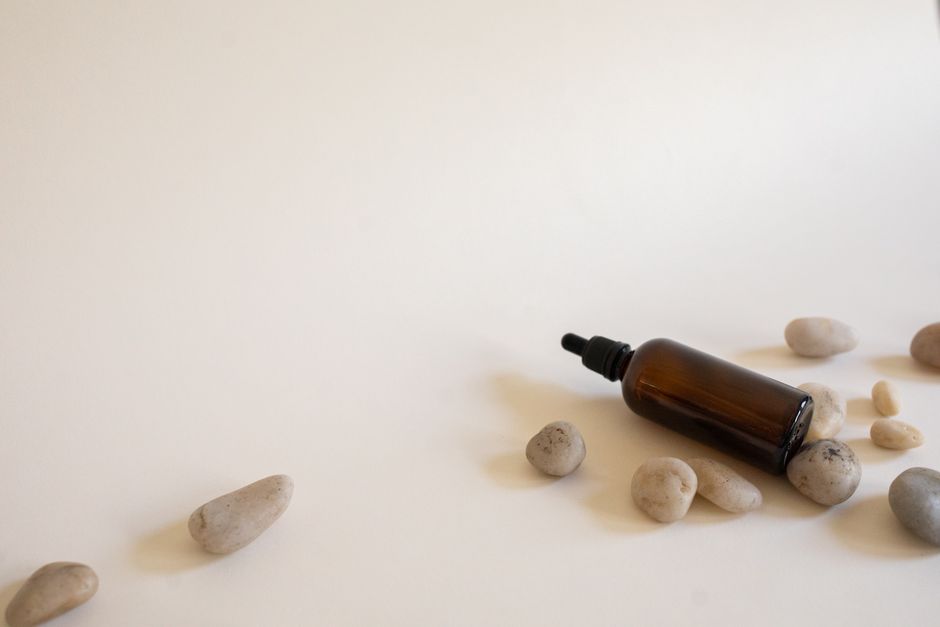
A pebble tray is a shallow dish filled with water and pebbles that creates a small pocket of humid air around your plant. To make one for your calathea, place a layer of pebbles in a tray wider than the pot, add water until it just reaches below the top of the pebbles, and set the pot on top so it never touches the water. This simple setup helps counteract the dry indoor air that causes calathea leaves to brown and curl at the edges.
Why Do Calatheas Need Extra Humidity?
Calatheas are native to the understory of tropical rainforests in the Americas. In those environments, they grow beneath dense canopy cover where humidity regularly stays above 60 percent. Your home, by contrast, likely sits between 30 and 50 percent humidity, especially during winter when heating systems dry the air.
Calathea leaves have large surface areas and thin cuticles. That structure means they lose water quickly when the air is dry. The plant responds by pulling moisture from its leaf edges, which causes the characteristic brown, crispy tips that frustrate many owners.
Humidity matters for calatheas because it slows water loss from the leaves. When the air around the plant holds more moisture, the plant does not have to work as hard to keep its cells hydrated. This is basic plant physiology, not a marketing claim.
What You Need To Build A Pebble Tray
You need only three items, and you likely own most of them already.
- A tray, saucer, or shallow dish that is wider than the pot’s base
- Pebbles, stones, or glass beads that are at least 1 to 2 centimeters in diameter
- Clean, room-temperature water
The tray should be waterproof. A plastic plant saucer works well, as does a ceramic dish or a baking pan you no longer use for food. The key requirement is that the tray is wider than the pot so the humid air rises around the entire plant rather than just one side.
Pebble size matters more than you might think. Small gravel packs too tightly and leaves little surface area for water to evaporate. Larger stones create air gaps between them, which increases the evaporation surface and makes the tray more effective.
How To Create A Pebble Tray For Calathea Humidity
Fill the tray with a single layer of pebbles. One layer is enough — stacking pebbles higher does not increase humidity and makes the setup unstable.
Pour water into the tray until it reaches roughly halfway up the pebbles. The water level should sit below the top surface of the stones. This is the most common mistake people make: they add too much water, and the pot base ends up sitting in water.
Place the calathea pot on top of the pebbles. The pot’s drainage holes must stay above the water line. If the pot sits in water, the soil wicks moisture upward and keeps the roots saturated. Over time, this leads to root rot, which is a far more serious problem than dry air.
Check the water level every few days. In a warm room, the water evaporates within three to five days. Refill as needed, always keeping the water below the top of the pebbles.




How Much Humidity Does A Pebble Tray Actually Add?
This is where the honest answer matters. A pebble tray does not humidify the entire room. It creates a microclimate directly around the plant.
Research on pebble trays is limited, but the physics is straightforward. Water evaporates from the tray surface, and that moisture stays concentrated in the air immediately above the tray. Measurements in home settings typically show a 5 to 10 percent increase in relative humidity within a few inches of the tray surface. Farther away, the effect fades quickly.
That localized increase is often enough for a calathea. The plant’s leaves sit within that humid zone, so it benefits even though the rest of the room remains dry. If your calathea sits on a shelf or table, the pebble tray directly beneath it puts the humidity where the plant needs it.
For a room-level solution, you would need a humidifier. A pebble tray is not a substitute for one if your home consistently sits below 40 percent humidity. It is a low-cost, low-maintenance option that works well for a single plant or a small cluster of plants grouped together.
Common Mistakes That Make Pebble Trays Ineffective
The biggest mistake is letting the pot touch the water. This defeats the purpose and harms the plant. The tray’s job is to create humid air, not to water the plant from below.
Another frequent error is using a tray that is too small. If the tray is barely wider than the pot, the evaporation surface is tiny, and the humidity boost is negligible. Choose a tray that extends at least 2 to 3 inches beyond the pot on all sides.
Some people place the pebble tray near a heat source or in direct sunlight to speed evaporation. This backfires. Heat and direct sun stress the calathea, which prefers bright, indirect light and stable temperatures. The faster evaporation does not compensate for the added stress.
Finally, do not let the water sit for weeks. Stagnant water can breed mosquitoes indoors, especially in warmer months. Empty and refresh the tray weekly, and rinse the pebbles occasionally to prevent mineral buildup from tap water.
Does The Type Of Water Matter?
Yes. Calatheas are sensitive to minerals and chemicals in tap water. Many municipalities add chlorine and fluoride, and hard water contains dissolved calcium and magnesium. These compounds accumulate in the soil and can cause leaf tip burn, which looks similar to the damage caused by low humidity.
For the pebble tray itself, tap water is fine because the minerals stay in the tray. But if you also water the plant with tap water, you may see brown edges even with perfect humidity. Consider using filtered water, rainwater, or water that has sat out overnight to allow chlorine to dissipate.
Distilled water is the safest choice for both watering and the pebble tray, though it adds cost. If your tap water is very hard, switching to distilled or filtered water for the plant may resolve leaf tip issues that a pebble tray alone cannot fix.
Are Pebble Trays Enough For A Calathea?
For many homes, yes. If your indoor humidity stays around 45 to 50 percent, a pebble tray often provides the small boost a calathea needs to keep its leaves healthy.
If your home is drier than that — common in winter or in arid climates — a pebble tray may not be sufficient. In that case, combine it with other strategies. Group plants together so they share humidity. Move the calathea away from heating vents and drafty windows. Run a humidifier in the room during the driest months.
Some growers also place calatheas in naturally humid rooms like bathrooms. If the bathroom has a window for light, this can be an effective alternative to a pebble tray.
Watch the plant for signs that your humidity strategy is working. New leaves should unfurl without brown edges. Existing leaves should stop developing new crispy tips. If you still see browning after a few weeks with a pebble tray, the issue may be water quality, not humidity.
Signs Your Calathea Needs More Humidity
Leaf curling is the earliest sign. Calathea leaves roll inward along their length when the air is too dry. This reduces the leaf surface exposed to dry air, which slows water loss.
Brown leaf edges and tips follow if the dryness continues. The browning starts at the margins and progresses inward. In severe cases, the leaf may become entirely crispy and die.
Slow growth and leaves that do not unfurl fully can also indicate low humidity. Calatheas are not fast growers, but they should produce new leaves regularly during the growing season. If new leaves emerge stunted or with brown patches, humidity is a likely culprit.
These same symptoms can also come from overwatering, underwatering, or mineral buildup in the soil. If you add a pebble tray and see no improvement, examine your watering routine and water quality before assuming humidity is the only issue.
Frequently Asked Questions
How often should I refill a pebble tray?
Check the water level every three to five days and refill as needed. In warm or dry rooms, evaporation happens faster, so you may need to top it off more frequently.
Can the calathea pot sit directly on the pebbles?
Yes, the pot can rest on the pebbles as long as it does not touch the water. The pebbles keep the pot elevated above the water line while allowing humid air to rise around the plant.
Do pebble trays prevent brown leaf tips on calatheas?
Pebble trays help by raising local humidity, but brown tips can also come from tap water minerals or inconsistent watering. If tips stay brown despite a pebble tray, check your water quality and moisture routine.
How long does a pebble tray take to show results?
You may notice less leaf curling within a week or two. Existing brown damage will not heal, but new growth should come in cleaner if humidity and water quality are adequate.
