
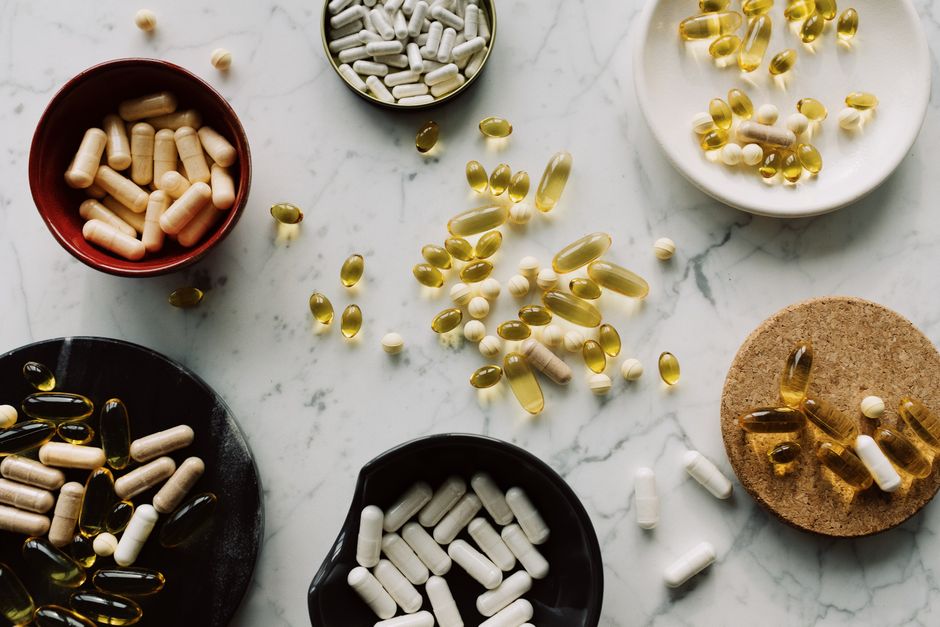
If you have taken too many probiotics, the first step is to stop taking them. Most healthy adults who overdo it get mild gas, bloating, or loose stools that settle within a few days once they stop. Drink water, eat normally, and watch your symptoms. If you have a weakened immune system, a central line, or a serious illness and you develop fever, chills, or severe abdominal pain, seek medical care right away.
Probiotics are live microorganisms. That is the whole point of them, and it is also why “too much” is not the same as taking an extra vitamin. The effects depend on the strains, the dose, your immune status, and your gut. More is not automatically better, and in some people it is clearly worse.
How To Counteract Too Much Probiotics Safely
Stop the supplement. That single step resolves most cases. Probiotics are not a drug your body has to clear from a receptor. They are living organisms passing through your digestive tract, and once you stop feeding the supply, populations generally return toward your baseline over days to a few weeks.
Support your gut while it settles:
- Drink water steadily through the day. Loose stools lose fluid and electrolytes.
- Eat normal meals if you can tolerate them. There is no evidence that fasting speeds recovery.
- Go easy on very high-fiber and very high-sugar foods for a day or two if you are bloated. This is comfort, not treatment.
- Skip alcohol and heavy caffeine until your stomach settles.
- Do not add a second probiotic, a “detox,” or a cleanse to fix the first one.
If you take a probiotic because you are on antibiotics, talk to your clinician before stopping. The decision depends on why you started it in the first place.
What Actually Happens When You Take Too Many Probiotics?
The most common outcome is gastrointestinal discomfort. Extra live bacteria ferment in the gut and produce gas. That can mean bloating, cramping, flatulence, and looser stools. This is the reaction most people are feeling when they say they took “too many.”
A less obvious point: many probiotic side effects are not from the bacteria at all. They come from the other ingredients in the capsule or powder. Prebiotic fibers, inulin, sorbitol, and lactose are common fillers, and each can cause gas or diarrhea on its own. If your symptoms started with a new brand, the filler may be the culprit rather than the organisms.
There is also a real, if uncommon, category of harm. In people who are severely immunocompromised, live bacteria from supplements have in rare cases caused bloodstream infections. This is why the risk profile is not the same for everyone. For a healthy adult, a bad few days is the usual worst case. For someone with a compromised immune system, the stakes are different.
Who Is at Higher Risk From Probiotic Overuse?
Risk is not evenly distributed. The people who need the most caution are those whose immune defenses or gut barriers are already compromised.
- People with weakened immune systems from illness or immune-suppressing treatment
- Critically ill patients, especially in intensive care
- People with a central venous catheter or other indwelling medical line
- Premature infants and seriously ill newborns
- People with short bowel syndrome or significant structural gut problems
- People recovering from major abdominal surgery
For these groups, probiotic use should be a decision made with a clinician, not a self-directed one. Several professional and regulatory bodies have flagged these populations as needing extra caution with live products. If you fall into one of these categories and you have taken too many, do not wait for symptoms to pass on their own. Contact your care team.





What Symptoms Mean You Should See a Doctor?
Most probiotic-related discomfort is mild and short-lived. Some signs should not be managed at home.
Get medical help promptly if you have:
- Fever, especially with chills or sweats
- Severe or worsening abdominal pain
- Blood in your stool or black, tarry stools
- Signs of dehydration such as dizziness, very dark urine, or not urinating much
- Persistent vomiting or inability to keep fluids down
- Diarrhea lasting more than a couple of days, or any diarrhea in a high-risk person
These symptoms do not prove the probiotic caused a problem. That is exactly why they need evaluation. A clinician can sort out whether this is a passing reaction, an unrelated infection, or something that needs treatment.
Does Stopping Probiotics Cause Problems of Its Own?
No. Your gut has its own microbial community that re-establishes itself. Stopping a supplement does not create a deficiency the way stopping some medications can.
Some people notice a return of the symptoms they were originally trying to treat, such as irregular digestion. That is a return to baseline, not a withdrawal effect. It can feel confusing, but it is not a sign your body now depends on the supplement.
There is an honest caveat here. The research on probiotics is genuinely mixed. Some studies show benefit for specific conditions like antibiotic-associated diarrhea. Many other claims, including general “gut health” and immune support, rest on weaker evidence. That matters when you are deciding whether a supplement is worth the trouble in the first place.
How Long Do Probiotic Side Effects Last?
For most healthy people, symptoms ease within a few days of stopping. Some cases take one to two weeks as the gut community shifts back. There is no single timeline that fits everyone, because it depends on the dose, the strains, and your starting gut.
If symptoms are not improving after about a week, or if they are getting worse at any point, that is a reason to check in with a clinician rather than keep waiting.
Can You “Reset” Your Gut After Taking Too Many?
There is no reset button, and no product that reliably restores a specific gut composition. Be skeptical of anything marketed that way.
What actually helps is unglamorous. Eat a varied diet with fiber from different plant sources. Get regular sleep. Move your body. These support a diverse gut community over time. They will not undo a bad week of supplements overnight, and no honest source will claim they will.
If you want to try probiotics again later, the sensible approach is a lower dose, a single product rather than several stacked together, and a clear reason for taking it. Give it a few weeks and judge by how you feel, not by how it is advertised.
What About Probiotics in Food Versus Supplements?
Fermented foods like yogurt, kefir, and sauerkraut contain live cultures, but usually in smaller and more variable amounts than a concentrated supplement. Overdoing yogurt is unlikely to cause the same load as swallowing several capsules of a high-count product.
That said, “food” does not automatically mean “no effect.” If you are sensitive to dairy or to fermented foods, a large serving can still cause gas or loose stools. The same principle applies: if something bothers you, cut back and see if it settles.
How Can You Avoid This Next Time?
Start low and go slow. If a product suggests a certain dose, there is no benefit to exceeding it, and there is a real chance of more side effects. Taking several different probiotic products at once stacks both the organisms and the fillers, which makes any reaction harder to trace.
Keep it simple:
- Take one product at a time
- Follow the label dose rather than doubling up
- Introduce it gradually and note how you feel
- Stop if it causes clear discomfort
- Check with a clinician first if you are in a higher-risk group
The honest bottom line is that probiotics are not risk-free, but for most healthy people the risks are mild and reversible. The people who need to be most careful are the ones whose immune systems or gut barriers are already under strain. If that is you, treat a probiotic like any other medical decision and make it with your care team.
Frequently Asked Questions
How do you flush out too many probiotics?
You do not need to flush them out. Stop taking the supplement and let your gut return to baseline over days to a few weeks while you stay hydrated.
How long do side effects from too many probiotics last?
For most healthy adults, symptoms ease within a few days of stopping, though some cases take one to two weeks. See a clinician if symptoms worsen or do not improve after about a week.
Can too many probiotics make you sick?
In healthy people, the usual effect is gas, bloating, or loose stools rather than true illness. In people with weakened immune systems, rare but serious bloodstream infections have been reported, so those groups should get medical advice.
Should I take activated charcoal or a cleanse to fix it?
No. There is no evidence that charcoal or cleanses help with probiotic overuse, and they can cause their own side effects such as constipation or nutrient loss.
