
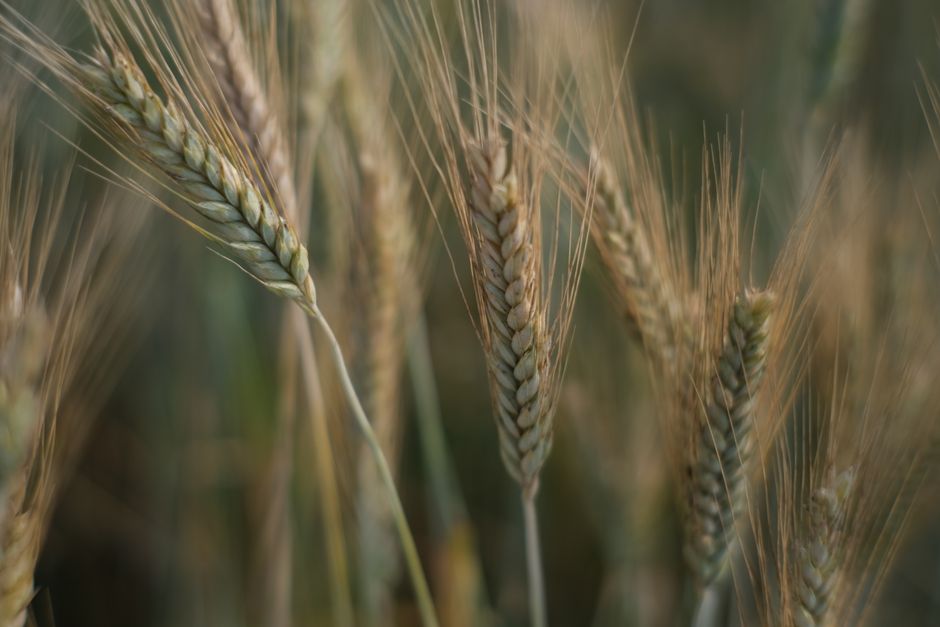
If you have been gluten-free for a while, the thought of eating bread again can feel risky. Your body may have lost the enzymes needed to break down gluten efficiently, and your gut bacteria have shifted. Reintroducing gluten safely means going slowly, starting with tiny amounts, and paying close attention to how your body reacts over several weeks. It is not a race, and for some people, it will not work at all—but for others, a careful reintroduction can help you figure out whether you truly need to avoid gluten long-term.
Why Reintroducing Gluten Is Hard After Going Gluten-Free
When you stop eating gluten, your small intestine stops producing as much of the enzymes needed to digest it. Your gut lining may also become less tolerant of the specific proteins found in wheat, barley, and rye. This is a normal adaptation, not a sign that you have celiac disease.
For most people, the digestive system can rebuild these enzymes over time. But the process takes patience. If you try to eat a full slice of bread on day one, you will likely feel bloated, gassy, or nauseated—even if you have no underlying gluten sensitivity. That reaction does not necessarily mean you are gluten-intolerant; it may just mean your gut needs time to adjust.
There is an important distinction here. If you have been diagnosed with celiac disease by a doctor, this article is not for you. For celiac patients, gluten is not a matter of tolerance—it triggers an autoimmune reaction that damages the small intestine. No gradual reintroduction changes that. If you suspect celiac disease but have never been tested, talk to your doctor before attempting any reintroduction.
What Are the First Signs That Gluten Reintroduction Is Working?
When you reintroduce gluten gradually, you are looking for two outcomes. First, you want to see whether you can eat small amounts without symptoms. Second, you want to observe whether any symptoms appear hours or days later.
Common reactions to watch for include bloating, abdominal pain, diarrhea, constipation, brain fog, fatigue, headaches, and skin changes. These symptoms can appear within 30 minutes or take up to 72 hours to show. Keep a simple food diary during the reintroduction period. Write down what you ate, how much, and how you felt over the next few days.
A symptom-free response after several weeks of gradual reintroduction suggests your gut has adapted and you may tolerate gluten in normal amounts. A reaction at any point—even a mild one—means your body is telling you something. That is useful information, even if it is not the answer you wanted.
How Long Should the Gluten Reintroduction Process Take?
Plan for at least four to six weeks. This is not a weekend experiment. Your gut needs time to rebuild enzymes, and your immune system needs time to settle down if it has been reacting to something else.
Here is a general timeline that many clinicians suggest, though no official clinical guidelines exist for gluten reintroduction in non-celiac individuals:
- Week 1: Eat a pea-sized amount of bread or pasta once every other day. That is roughly one-eighth of a teaspoon of wheat flour.
- Week 2: Increase to one teaspoon of wheat-based food every other day.
- Week 3: Add one small cracker or one bite of bread daily.
- Week 4: Work up to one-quarter slice of bread daily.
- Week 5: Try half a slice of bread daily.
- Week 6: Attempt one full slice of bread or one small serving of pasta.
If symptoms appear at any stage, stop and return to the last level you tolerated. Wait until symptoms fully resolve before trying again. If symptoms return at the same stage twice, that is strong evidence your body does not handle gluten well.





What Foods Are Best to Start With When Reintroducing Gluten?
Sourdough bread is often the easiest first choice. The fermentation process partially breaks down gluten proteins, making them easier to digest. Traditional sourdough—not commercial bread labeled sourdough—contains live cultures that predigest some of the gluten.
Plain wheat pasta is another reasonable starting point because it has a simple ingredient list. Avoid starting with heavily processed wheat products like pastries, pizza, or commercial sandwich bread. These contain added sugars, preservatives, and other ingredients that can cause digestive distress on their own, making it impossible to tell whether gluten is the problem.
Barley and rye contain different gluten proteins than wheat. If you tolerate wheat after several weeks, you can try rye crackers or barley soup. But introduce these separately, one at a time, with several days between new foods.
Can You Reintroduce Gluten If You Have Non-Celiac Gluten Sensitivity?
Some researchers believe non-celiac gluten sensitivity is a real condition, but the evidence is mixed. Some studies suggest that for many people diagnosed with this condition, the trigger may actually be fermentable carbohydrates called FODMAPs rather than gluten itself.
FODMAPs are short-chain carbohydrates found in wheat, onions, garlic, beans, and many fruits. They are poorly absorbed and ferment in the gut, causing gas and bloating. If your symptoms were actually caused by FODMAPs, you may be able to eat gluten-free wheat starch products without issue, but regular wheat will still bother you because of the FODMAP content.
This matters for reintroduction. If you react to wheat but not to pure gluten (which is hard to test outside a clinical setting), your problem may be FODMAPs, not gluten. Some people find they tolerate sourdough better than regular bread because the fermentation process reduces FODMAP content as well as gluten content.
What If Symptoms Return During Reintroduction?
If you develop significant symptoms during reintroduction, stop immediately. Do not push through. Your body is giving you clear feedback.
Mild bloating that resolves within a few hours is common and does not necessarily mean failure. Persistent symptoms lasting more than 24 hours, severe abdominal pain, diarrhea, or any neurological symptoms like brain fog or headache are reasons to stop and reconsider.
If you have stopped gluten reintroduction twice due to symptoms, it is reasonable to conclude that your body does not tolerate gluten well. That does not mean you have celiac disease, but it does mean a gluten-free diet is probably right for you.
What Are the Risks of Reintroducing Gluten?
For people without celiac disease, the main risk is temporary digestive discomfort. For people with undiagnosed celiac disease, the risk is more serious—even small amounts of gluten trigger an autoimmune response that damages the intestinal lining.
If you have been gluten-free for more than a few months and never had a proper celiac test, getting tested before reintroduction is wise. The problem is that celiac testing requires you to be eating gluten for at least six weeks beforehand. If you have already been gluten-free for a long time, your test may come back negative even if you have the condition, because your body is no longer producing the antibodies the test detects.
Some clinicians recommend genetic testing as an alternative. The HLA-DQ2 and HLA-DQ8 genes are present in nearly all people with celiac disease. If you do not carry these genes, celiac disease is extremely unlikely, and reintroduction is much safer. If you do carry them, you should discuss reintroduction with a gastroenterologist rather than attempting it on your own.
Should You Take Digestive Enzymes to Help Reintroduce Gluten?
Digestive enzyme supplements that claim to break down gluten are widely sold, but the evidence for their effectiveness is limited. The enzymes available in supplements are not strong enough to fully digest gluten in the stomach, and no clinical evidence currently confirms that they prevent symptoms in people with true gluten sensitivity.
Some research suggests these products may reduce symptoms in people with mild non-celiac gluten sensitivity, but the studies are small and results vary. They are not a substitute for a careful reintroduction process, and they should never be used by anyone with celiac disease as a way to eat gluten safely.
Frequently Asked Questions
How long does it take to reintroduce gluten safely?
Plan for at least four to six weeks of gradual reintroduction. Rushing the process increases the chance of digestive symptoms and makes results harder to interpret.
Can I reintroduce gluten if I have celiac disease?
No. If you have a confirmed celiac disease diagnosis, gluten reintroduction is not safe and will damage your small intestine. A gluten-free diet must be permanent.
What is the best food to start with when reintroducing gluten?
Traditional sourdough bread is often the easiest to digest because fermentation partially breaks down gluten proteins. Plain wheat pasta is another simple option with fewer additives.
What does a gluten intolerance reaction feel like?
Symptoms typically include bloating, abdominal pain, diarrhea, constipation, fatigue, and brain fog. Reactions can appear within 30 minutes or take up to three days to develop.
