
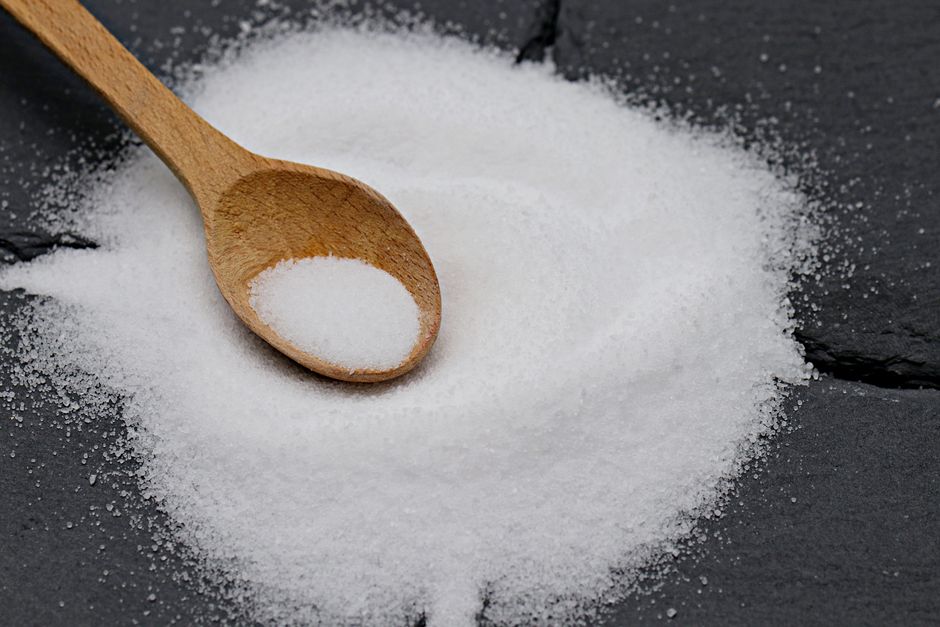
Sodium percarbonate is a powerful oxygen bleach found in many laundry boosters, stain removers, and household cleaners. It is a stable compound that releases hydrogen peroxide when mixed with water, which is how it cleans and whitens. Used correctly, it is safe for most fabrics and surfaces, but it demands respect. The key rules are simple: dissolve it fully in warm water, test on an inconspicuous area first, and never mix it with other cleaning chemicals, especially acids or chlorine bleach. This guide explains exactly how to use it safely and effectively for laundry, cleaning, and outdoor tasks.
What Is Sodium Percarbonate and How Does It Work?
Sodium percarbonate is a white, odorless powder that looks similar to washing soda. When dissolved in water, it breaks down into hydrogen peroxide and soda ash. The hydrogen peroxide is the active cleaning agent. It oxidizes stains, which means it chemically alters the colored molecules in a stain so they become colorless and water-soluble.
This reaction works best in warm or hot water. Cold water slows the release of hydrogen peroxide significantly, which reduces cleaning power. The soda ash component also acts as a mild water softener, which helps detergents work more effectively. This is why sodium percarbonate is a common ingredient in oxygen-based laundry products.
It is important to understand that sodium percarbonate is not the same as chlorine bleach. It is color-safe for most dyed fabrics when used as directed, though it can fade some delicate dyes. It also breaks down into oxygen, water, and soda ash, making it more environmentally friendly than chlorine-based alternatives.
How To Use Sodium Percarbonate Safely And Effectively for Laundry
For general laundry whitening and stain removal, add approximately one scoop or one-half cup of sodium percarbonate powder directly to the washing machine drum before adding clothes. For a standard top-loading machine, you can also add it to the detergent dispenser, but direct contact with the drum allows it to dissolve more thoroughly. For front-loading machines, always place it in the drum to prevent clumping in the dispenser.
Use warm or hot water whenever possible. Temperatures above 40°C (104°F) activate the oxygen bleach most effectively. Check your garment care labels first. Some fabrics, particularly wool, silk, and leather, should never be exposed to sodium percarbonate because the alkaline solution can damage protein-based fibers.
For heavily stained items like white socks or kitchen towels, pre-soaking is the most effective method. Fill a bucket or sink with warm water, dissolve the powder completely, and submerge the items for one to six hours. Do not soak for more than 12 hours, as prolonged exposure can weaken fabric fibers. After soaking, launder as usual.
Using Sodium Percarbonate as a Household Cleaner
Sodium percarbonate is an effective cleaner for hard surfaces because the oxygen bubbles help lift grime and organic matter. For general surface cleaning, mix one tablespoon of powder per liter of warm water. Apply the solution to the surface, let it sit for five to ten minutes, then scrub and rinse thoroughly. This works well on tile, grout, porcelain sinks, and plastic cutting boards.
For mold and mildew on non-porous surfaces like bathroom tile or shower curtains, a stronger solution of two tablespoons per liter of warm water can be effective. Apply the solution, allow it to dwell for up to 15 minutes, then scrub. Rinse completely with clean water afterward. Sodium percarbonate is not a registered disinfectant in the same way that chlorine bleach is, so do not rely on it to kill pathogens on surfaces where disinfection is required.
Never use sodium percarbonate on aluminum, unsealed wood, or natural stone like marble and granite. The alkaline solution can cause pitting on aluminum and etching on stone surfaces. For these materials, choose a pH-neutral cleaner instead.




Outdoor Uses: Decks, Patios, and Garden Tools
Sodium percarbonate is effective at removing organic stains from outdoor surfaces. For wooden decks and fences, mix one cup of powder per gallon of warm water. Apply the solution with a brush or sprayer, let it sit for 10 to 15 minutes, then scrub and rinse with a hose. Always test on an inconspicuous area first to check for discoloration of the wood.
For concrete patios and driveways, the same solution strength works well for removing mildew, moss, and organic staining. Apply, allow to dwell, scrub with a stiff broom, and rinse thoroughly. The oxygen action helps lift stains without the harsh fumes associated with chlorine bleach.
Garden tools and pots can be cleaned in a soaking solution of one tablespoon per liter of warm water. This helps remove plant residue and soil. Rinse tools thoroughly and dry them completely to prevent rust. Do not use this solution on galvanized metal, as it can accelerate corrosion.
Safety Precautions and What Not To Mix
Sodium percarbonate is generally safe when handled properly, but it is a chemical oxidizer. Wear gloves when handling the dry powder to prevent skin irritation. Avoid inhaling the dust; consider wearing a dust mask if you are sensitive to powders. If the powder gets in your eyes, flush with water for at least 15 minutes and seek medical attention if irritation persists.
Store sodium percarbonate in a cool, dry place in a sealed container. Moisture in the air can cause it to slowly decompose, releasing oxygen. Keep it away from heat sources and open flames. It is not flammable, but the oxygen it releases can intensify a fire.
Never mix sodium percarbonate with vinegar, acidic cleaners, or chlorine bleach. Mixing it with acids releases hydrogen peroxide rapidly, which can cause a vigorous reaction. Mixing it with chlorine bleach can create hazardous gases. Use one cleaner at a time, and rinse surfaces thoroughly between different cleaning products.
How To Test Fabric and Surface Safety First
Before using sodium percarbonate on any fabric or surface for the first time, perform a patch test. Mix a small amount of the solution according to your intended use. Apply it to a hidden area, such as an inside seam, hem, or inconspicuous corner. Wait 10 to 15 minutes and check for color change, bleaching, or damage.
For dyed fabrics, the risk is color fading rather than fabric damage. Some natural dyes and certain synthetic dyes are not stable in alkaline solutions. If the test area shows any change, do not use sodium percarbonate on the full item. For surfaces, check for etching, dulling, or discoloration after the test patch dries.
If you are uncertain about a material, err on the side of caution and choose a gentler cleaner. The cost of replacing a damaged garment or surface is far higher than the cost of an alternative cleaning product.
Common Mistakes and How To Avoid Them
The most common mistake is using sodium percarbonate in cold water. The chemical reaction requires warmth to activate fully. In cold water, the powder may not dissolve completely and can leave white residue on fabrics. Always dissolve the powder in warm water before adding it to a cold wash cycle.
Another frequent error is using too much product. More powder does not mean better cleaning. Excess sodium percarbonate can leave a residue on fabrics and surfaces, and it increases the risk of color damage. Follow the recommended ratios and increase only if a specific stain requires a longer soak time rather than a stronger solution.
Leaving soaked items for too long is also a problem. While sodium percarbonate is gentler than chlorine bleach, prolonged exposure can weaken fibers and cause yellowing on some whites. Set a timer for soaks and never leave items overnight unless you have tested that specific fabric for extended exposure.
Environmental Impact and Disposal
Sodium percarbonate breaks down into oxygen, water, and soda ash, which are all naturally occurring substances. This makes it a more environmentally friendly bleach option compared to chlorine bleach. The soda ash byproduct can temporarily raise the pH of the water it enters, but at typical household use levels, this effect is minimal and generally not a concern for septic systems or municipal wastewater treatment.
Do not pour large quantities of concentrated solution directly onto soil or into waterways. Dispose of leftover solutions down the drain with plenty of water, which is the standard recommendation for household cleaning products. The dry powder can be stored indefinitely in a sealed container, so there is rarely a need to dispose of unused product.
When choosing between sodium percarbonate and other cleaners, consider your specific need. For whitening and stain removal on washable fabrics, it is an excellent choice. For disinfection, a registered disinfectant is more appropriate. For cleaning aluminum or natural stone, choose a different product entirely.
Frequently Asked Questions
Can sodium percarbonate be used on all fabrics?
No. It is safe for cotton, linen, and most synthetics, but it can damage wool, silk, and leather. Always check the care label and test on a hidden area first.
Is sodium percarbonate the same as bleach?
No. It is an oxygen bleach, which is gentler and color-safe compared to chlorine bleach. It works through oxidation rather than chlorination.
How long can I soak clothes in sodium percarbonate?
Soak for one to six hours for most stains. Do not exceed 12 hours, as prolonged exposure can weaken fabric fibers.
Can I mix sodium percarbonate with my regular detergent?
Yes. It works well alongside regular laundry detergent. Add it to the drum before the clothes and detergent, and use warm or hot water for best results.
