
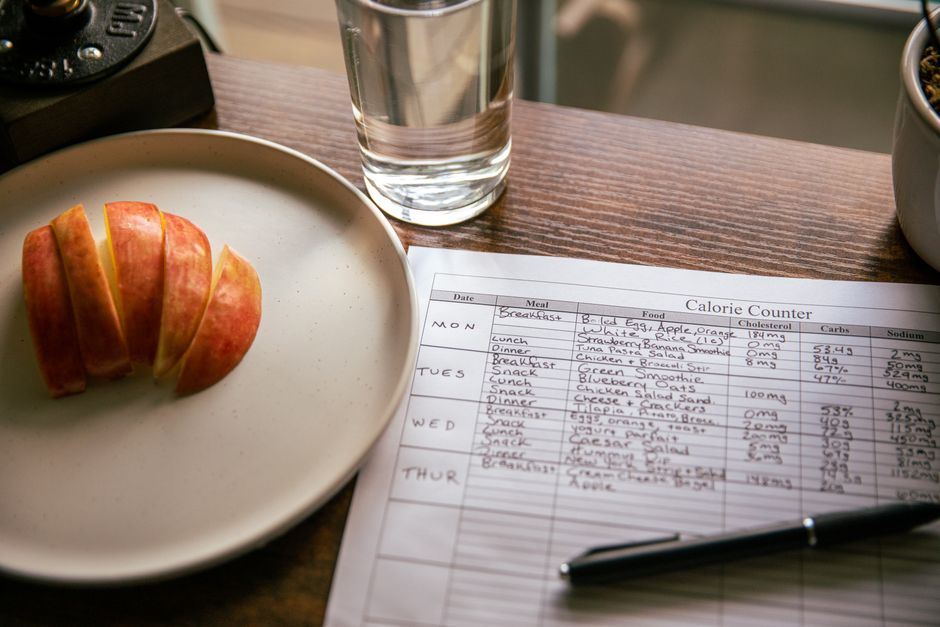
To count macros for weight loss, start by figuring out your daily calorie needs. Then split those calories into grams of protein, carbohydrates, and fat. You eat at a calorie deficit while hitting your protein target to protect muscle. Most beginners use a free app like MyFitnessPal to log food and track their grams each day.
What Are Macros and Why Do They Matter for Weight Loss?
Macros is short for macronutrients. These are the three main nutrients your body needs in large amounts: protein, carbohydrates, and fat. Each one provides energy in the form of calories. Protein and carbs give 4 calories per gram. Fat gives 9 calories per gram. Alcohol is sometimes counted as a fourth macro at 7 calories per gram, but it is not essential.
For weight loss, macros matter because they affect how full you feel, how much muscle you keep, and how your body uses energy. Protein is especially important. It helps you feel satisfied after meals and preserves muscle tissue when you are eating fewer calories. Carbohydrates give your body quick energy for daily activities and exercise. Fat supports hormone function and helps you absorb certain vitamins.
Counting macros is more flexible than counting only calories. You can eat a variety of foods as long as they fit your numbers. That makes it easier to stick with over the long run.
How to Calculate Your Calorie Needs for Weight Loss
Before you set macro ratios, you need a calorie target. Your total daily energy expenditure (TDEE) is the number of calories you burn in a day. It depends on your age, sex, weight, height, and activity level. Many free online calculators can estimate your TDEE. You can also get a close number by multiplying your body weight in pounds by 11 to 14, depending on activity. For someone who exercises a few times a week, multiply by 13 to 14. For a sedentary person, by 11 to 12.
To lose weight, eat 300 to 500 fewer calories than your TDEE each day. This creates a deficit. A deficit of about 500 calories per day leads to roughly one pound of weight loss per week. Losing one to two pounds per week is considered safe and sustainable for most people. Do not drop below about 1,200 calories for women or 1,500 for men without medical supervision. Very low calorie diets can cause nutrient deficiencies and muscle loss.
How to Set Your Macro Ratios for Beginners
There is no single best macro split for everyone. The right ratio depends on your preferences, activity level, and health goals. A common starting point for weight loss is 30% of calories from protein, 40% from carbohydrates, and 30% from fat. Another popular split is 40% protein, 40% carbs, 20% fat.
Instead of focusing on percentages first, many beginners find it easier to set a protein target and then fill in the rest. A typical recommendation for weight loss is 0.7 to 1 gram of protein per pound of body weight. For a 180‑pound person, that means 126 to 180 grams of protein per day. This range is higher than the standard recommended daily allowance, but it is well supported by research on preserving muscle during calorie restriction.
After setting protein, decide on fat. A minimum of about 20% of total calories from fat is needed for basic health. For most people, 20% to 35% of calories from fat works well. The remaining calories go to carbohydrates. For example, if you eat 1,800 calories per day and aim for 140 grams of protein (560 calories), and 30% fat (540 calories), that leaves 700 calories for carbs, which is 175 grams.
You can adjust these numbers based on how you feel. If you feel sluggish, increase carbs. If you get hungry between meals, increase protein or fat. The best split is the one you can consistently follow.





How to Track Your Macros Accurately
Tracking macros accurately requires weighing and measuring your food. A digital food scale is the most reliable tool. Volume measures like cups and tablespoons are less precise. Solid foods like meat, rice, and vegetables should be weighed raw or cooked consistently—most databases list raw weights. When you log a food, pay attention to the serving size shown in the app and adjust it to match what you actually ate.
Common hidden sources of macros include cooking oils, salad dressings, sauces, spreads, and beverages like milk or juice. These add up quickly. Log everything before you eat, not after. This helps you stay within your targets and avoid surprises.
Use a tracking app that has a large food database. MyFitnessPal, Cronometer, and Lose It are popular choices. Cronometer also shows micronutrients, which can be helpful. Weigh yourself weekly under consistent conditions—same time, same scale, after waking and using the bathroom. Do not weigh daily as water weight fluctuates and can be misleading.
It is normal to miss your numbers some days. The goal is to hit within about 5 to 10 grams of each macro most days, not perfection. Consistency over weeks matters more than accuracy on any single day.
Common Mistakes Beginners Make When Counting Macros
Not weighing food. Estimating portion sizes by eye leads to large errors. A serving of peanut butter can be off by 50% or more when you use a spoon instead of a scale.
Forgetting cooking fats. Oil, butter, and spray-on cooking oils add calories and fat that can derail your numbers if not logged. Use the bottle’s nutrition label.
Setting too low a calorie target. Eating too few calories causes hunger, fatigue, and muscle loss. It can also slow down your metabolism over time. A modest deficit is more effective for long-term results.
Ignoring fiber. Fiber is a carbohydrate but most of it is not digested. In many tracking apps you can subtract fiber from total carbs to get net carbs if that helps you stay within your carb goal. This is optional but can be useful for people who eat many vegetables.
Not adjusting macros as you lose weight. As you lose weight, your TDEE also drops. You may need to recalculate your calories and macros every 10 to 15 pounds. Otherwise, your deficit becomes smaller and progress stalls.
Obsessing over small daily differences. Going over your carb target by 5 grams on one day will not affect your progress. Stress about exact numbers makes the process harder to maintain.
Do You Need to Count Macros Forever?
No. Most people do not track macros indefinitely. Counting is a learning tool. It teaches you what a proper portion of protein looks like, how much fat is in common foods, and how many calories you actually eat. After several months, many people develop a natural sense of portion sizes and can stop tracking and still maintain their weight.
Some people switch to “lazy” tracking—logging only protein or only calories for part of the week. Others stop entirely and use hunger cues and body weight changes to guide eating. There is no right answer. The key is finding a method you can live with long term.
If you stop counting, be aware that weight regain is common if portions creep back up. Occasional check‑ins, like a week of tracking every few months, can help you stay on track without constant logging.
Frequently Asked Questions
How many grams of protein per day should I eat for weight loss?
A common recommendation is 0.7 to 1 gram of protein per pound of body weight. For a 150‑pound person, that is 105 to 150 grams per day. This range helps preserve muscle while you are in a calorie deficit.
Can I still lose weight if I go over my carb target?
Yes, as long as you stay within your total calorie goal. Carbs are not fattening by themselves. Going over on carbs while under on fat or protein can still lead to weight loss if your total calories are still below your TDEE.
Do I need to count fiber as part of my carb macros?
Fiber is a type of carbohydrate, but your body does not digest it for calories. Many people subtract fiber from total carbs to get net carbs. This is not required, but it can help you fit more vegetables into your day without going over your carb limit.
What if I do not have time to track every meal?
You do not need to track every single meal forever. Focus on tracking one meal or one day per week at first. Over time you will learn portion sizes. When you stop tracking, occasionally log a day to check if your portion estimates are still accurate.
