
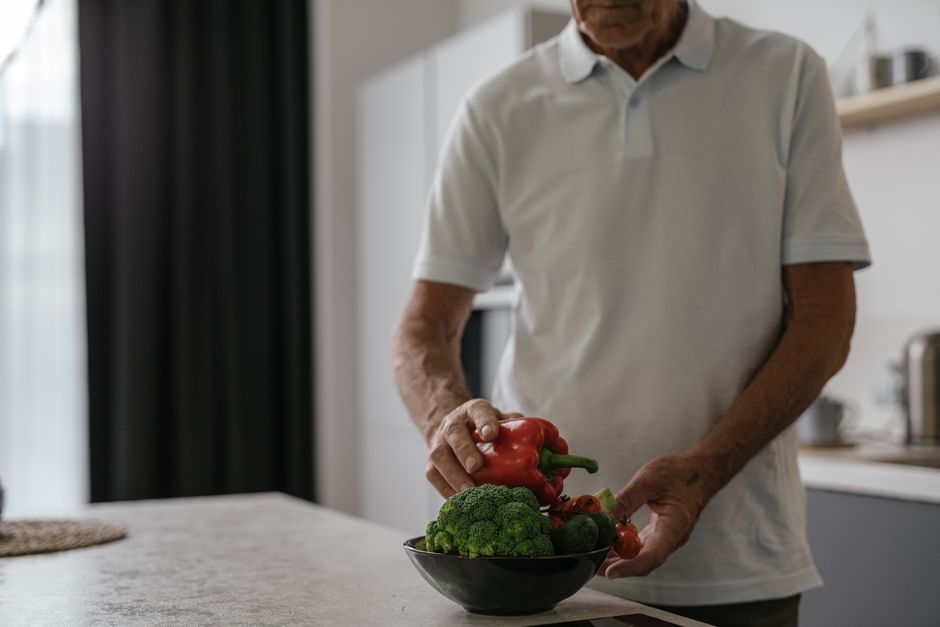
Boiling vegetables can wash away water-soluble vitamins like vitamin C and many B vitamins. Steaming, roasting, and microwaving are better choices because they use less water and shorter cook times. The best method is the one that gets vegetables onto your plate cooked in a way you will actually eat them, but some techniques clearly preserve more nutrients than others.
How To Cook Vegetables Without Losing Nutrients
The most important rule is simple: use less water and less heat. Water-soluble vitamins — vitamin C and most of the B-complex vitamins — dissolve in water. When you boil vegetables and pour the water down the sink, those nutrients go with it. Heat also breaks down some vitamins, so longer cooking times cause greater losses.
Steaming is one of the most reliable methods. The vegetables sit above the water, so they absorb heat from the steam without being submerged. Studies have consistently shown that steaming preserves more vitamin C and antioxidants than boiling. The vegetables also keep their structure better, which means less nutrient loss from breakdown.
Microwaving is another excellent choice. It cooks food quickly with minimal water, and the short cooking time limits heat damage. Some research suggests microwaving preserves more vitamin C than boiling or even steaming, because the cooking time is so short. The microwave does not destroy nutrients in some special way — it simply cooks fast and uses little water.
Roasting and sautéing also work well. These dry-heat methods do not leach water-soluble vitamins into cooking water. The main concern with roasting is high temperature and long cooking time, which can degrade heat-sensitive nutrients. Keep roasting times reasonable and avoid charring the vegetables.
Frying is the weakest option for nutrient preservation. The high heat breaks down heat-sensitive vitamins, and the added oil increases calorie content. This does not mean fried vegetables are worthless — they still contain fiber and minerals — but they lose more vitamins than other methods.
Which Cooking Method Preserves The Most Nutrients?
No single method wins for every nutrient. Different vitamins and minerals respond differently to heat and water.
Water-soluble vitamins — vitamin C and B vitamins — are most vulnerable to water and heat. These are best preserved by steaming, microwaving, or eating the vegetable raw. Vitamin C is especially fragile. It degrades quickly with heat and dissolves readily in water.
Fat-soluble vitamins — vitamins A, D, E, and K — behave differently. They do not dissolve in water, so boiling does not wash them away. However, they can degrade with prolonged high heat. Some research suggests that cooking with a small amount of oil can actually improve absorption of these vitamins. Carrots cooked with a little oil, for example, may deliver more beta-carotene than raw carrots.
Minerals like potassium, magnesium, and calcium are more stable than vitamins. They survive heat well, but they can still leach into cooking water. If you boil vegetables, the minerals end up in the broth. This is why vegetable broth is nutritious — it contains the minerals that left the vegetables.
Some research indicates that cooking can make certain nutrients more available. Lycopene in tomatoes, for example, becomes easier for the body to absorb when tomatoes are cooked. The heat breaks down cell walls, releasing nutrients that would otherwise pass through undigested. This is a reminder that “raw is always better” is not accurate.
Does Chopping Vegetables Before Cooking Matter?
Yes. Cutting vegetables increases the surface area exposed to air, water, and heat. This means more nutrient loss. Smaller pieces lose more nutrients than larger pieces.
Oxygen also matters. Some vitamins, especially vitamin C, oxidize when exposed to air. Cutting vegetables exposes their inner flesh to oxygen, which starts the degradation process. This is why pre-cut vegetables sold in bags lose nutrients faster than whole vegetables.
The practical takeaway: cut vegetables into larger chunks rather than tiny pieces. Cook them soon after cutting. Do not soak cut vegetables in water — this pulls nutrients directly out of the exposed surfaces.
There is one exception. Dense vegetables like carrots and potatoes may benefit from being cut smaller because they cook faster. Shorter cooking time can offset the nutrient loss from more surface area. The net effect depends on the specific vegetable.





Is Steaming Better Than Boiling?
For most vegetables, yes. Steaming preserves more water-soluble vitamins than boiling because the vegetables never touch the water. The vitamins stay in the vegetable instead of dissolving into the cooking liquid.
Research comparing the two methods has repeatedly found higher vitamin C retention in steamed vegetables. Some studies show that steaming preserves up to 50 percent more vitamin C than boiling, though exact numbers vary by vegetable and cooking time.
Boiling is not worthless. It can be the right choice for certain dishes like soups and stews. In these cases, the cooking water becomes part of the meal, so the nutrients are not lost — they are in the broth. Boiling potatoes for mashed potatoes, however, sends nutrients down the drain.
If you do boil vegetables, use the smallest amount of water possible. Add the vegetables to already-boiling water to shorten cooking time. Save the cooking water for soups, sauces, or gravy.
Does Cooking Time Affect Nutrient Loss?
Yes. Longer cooking means more nutrient loss. This is true for every cooking method.
Heat breaks down vitamins over time. Vitamin C is particularly sensitive — its levels drop steadily as cooking continues. B vitamins are also heat-sensitive, though less so than vitamin C. Minerals are more stable and survive long cooking times reasonably well.
The goal is to cook vegetables until they are tender but still have some texture. Mushy, overcooked vegetables have lost more nutrients than crisp-tender ones. Aim for vegetables that are cooked through but still bright in color.
Color is a useful visual cue. Green vegetables that turn olive-gray have been overcooked. Bright green means they still retain much of their nutrient content. This is not a perfect measure, but it is a practical one.
Cutting vegetables into uniform pieces helps them cook evenly. This prevents the problem of some pieces being undercooked while others are overcooked. Even cooking means you can stop the process at the right moment for the whole batch.
Does Adding Acid Or Baking Soda Affect Nutrients?
Acid and alkaline substances both affect vegetables, but in different ways.
Acid — like lemon juice or vinegar — helps preserve vitamin C. Vitamin C degrades more slowly in acidic environments. Adding lemon juice to vegetables during cooking can help retain some vitamin C. The effect is modest, but it is real.
Baking soda is the opposite. Adding baking soda to cooking water makes the water alkaline, which destroys vitamin C faster. Some cooks add baking soda to keep green vegetables bright, but this practice damages nutrients. It also makes vegetables mushy because it breaks down their structure.
Do not add baking soda to vegetables for the purpose of preserving color. The nutrient cost is too high. If you want bright green vegetables, cook them quickly and stop the cooking with an ice bath if serving cold.
Is Eating Raw Vegetables Always Better?
No. Raw vegetables are not universally more nutritious than cooked ones.
Some nutrients are better absorbed from cooked vegetables. Lycopene in tomatoes, beta-carotene in carrots, and certain antioxidants in spinach are more available to the body after cooking. Heat breaks down plant cell walls, releasing these nutrients for absorption.
Raw vegetables have their own advantages. They contain more vitamin C because no heat has degraded it. They also provide more of certain enzymes, though the body produces its own digestive enzymes and the plant enzymes in food play a minor role in human digestion.
The best approach is variety. Eat some vegetables raw and cook others. This gives you the benefits of both. Do not feel pressured to eat every vegetable raw — cooked vegetables still provide substantial nutrition.
One important note: some vegetables should always be cooked. Kidney beans and other legumes contain compounds that are toxic when raw. Cooking destroys these compounds. Never eat raw kidney beans.
Practical Tips For Preserving Nutrients
These habits make a real difference:
- Wash vegetables whole, then cut them. Washing after cutting can pull nutrients out of exposed surfaces.
- Use a steamer basket instead of boiling when possible.
- Keep cooking times short. Cook until tender, not until soft.
- Use the cooking water in soups or sauces instead of pouring it away.
- Store vegetables properly. Cool, dark places preserve vitamin content better than warm, bright ones.
- Buy fresh vegetables and eat them within a few days. Nutrients decline during storage.
- Do not peel vegetables if you can avoid it. Many nutrients sit close to the skin.
Frozen vegetables are a good option. They are typically blanched before freezing, which inactivates enzymes that cause spoilage. The blanching process causes some vitamin loss, but freezing preserves the remaining nutrients well. Frozen vegetables are often comparable in nutrient content to fresh vegetables that have been stored for several days.
Canned vegetables lose more nutrients during the canning process because of the high heat involved. They are still nutritious, but fresh or frozen options generally retain more vitamins.
Frequently Asked Questions
What is the healthiest way to cook vegetables?
Steaming and microwaving are the healthiest methods because they use minimal water and short cooking times. Both preserve water-soluble vitamins better than boiling or frying.
Does roasting vegetables destroy nutrients?
Roasting causes some loss of heat-sensitive vitamins like vitamin C, but it preserves minerals and fat-soluble vitamins well. It is a healthy cooking method, especially when you use minimal oil and avoid charring.
Is it better to eat vegetables raw or cooked?
Neither is universally better. Raw vegetables retain more vitamin C, while cooked vegetables make some nutrients like lycopene easier to absorb. Eating a mix of raw and cooked vegetables is the best approach.
Do microwaves destroy nutrients in vegetables?
No. Microwaves do not destroy nutrients in any special way. They cook quickly with little water, which actually helps preserve water-soluble vitamins compared to boiling.
