

Premenstrual anger is real, it has a measurable hormonal basis, and it is not a character flaw. The most reliable evidence-based approaches combine tracking your cycle to see the pattern, steady blood sugar through regular meals, aerobic exercise, sleep protection, and targeted therapies for moderate to severe symptoms. If anger is disrupting your work, relationships, or safety, that is a signal to seek evaluation rather than push through.
Why Does PMS Cause Anger and Irritability?
The short answer: falling progesterone and shifting estrogen in the second half of the cycle change how the brain regulates mood and stress. The longer answer involves several systems at once.
After ovulation, progesterone rises and then drops sharply if pregnancy does not occur. Progesterone breaks down into a metabolite called allopregnanolone, which acts on the same brain receptors that alcohol and anti-anxiety drugs affect. In most people this has a calming effect. In some, the brain responds to these shifts with irritability, anxiety, or anger instead. This paradoxical reaction is one of the leading explanations for premenstrual mood symptoms.
Estrogen also influences serotonin and dopamine, two neurotransmitters involved in mood regulation and impulse control. When estrogen falls in the late luteal phase, some people experience a measurable drop in mood stability.
Two clarifications matter here. First, PMS anger is not caused by “hormone imbalance” in the usual marketing sense. Research generally shows normal hormone levels in people with PMS. The difference appears to be in sensitivity to normal hormonal shifts, not abnormal hormone amounts. Second, premenstrual dysphoric disorder (PMDD) is a distinct, recognized diagnosis with more severe symptoms. It affects a smaller share of menstruating people than PMS does, and it is listed in the DSM-5, the standard psychiatric diagnostic manual.
How To Control PMS Anger Evidence Based Tips
These strategies have the strongest support in clinical research. They work best in combination rather than as single fixes.
- Track your cycle. Daily symptom notes for two to three months reveal whether anger clusters in the luteal phase. This is also how clinicians distinguish PMS from an underlying mood disorder that happens to fluctuate.
- Eat at regular intervals. Skipping meals drops blood glucose, which amplifies irritability in almost everyone. Protein and fiber at each meal slow that drop.
- Move your body aerobically. Regular aerobic exercise has been studied for premenstrual symptoms for decades, and reviews generally support a modest benefit for mood symptoms. The effect is real but not dramatic.
- Protect your sleep. Sleep deprivation lowers the threshold for anger and emotional reactivity. Premenstrual symptoms themselves can disrupt sleep, which creates a loop worth interrupting deliberately.
- Reduce alcohol in the luteal phase. Alcohol disrupts sleep architecture and can worsen mood symptoms the following day. This is a reasonable practical step even though dedicated PMS trials are limited.
- Try cognitive behavioral therapy. CBT has decent evidence for premenstrual symptom distress. It does not change hormones, but it changes how you respond to irritability before it escalates.
- Consider SSRIs for moderate to severe symptoms. This is discussed in detail below because the evidence here is stronger than most people expect.
Notice what is absent from this list: detoxes, hormone-balancing supplements, and “adrenal support” products. No clinical evidence confirms those work for premenstrual anger.
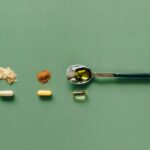
Which Supplements Have Actual Evidence for PMS Mood Symptoms?
Calcium and vitamin B6 have the most consistent supporting evidence among supplements, though the effect sizes are modest and study quality varies.
Calcium: several trials have tested calcium supplementation in the range of 1000 to 1200 mg daily, and some found reduced premenstrual symptom scores. The evidence is not uniform, and it is worth noting that this dose is close to the recommended daily allowance for adult women, which is 1000 mg for ages 19 to 50 and 1200 mg for ages 51 and older. Food sources are preferable where possible.
Vitamin B6: some trials suggest benefit for premenstrual mood symptoms. Doses above 100 mg per day have been linked to nerve damage, so this is not a supplement to take in high doses without medical guidance. Typical studied doses are much lower.
Evening primrose oil, chasteberry, and dong quai appear frequently in marketing. Evidence for evening primrose oil in PMS is generally weak or negative in controlled trials. Chasteberry has some trial support for premenstrual symptoms overall, but results are mixed and product quality varies widely. Dong quai has limited human trial data for this purpose.
The honest position: supplements are a reasonable conversation to have with a clinician, not a first-line solution, and not something to self-dose at high levels.




When Should You Consider Medication for Premenstrual Anger?
When symptoms are moderate to severe, when they interfere with work or relationships, or when they meet criteria for PMDD, medication is a legitimate and well-studied option.
Selective serotonin reuptake inhibitors (SSRIs) have the strongest evidence base for severe premenstrual mood symptoms, including irritability and anger. What makes this unusual is the dosing pattern. Research indicates that SSRIs can work when taken only during the luteal phase, meaning roughly the two weeks before your period, rather than continuously. This intermittent approach is a recognized clinical strategy for PMDD. It is not how SSRIs are typically used for depression, which is why it surprises many people.
Hormonal approaches also exist. Some oral contraceptives, particularly those containing drospirenone, have been studied for PMDD, and a small number carry regulatory approval for that indication. Response varies, and not every formulation has been tested.
This is a decision to make with a clinician, not from an article. What matters is knowing that effective options exist and that severe premenstrual anger is a treatable condition, not something to endure silently.
What Actually Makes PMS Anger Worse?
Several common habits reliably amplify premenstrual irritability, and none of them are mysterious.
Sleep debt is probably the biggest one. When you are already emotionally reactive from hormonal shifts, adding poor sleep compounds it. Caffeine late in the day and alcohol in the evening both chip away at sleep quality.
Blood sugar swings are the second. Long gaps between meals, skipping breakfast, and relying on simple carbohydrates produce glucose drops that feel like sudden anger or anxiety. The feeling is physiological, not psychological.
Stress load matters too. High baseline stress does not cause PMS, but it lowers the threshold at which symptoms become disruptive. This is one reason the same hormonal shift produces mild annoyance in one month and significant anger in another.
Finally, fighting the pattern makes it worse. People who expect premenstrual anger and brace against it often experience more distress than those who recognize it as a predictable, temporary physiological state. That reframe is not positive thinking. It is accurate.
How Do You Tell PMS Anger From Something Else?
The timing is the distinguishing feature. PMS symptoms appear in the luteal phase and resolve within a few days of bleeding starting. If anger is present all month and simply gets worse before your period, the underlying issue is likely something else.
Conditions that can look like PMS anger include major depressive disorder, generalized anxiety disorder, thyroid disorders, and perimenopause. Perimenopause in particular can produce irritability that fluctuates unpredictably rather than following a clean cycle pattern.
This is why tracking matters so much. A two-to-three month symptom diary that shows a clear luteal-phase pattern points toward PMS or PMDD. A diary that shows constant symptoms with premenstrual worsening points toward a different diagnosis that needs different treatment.
If you are unsure, bring the diary to a clinician. It is one of the most useful things you can hand a doctor, and it takes only a minute a day to keep.
Frequently Asked Questions
Is PMS anger a real hormonal symptom?
Yes. Falling progesterone and shifting estrogen in the luteal phase affect brain systems that regulate mood and stress response. Research generally shows normal hormone levels in people with PMS, so the issue appears to be sensitivity to normal hormonal shifts rather than abnormal hormone levels.
What is the fastest way to calm PMS anger?
There is no instant fix, but stabilizing blood sugar with a protein-containing meal, getting aerobic movement, and protecting sleep all reduce reactivity within hours to days. For severe symptoms, luteal-phase SSRI treatment can work quickly, sometimes within the first cycle of use.
Can supplements cure PMS anger?
No supplement has been shown to cure premenstrual anger. Calcium and vitamin B6 have the most supporting evidence for modest symptom reduction, but effect sizes are small and study quality varies.
When should I see a doctor about premenstrual anger?
See a clinician if anger is affecting your work, relationships, or safety, or if symptoms are severe enough to disrupt daily life. Severe premenstrual mood symptoms may meet criteria for PMDD, which is a recognized diagnosis with effective treatment options.
