
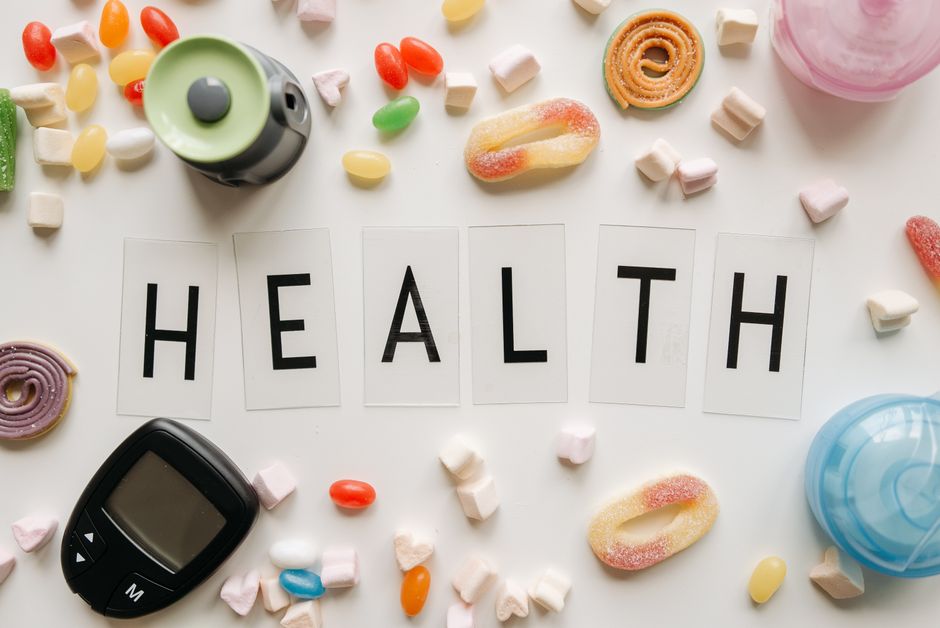
Controlling blood sugar is not about perfection. It is about building a sequence of small, consistent habits that work with your body instead of against it. The most effective approach combines what you eat, when you eat, how you move, and how you manage stress. Start with the basics: build meals around protein and fiber, move your body after eating, and keep a consistent sleep schedule. These steps directly influence how your body processes glucose, and they work for most people regardless of whether they have prediabetes or type 2 diabetes.
What Does Controlling Blood Sugar Actually Mean?
Blood sugar, or blood glucose, is the main sugar found in your blood. It comes from the food you eat and is the primary energy source for your body. When you eat carbohydrates, your digestive system breaks them down into glucose, which enters your bloodstream. Your pancreas then releases insulin, a hormone that signals your cells to absorb that glucose for energy.
Controlling blood sugar means keeping your glucose levels within a healthy range. For most people without diabetes, a normal fasting blood sugar is between 70 and 99 mg/dL. Two hours after a meal, it should be under 140 mg/dL. When these numbers stay consistently too high, it can damage blood vessels and nerves over time. That damage increases your risk for heart disease, kidney disease, and vision problems.
The goal is not to eliminate carbohydrates entirely. It is to manage how quickly glucose enters your bloodstream and how well your body responds to insulin. This is a daily process, not a one-time fix.
How To Control Blood Sugar: Step by Step
The most reliable way to control blood sugar is to address the factors that directly influence glucose metabolism. These are your food choices, meal timing, physical activity, sleep, and stress levels. Here is the sequence that works.
Step 1: Prioritize protein and fiber at every meal. Protein slows down digestion. Fiber does the same. When you eat a meal that contains both, glucose enters your bloodstream more gradually. That gives your insulin time to work efficiently and prevents the sharp spikes that follow meals heavy in refined carbohydrates.
Step 2: Eat carbohydrates last. The order in which you eat your food matters. Some research indicates that eating vegetables and protein before carbohydrates leads to lower post-meal blood sugar levels compared to eating carbohydrates first. This is a simple change with no downside. Start your meal with vegetables, then protein, then the starchy or sugary parts.
Step 3: Move your body after meals. Physical activity makes your muscles more sensitive to insulin. Even a short walk of 10 to 15 minutes after eating helps your muscles absorb glucose from your blood. You do not need intense exercise. Light walking or gentle resistance movements are enough to make a measurable difference.
Step 4: Keep a consistent sleep schedule. Sleep deprivation raises stress hormones like cortisol. Cortisol signals your liver to release more glucose into your blood. Over time, poor sleep reduces insulin sensitivity. Aim for 7 to 9 hours of sleep per night, and try to go to bed and wake up at the same time every day, including weekends.
Step 5: Manage stress deliberately. Chronic stress keeps cortisol elevated. This promotes insulin resistance and higher fasting glucose levels. Deep breathing, walking, or any activity that lowers your heart rate can blunt this response. The specific stress-reduction technique matters less than doing it consistently.
Which Foods Raise Blood Sugar the Most?
Carbohydrates are not all the same. The speed at which they raise blood sugar depends on their structure and how quickly they digest. The glycemic index (GI) ranks foods by how quickly they raise blood glucose compared to pure glucose. High-GI foods digest quickly and cause rapid spikes. Low-GI foods digest slowly and cause gradual rises.
Foods that consistently raise blood sugar quickly include:
- Sugary drinks like soda, fruit juice, and sweetened tea
- White bread, white rice, and refined pasta
- Pastries, cookies, and other baked goods made with white flour
- Breakfast cereals that are highly processed
- Mashed potatoes and other quickly digested starches
Foods that have a gentler effect on blood sugar include:
- Non-starchy vegetables like broccoli, spinach, and peppers
- Legumes such as lentils, chickpeas, and black beans
- Whole grains like oats, quinoa, and barley
- Nuts and seeds
- Whole fruits rather than fruit juice
Pairing a high-GI food with protein or fat slows its absorption. For example, eating an apple with peanut butter produces a lower blood sugar response than eating the apple alone. This is why the composition of the whole meal matters more than any single food.


Does Exercise Lower Blood Sugar Immediately?
Yes. One session of moderate exercise can lower blood sugar for 24 hours or more. During exercise, your muscles use glucose for fuel without needing as much insulin. After exercise, your muscles continue to absorb glucose to replenish their energy stores. This effect is called increased insulin sensitivity, and it is one of the most reliable tools for blood sugar control.
The type of exercise matters. Aerobic exercise like walking, cycling, or swimming improves how your body uses glucose during the activity. Resistance training like lifting weights builds muscle, and more muscle mass means your body can store more glucose as glycogen. A combination of both is more effective than either one alone.
If you take medication for diabetes, monitor your blood sugar before and after exercise. Physical activity can cause blood sugar to drop too low, especially if you take insulin or sulfonylureas. This is called hypoglycemia, and it is a real risk. If you experience shakiness, sweating, or confusion during exercise, check your blood sugar immediately.
How Does Sleep Affect Blood Sugar?
Sleep is not optional for blood sugar control. It is a core part of the system. When you do not sleep enough, your body produces more cortisol and less insulin sensitivity. One night of poor sleep can raise your blood sugar the next morning.
Sleep deprivation also increases hunger hormones. Ghrelin, which stimulates appetite, goes up. Leptin, which signals fullness, goes down. This combination makes you more likely to crave high-carbohydrate foods the next day, creating a cycle that is hard to break.
Obstructive sleep apnea is a specific concern. It causes repeated pauses in breathing during sleep, which triggers stress responses throughout the night. This condition is strongly associated with insulin resistance and type 2 diabetes. If you snore heavily or wake up gasping, talk to your doctor about a sleep study.
What About Medication and Monitoring?
Lifestyle changes are the foundation, but they are not always enough. Many people with type 2 diabetes need medication to reach their blood sugar targets. Metformin is the most commonly prescribed first-line medication for type 2 diabetes. It works by reducing glucose production in the liver and improving insulin sensitivity.
If you have been diagnosed with diabetes or prediabetes, home blood sugar monitoring helps you understand how your body responds to specific foods and activities. A continuous glucose monitor (CGM) takes this further by showing glucose trends in real time. These devices can reveal patterns you would never notice with fingerstick checks alone.
Do not adjust or stop your medication without speaking to your doctor. Changes in diet and exercise can lower your blood sugar enough that your medication dose may need to be reduced. This is a positive development, but it requires medical supervision to do safely.
What Is the Role of Hydration?
Water does not directly lower blood sugar, but dehydration makes blood sugar control harder. When you are dehydrated, your blood becomes more concentrated, which raises glucose readings. Your kidneys also need adequate fluid to excrete excess glucose through urine.
Sugary drinks are the opposite. A single 12-ounce can of regular soda contains about 39 grams of sugar, which is roughly 10 teaspoons. That amount of rapidly absorbed sugar will spike blood glucose regardless of anything else you do that day. Water, unsweetened tea, and coffee are the best choices for hydration.
Coffee deserves a specific note. Some research suggests that regular coffee consumption is associated with a lower risk of developing type 2 diabetes. However, caffeine can raise blood sugar acutely in some people. If you have diabetes, test your blood sugar after drinking coffee to see how your body responds.
Frequently Asked Questions
How quickly can lifestyle changes lower blood sugar?
Some changes work within hours, like exercise and meal composition. Fasting blood sugar can improve within days to weeks of consistent changes, but the full effect on insulin sensitivity may take several weeks.
Is fruit bad for blood sugar?
No. Whole fruits contain fiber, which slows sugar absorption. Berries, apples, and citrus fruits have a gentler effect than tropical fruits like mango and pineapple, but portion size matters for all fruit.
Can drinking water lower blood sugar?
Water helps your kidneys flush excess glucose, but it does not directly reduce blood sugar levels. Staying hydrated prevents the concentrating effect of dehydration, which can make glucose readings falsely high.
Does vinegar lower blood sugar?
Some small studies suggest that vinegar taken with a meal may modestly reduce post-meal blood sugar. The evidence is limited, and vinegar should not replace standard treatment.
