
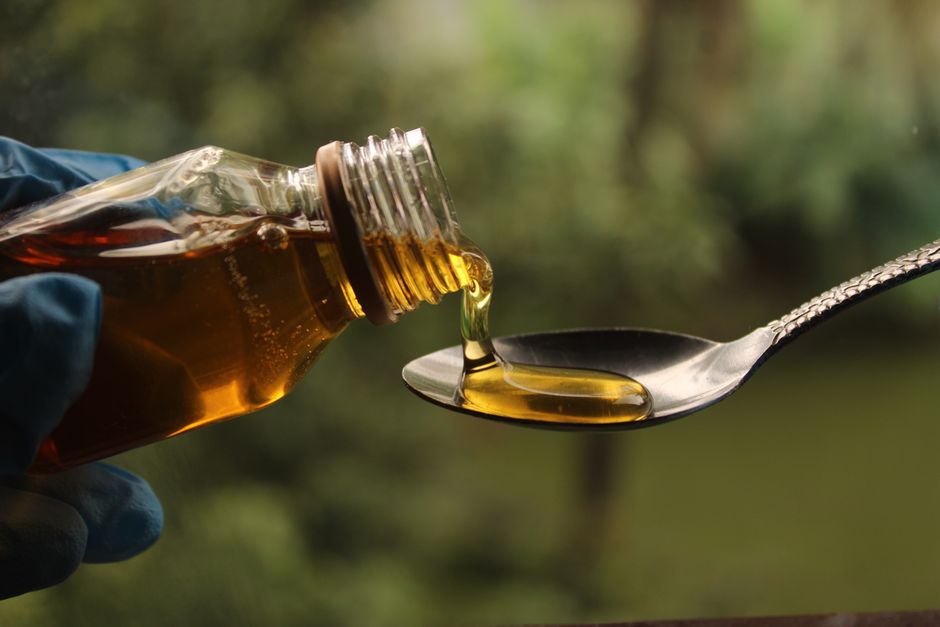
Maple syrup raises blood sugar, and it does so quickly. It is a concentrated sugar syrup, and its main carbohydrate is sucrose — the same sugar in table sugar. If you have diabetes or prediabetes, or you simply track how food affects your glucose, maple syrup belongs in the same category as honey, agave, and table sugar, not the category of low-sugar sweeteners.
What surprises many people is that maple syrup contains almost no water. That means a single tablespoon delivers more sugar than most people expect from a “natural” product. Below is what the evidence shows about how it affects blood glucose, how it compares with other sweeteners, and what that means in practice.
What Is Maple Syrup Made Of?
Maple syrup is made by boiling the sap of sugar maple trees until most of the water is gone. The sap starts out as roughly 2 percent sugar and ends up as roughly 67 percent sugar by weight, according to USDA nutrient data. That concentration step is what turns a thin, barely sweet liquid into a thick syrup.
The sugar in the finished syrup is mostly sucrose, with smaller amounts of glucose and fructose. Sucrose is a two-part sugar made of one glucose molecule linked to one fructose molecule. Your digestive system splits it apart with an enzyme called sucrase, and the glucose and fructose are then absorbed into the bloodstream.
Maple syrup also contains trace minerals — manganese and zinc among them — and small amounts of phenolic compounds. These are real, but the amounts are tiny relative to the sugar load. A tablespoon of maple syrup provides a meaningful dose of sugar and a negligible dose of anything else. Some marketing frames these trace compounds as a health benefit. No human trial has shown that they offset the glycemic effect of the sugar.
Does Maple Syrup Spike Blood Sugar?
Yes, and the rise is fast. Maple syrup sits at the high end of the glycemic index, a scale that ranks how quickly carbohydrate foods raise blood glucose. Foods with a high glycemic index are absorbed quickly and produce a sharp rise. Maple syrup behaves much like honey and table sugar in this respect.
Here is the physiology. When you eat maple syrup, sucrose is broken down into glucose and fructose within minutes. The glucose enters the bloodstream rapidly. Your pancreas releases insulin to move that glucose into cells. In someone with a healthy pancreas and normal insulin sensitivity, glucose rises and then comes back down over the next hour or two. In someone with diabetes or insulin resistance, the rise is steeper and the return to baseline is slower, because the insulin response is either delayed or blunted.
Fructose takes a different path. It is metabolized mostly in the liver and does not trigger insulin release directly. That does not make it harmless — it still contributes to the total sugar load and, over time, to liver fat when consumed in excess. But it does mean the immediate glucose spike from maple syrup comes mainly from the glucose half of the sucrose.
The practical point: if you are watching your blood sugar, maple syrup is not a “slow” sugar. It is a fast one.
How Much Sugar Is in a Serving?
Serving size is where most people underestimate maple syrup. A typical pour over pancakes is far more than one tablespoon. Two tablespoons — a modest drizzle — contains roughly 26 grams of sugar, which is about the same as a standard candy bar. Four tablespoons, which is easy to pour without measuring, approaches 52 grams.
For context, the American Heart Association recommends that most women limit added sugars to about 25 grams per day and most men to about 36 grams per day. A single two-tablespoon serving of maple syrup puts many people at or over their daily added-sugar limit before any other food is counted.
Note that these are general population recommendations. For people with diabetes, individual targets are set with a clinician and vary widely. No single number applies to everyone.



Is Maple Syrup Better Than Table Sugar or Honey?
Not in any way that matters for blood sugar. All three are concentrated sugars with a high glycemic index and a similar effect on glucose. Maple syrup has slightly more minerals than refined white sugar, but the amounts are too small to be nutritionally meaningful at normal serving sizes.
Honey and agave syrup are sometimes marketed as healthier alternatives. Honey is essentially the same story as maple syrup — mostly sugar, high glycemic index. Agave is lower on the glycemic index because it is mostly fructose, but fructose still carries metabolic costs and does not make agave a free pass. The glycemic index measures glucose response; it does not measure total metabolic impact.
If you are choosing between these sweeteners purely on blood sugar impact, there is no meaningful winner. The amount you use matters far more than which one you pick.
What About Maple Syrup and Diabetes?
People with diabetes can generally include small amounts of sugar in their eating pattern, but the amount and timing need to be planned. Maple syrup is not off-limits, but it is not a food to pour freely. The general clinical approach is to count the carbohydrate in maple syrup the same way you would count any other sugar, and to pair it with protein, fat, or fiber to slow the overall glucose rise.
Pairing does help, but it does not cancel the spike. Adding nut butter to toast with a drizzle of maple syrup slows absorption somewhat. It does not turn a high-glycemic food into a low-glycemic one. Think of pairing as softening the curve, not eliminating it.
If you use insulin, the carbohydrate in maple syrup needs to be covered. How much insulin depends on your individual insulin-to-carb ratio, which is set with your care team. There is no universal number.
For people with prediabetes, the same principle applies. Frequent large doses of high-glycemic sweeteners work against the goal of improving insulin sensitivity. Occasional small amounts within a balanced meal are a different situation than daily large servings.
Does Maple Syrup Affect Everyone the Same Way?
No. The blood glucose response to any food varies between people, and maple syrup is no exception. Factors that shift the response include:
- Your baseline insulin sensitivity
- Whether you have diabetes, prediabetes, or normal glucose regulation
- What else you ate in the same meal
- How much you used
- Your activity level around the meal
- Individual differences in digestion and gut absorption
Continuous glucose monitoring studies have shown that two people can eat the same food and see noticeably different glucose curves. That variability is real and well documented. It means that a glycemic index value is a population average, not a prediction of your personal response.
If you want to know how maple syrup affects you specifically, the most useful tool is a glucose meter or continuous monitor used around a meal you normally eat. That gives you your own data rather than an average.
How Does Maple Syrup Compare to Other Sweeteners?
The table below compares common sweeteners on sugar content and glycemic impact. Values are approximate and based on standard nutrient databases.
| Sweetener (1 tbsp) | Sugar (approx.) | Glycemic impact |
|---|---|---|
| Maple syrup | ~13 g | High |
| Honey | ~17 g | High |
| Table sugar (granulated) | ~12.6 g | High |
| Agave syrup | ~14 g | Lower (mostly fructose) |
| Brown rice syrup | ~12 g | Very high |
The takeaway from this table is that the differences between these sweeteners are small relative to the difference made by portion size. One tablespoon versus four tablespoons changes your glucose response far more than switching from maple syrup to honey.
Can You Use Maple Syrup Without Spiking Blood Sugar?
You can reduce the spike, but you cannot eliminate it if you are eating a meaningful amount of maple syrup. There is no way to consume a concentrated sugar syrup and avoid a glucose rise entirely.
Strategies that genuinely help include using a smaller amount, pairing it with protein or fat, and eating it as part of a meal rather than on an empty stomach. None of these are cures. They are ways to soften the curve.
For people who want a sweet taste with minimal glucose impact, non-nutritive sweeteners such as stevia, monk fruit, and sucralose produce little to no rise in blood glucose. That is well established. Whether they are a good long-term choice for everyone is a separate question with more mixed evidence, but their immediate effect on blood glucose is low.
One clarification worth making: “natural” and “low glycemic” are not the same thing. Maple syrup is natural and high glycemic. That combination trips up a lot of people who assume natural sugars behave differently in the body. They do not.
Frequently Asked Questions
Does maple syrup spike blood sugar?
Yes. Maple syrup is a concentrated sugar syrup with a high glycemic index, so it raises blood glucose quickly after eating. The rise is similar to that from table sugar or honey.
Is maple syrup better than sugar for diabetics?
No meaningful difference exists for blood sugar purposes. Both are high-glycemic concentrated sugars, and portion size matters far more than which one you choose.
How much sugar is in a tablespoon of maple syrup?
About 13 grams of sugar per tablespoon, according to USDA nutrient data. A typical serving of two tablespoons contains roughly 26 grams.
Can I eat maple syrup if I have prediabetes?
Small amounts within a balanced meal are generally manageable, but frequent large servings work against improving insulin sensitivity. Discuss your individual carbohydrate targets with your clinician.
