
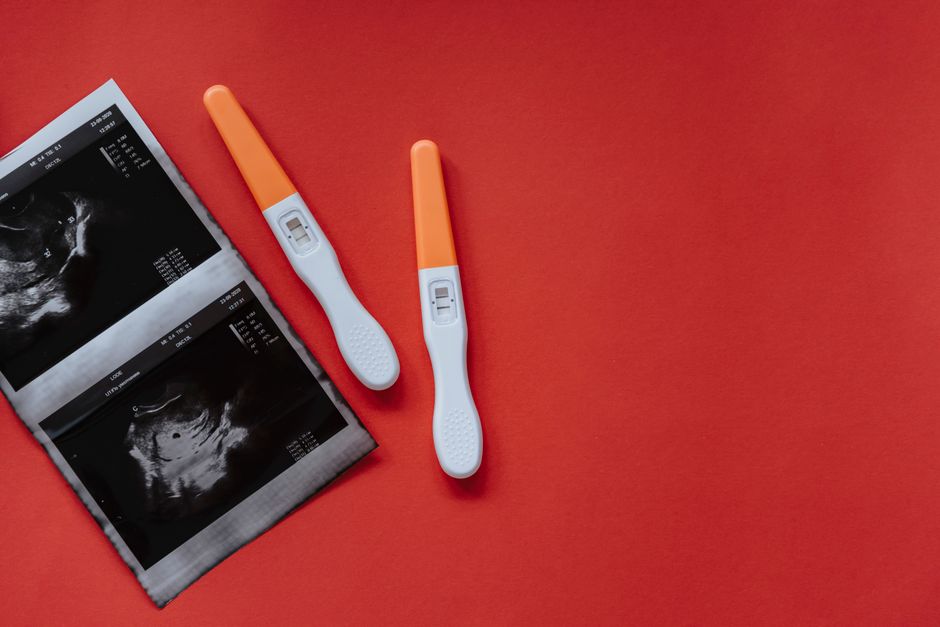
Having twins is not something you can fully control, but certain factors make it more likely. Age, genetics, and fertility treatments play the biggest roles. While no method guarantees twins, understanding these factors can help you set realistic expectations about your chances.
What Determines the Chance of Having Twins?
There are two types of twins: fraternal and identical. Fraternal twins happen when two separate eggs are released and fertilized by two different sperm. Identical twins happen when one fertilized egg splits into two embryos.
Identical twins occur at about the same rate worldwide, around 3 to 4 per 1,000 births. No known factor reliably increases the chance of identical twins. Fraternal twins are another story. Their rate varies widely by population and is influenced by several modifiable and non-modifiable factors.
Releasing more than one egg in a cycle – called hyperovulation – is the main cause of fraternal twins. Anything that raises the odds of hyperovulation can increase the chance of fraternal twins.
Does Family History Affect Your Chance?
Yes, but only on the mother’s side and only for fraternal twins. A family history of fraternal twins on the mother’s side suggests a genetic tendency to release multiple eggs. If your mother or grandmother had fraternal twins, you are more likely to have them too.
Father’s family history does not affect the chance. The gene for hyperovulation is passed through the mother. However, if you are male and your partner has a family history of twins, that would not change her odds because the relevant gene comes from her side.
How Does Age Influence Twin Conception?
Women over 35, and especially over 40, have a higher chance of having fraternal twins. As women age, hormone levels change. Follicle-stimulating hormone (FSH) rises, which can cause the ovaries to release more than one egg in a cycle.
This is a natural biological shift, not something you can control. The twin rate peaks around age 37 and then declines as fertility drops overall. So while your odds of twins go up in your late 30s, your overall chance of getting pregnant also drops.





Can Diet or Lifestyle Increase Your Odds?
The evidence for diet and lifestyle changes is weak. Some studies suggest women who consume dairy products may have a slightly higher rate of fraternal twins. One theory involves insulin-like growth factor (IGF), which may increase egg release. Dairy cows are often given growth hormones, and some research found higher twin rates among women who eat dairy, but the link is not proven.
Another popular idea is eating yams or cassava. Research from the Yoruba population in Nigeria, where yam consumption is high and twin rates are the world’s highest, sparked this idea. But no controlled clinical trials have confirmed that yams alone cause twins. Other genetic and dietary factors are likely at play.
Being overweight or obese (BMI over 30) is associated with a slightly higher chance of fraternal twins. This may be due to hormonal differences. However, carrying extra weight also increases pregnancy risks, so it is not a recommended strategy.
No supplement has been shown to increase twin rates in well-designed studies. Folic acid is important for all pregnancies to prevent neural tube defects, but it does not raise your odds of twins.
Do Fertility Treatments Raise the Twin Rate?
Yes, and this is the biggest factor. Fertility treatments significantly increase the chance of multiple births, including twins.
Medications like clomiphene citrate (Clomid) and gonadotropins stimulate the ovaries to produce multiple eggs. This raises the chance of releasing more than one egg in a cycle. Gonadotropins have a higher risk of multiples than Clomid.
In vitro fertilization (IVF) also increases twin rates, especially when more than one embryo is transferred. Many clinics now recommend single embryo transfer to reduce the risk of twins and higher-order multiples. Twins from IVF are still common, but the trend is moving toward fewer embryos per transfer.
It is important to note that fertility treatments carry increased risks for both mother and babies. Twin pregnancies have higher rates of complications regardless of how they are conceived.
Are There Medical Risks with Twin Pregnancy?
Twin pregnancy comes with higher risks than a single pregnancy. These include preterm birth, low birth weight, preeclampsia, gestational diabetes, and cesarean delivery. Babies born early may face breathing problems, feeding difficulties, and longer hospital stays.
Because of these risks, many fertility specialists aim to minimize multiple pregnancies. The goal is one healthy baby at a time. Some clinics have guidelines to avoid transferring multiple embryos unless medically necessary.
If you do conceive twins, your doctor will monitor you more closely. Extra ultrasounds, blood pressure checks, and glucose tests are standard. Most women with twins have healthy pregnancies and babies with good prenatal care.
Can You Conceive Twins Naturally on Purpose?
There is no proven way to intentionally conceive twins naturally. You cannot will your body to release two eggs. The factors that increase fraternal twin odds – age, family history, ethnicity, and body composition – are largely out of your control.
Some online advice suggests timing intercourse close to ovulation or using certain positions. No scientific evidence supports these methods. Conception timing does not affect egg release or embryo splitting.
The most honest answer is that if you want twins, your best chance is through fertility treatments – but those come with medical decisions you need to discuss with a specialist. Many people hope for twins but should understand the health risks involved as well.
Frequently Asked Questions
What is the best age to conceive twins?
Women over 35 and especially over 40 have a higher natural chance of fraternal twins due to rising FSH levels. However, overall fertility declines with age, so getting pregnant at all can be harder.
Does eating yams increase your chance of having twins?
No clinical studies have proven that yams or any specific food causes twins. The idea comes from high twin rates in a population that eats many yams, but other factors like genetics are likely responsible.
Are twins more common with IVF or Clomid?
Both increase twins, but gonadotropin injections carry a higher risk than Clomid. With IVF, the chance depends on how many embryos are transferred; single embryo transfer lowers the twin risk.
Can you increase your chance of identical twins?
No known factor increases identical twin odds. They occur at a stable rate worldwide, and no diet, lifestyle, or medical treatment has been shown to cause embryo splitting.
