
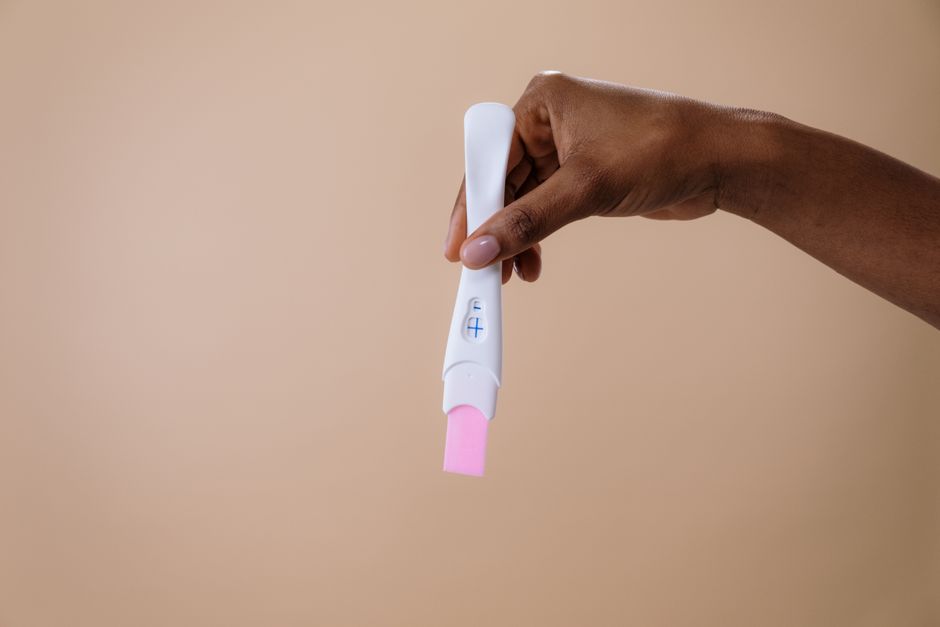
If you are trying to conceive and using a tretinoin cream for acne or wrinkles, the concern about fertility is understandable. Here is the direct answer: tretinoin is not known to harm fertility itself. It does not appear to prevent ovulation, block sperm production, or damage the reproductive organs. The real issue with tretinoin and pregnancy is not about getting pregnant. It is about what happens after conception, which is why doctors focus on stopping it before or as soon as pregnancy is confirmed.
Does Tretinoin Affect Fertility When Trying To Conceive?
Tretinoin does not reduce fertility in the way many people fear. Fertility depends mainly on ovulation, sperm health, and the ability of a fertilized egg to implant. Nothing in the established research suggests topical tretinoin interferes with any of these steps.
Tretinoin is a form of vitamin A, and it works by speeding up how fast skin cells turn over. When you apply it to your skin, a small amount enters your bloodstream. That amount is far lower than the levels reached by oral vitamin A medicines like isotretinoin, which is a different drug taken by mouth. The confusion between these two is one of the most common mix-ups in this whole conversation.
So when people ask whether tretinoin affects fertility, the honest answer is that the evidence does not point to a fertility problem. The concern that does have real backing is about pregnancy safety, not the ability to conceive.
Why Do People Worry About Tretinoin and Pregnancy?
The worry comes from a well-established risk. Vitamin A and related compounds, called retinoids, can cause serious birth defects when exposure happens during early pregnancy. This is why oral isotretinoin carries a strict pregnancy prevention program and why doctors are cautious with any retinoid in people who could become pregnant.
That risk is real and documented for oral retinoids. The question is whether topical tretinoin carries the same risk. Here the evidence is much less clear.
Topical tretinoin absorbs into the bloodstream at very low levels, much lower than oral forms. Because of this, many clinicians believe the risk to a developing fetus is small. But small is not the same as zero, and it is not the same as proven safe. That gap is exactly why most doctors still advise stopping topical tretinoin when you are trying to conceive or as soon as you find out you are pregnant.
The caution is not because tretinoin is known to cause harm when applied to the skin. It is because we cannot be certain it is harmless, and the potential downside is serious enough that caution makes sense.
Does Tretinoin Make It Harder to Get Pregnant?
No established evidence shows that topical tretinoin makes it harder to get pregnant. There is no known mechanism by which it would block ovulation or interfere with the menstrual cycle at the doses used on skin.
If you are having trouble conceiving, it is worth looking at the factors that genuinely affect fertility rather than pointing at your skincare. Common influences include:
- Age, which affects egg quality and quantity in women and sperm health in men
- Ovulation disorders, such as polycystic ovary syndrome
- Blocked or damaged fallopian tubes
- Sperm problems, including low count or poor movement
- Thyroid conditions and other hormonal imbalances
- Weight, smoking, heavy alcohol use, and certain medications
None of these is tretinoin. If you have been trying for a year, or six months if you are over 35, talking to a doctor about fertility testing is a more useful step than worrying about your face cream.





What About Isotretinoin (Accutane)?
Isotretinoin is where the serious fertility and pregnancy concerns actually live, and even then the picture is about pregnancy safety, not fertility. Isotretinoin is an oral drug for severe acne. It is a known cause of severe birth defects when taken during pregnancy.
Because of this, people who can become pregnant are usually required to use two forms of birth control and take regular pregnancy tests while on the drug. This is one of the most tightly controlled medications in the United States for exactly this reason.
Does isotretinoin affect fertility? The evidence does not show that it prevents pregnancy from happening. Its danger is to a pregnancy that has already started. Some men worry it affects sperm, and there has been debate about this, but the evidence is not strong enough to say it causes lasting male infertility. If you are a man taking isotretinoin and concerned about fertility, that is a question for your prescriber, not something to assume either way.
The key point: isotretinoin and topical tretinoin are not the same drug, not the same dose, and not the same risk. Treating them as identical leads to unnecessary panic about a skin cream.
What Should You Do If You Are Trying to Conceive?
Most doctors advise stopping topical tretinoin before you start actively trying, or at the latest when you get a positive pregnancy test. This is a precaution based on avoiding any uncertain risk during early fetal development, which is when the neural tube and other key structures form.
If you stop tretinoin, your skin may go through a period of adjustment. Acne can flare, and fine lines may return over time. This is temporary, and there are pregnancy-safe alternatives your doctor can suggest.
Options often discussed for use during pregnancy or while trying to conceive include:
- Azelaic acid, which is commonly considered a safer option for acne in pregnancy
- Glycolic acid and other gentle exfoliants
- Niacinamide for redness and uneven tone
- Benzoyl peroxide for acne, though it is worth confirming with your doctor
This is not a complete list, and it is not medical advice for your specific situation. Some ingredients that seem gentle can still be questioned in pregnancy, so the right move is to show your current products to your doctor or pharmacist and ask what to keep and what to pause.
One detail people often miss: tretinoin is not only in prescription creams. It can appear in some over-the-counter products under related names, and vitamin A derivatives show up in a range of skincare. Reading labels carefully matters if you are being cautious.
Can Men Use Tretinoin While Their Partner Is Trying to Conceive?
For men, the concern is much smaller. Topical tretinoin applied by a man is not thought to pose a risk to his partner’s pregnancy or to a developing fetus through skin contact or sperm.
The main caution with topical retinoids and male fertility would be the same as for anyone: there is no strong evidence that topical use harms sperm. If a man is taking oral isotretinoin, that is a different conversation, and the evidence on sperm effects is not clear enough to make firm claims. A prescriber can address that directly.
In short, a man using a tretinoin cream while his partner is trying to conceive is not a situation that typically raises the same red flags as a woman using it.
The Bottom Line on Tretinoin and Fertility
Tretinoin does not appear to affect fertility. The evidence does not show that it prevents conception, disrupts ovulation, or harms sperm. The genuine concern is pregnancy safety, and even there the evidence for topical tretinoin is limited rather than definitive.
That is why the guidance is cautious rather than alarming. Stop the cream before or early in pregnancy as a precaution. Do not panic that it has damaged your chances of conceiving. And if you are struggling to get pregnant, look at the factors that actually drive fertility and get proper testing rather than blaming your skincare.
The most useful thing you can do is talk to your doctor about your specific products and your plans. They can help you sort the real risks from the noise.
Frequently Asked Questions
Does tretinoin affect fertility when trying to conceive?
No established evidence shows that topical tretinoin affects fertility or prevents pregnancy. The concern with tretinoin is pregnancy safety after conception, not the ability to conceive.
Should I stop using tretinoin before trying to get pregnant?
Most doctors advise stopping topical tretinoin before you start trying or as soon as you get a positive test. This is a precaution because the safety of topical tretinoin in early pregnancy is not fully established.
Is topical tretinoin the same as Accutane for pregnancy risk?
No, they are different. Accutane is oral isotretinoin, which is a known cause of severe birth defects, while topical tretinoin absorbs into the blood at much lower levels.
Can my partner use tretinoin cream while we are trying to conceive?
A man using topical tretinoin is not thought to pose a risk to his partner’s pregnancy or to a developing fetus. There is no strong evidence that topical use harms sperm.
