
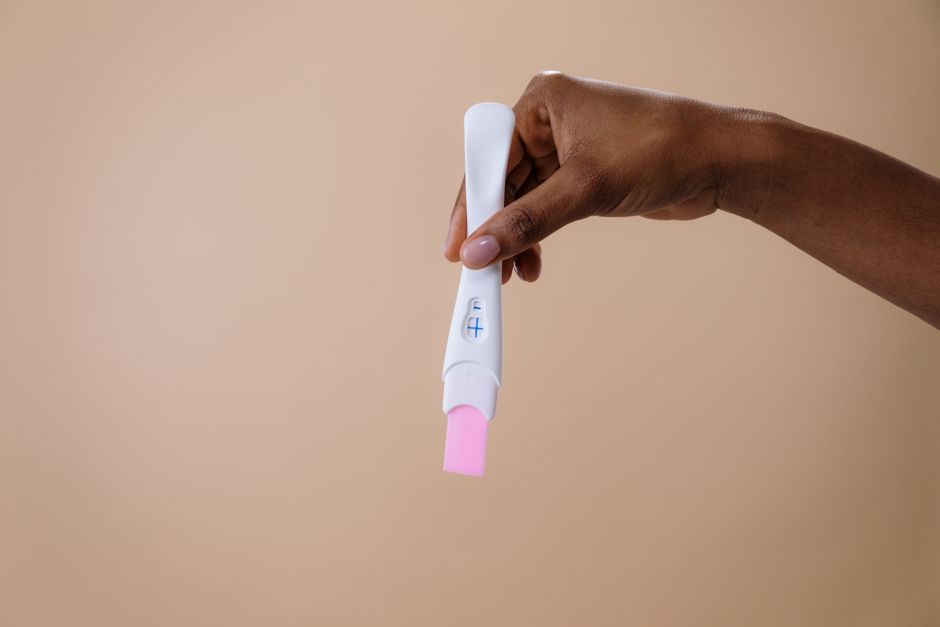
You are most likely to conceive during the five days before ovulation and on the day of ovulation itself. Sperm can survive in the female reproductive tract for up to five days, while an egg lives only about 12 to 24 hours after release. That short window means the days leading up to ovulation matter more than the day after.
When Are U Most Likely To Conceive? The Fertile Window Explained
The fertile window is the span of days when intercourse can lead to pregnancy. It ends on the day of ovulation and begins roughly five days before it.
This timing comes down to how long sperm and eggs each survive. Sperm deposited in cervical mucus can remain viable for several days. The egg, once released from the ovary, begins to deteriorate within about a day if it is not fertilized. So pregnancy is possible from intercourse that happens before ovulation, not just on the day itself.
Research on conception timing has found that the probability of pregnancy rises sharply in the two days before ovulation and peaks around the day before and the day of ovulation. Intercourse earlier in the window can still lead to pregnancy, but the odds are lower.
One detail people often miss: the “day of ovulation” is hard to pin down in real time. Most methods estimate it after the fact. That is one reason trying across the whole window is more reliable than aiming at a single day.
How Long Does Ovulation Last?
Ovulation is a single event, not a phase that lasts for days. The egg is released once, and the window for fertilization closes within about 24 hours.
The confusion comes from how ovulation is described. Some sources talk about an “ovulation period” that stretches across a few days, but that refers to the surrounding fertile window, not the release itself.
The whole menstrual cycle is usually 28 days on average, though a normal cycle can range from about 21 to 35 days. Ovulation typically occurs around the midpoint, but this varies widely between people and even between cycles in the same person.
Stress, illness, travel, and changes in sleep can all shift when ovulation happens. A cycle that is usually regular can produce an early or late ovulation without any obvious cause.
How Can You Tell When You Are Ovulating?
No single sign confirms ovulation on its own. The most reliable approaches combine more than one method.
Cervical mucus changes. As ovulation approaches, mucus typically becomes clearer, wetter, and stretchier, similar to raw egg white. This type of mucus helps sperm survive and move. After ovulation, it usually becomes thicker and less hospitable.
Basal body temperature. Tracking your temperature first thing each morning can show a slight rise after ovulation. This confirms that ovulation happened, but it happens too late to help you time intercourse in that cycle. It is more useful for spotting patterns over several months.
Ovulation predictor kits. These detect a surge in luteinizing hormone (LH) in urine. The LH surge usually occurs about 24 to 36 hours before ovulation. A positive result generally means ovulation is likely within a day or two. These kits can be helpful, but they are not perfect, and some people get false positives or miss the surge.
Calendar tracking. Counting days works only if your cycles are regular. If your cycle length varies, calendar predictions can be off by several days.




Does Cycle Length Change Your Fertile Window?
Yes, and this is where many people go wrong. The fertile window is not fixed to specific calendar days. It shifts based on when you ovulate.
The second half of the cycle, called the luteal phase, tends to be more consistent, usually around 12 to 14 days. Ovulation happens before that phase begins. So if your cycle is shorter or longer than average, ovulation shifts earlier or later.
- A 28-day cycle often means ovulation around day 14.
- A 24-day cycle may mean ovulation closer to day 10.
- A 35-day cycle may mean ovulation closer to day 21.
These are general patterns, not rules. Two people with the same cycle length can ovulate on different days. Even one person’s ovulation day can move from month to month.
This is why counting from the first day of your period is a rough guide at best. If you are trying to conceive and your cycles are irregular, tracking physical signs or using ovulation tests will give you more useful information than the calendar alone.
How Often Should You Have Sex to Conceive?
For most couples trying to conceive, having sex every one to two days during the fertile window gives the best chance. This keeps sperm available without relying on perfect timing.
There is a common belief that abstaining for several days builds up sperm and improves the odds. The evidence does not strongly support this for most couples. Regular ejaculation every one to two days is generally associated with healthy sperm quality. Longer abstinence can actually reduce sperm motility in some men.
If daily sex is not practical, every other day during the window is a reasonable approach. The key point is to cover the days before ovulation, not just the day itself.
Some lubricants can interfere with sperm. If you use one, water-based products labeled as sperm-friendly are a better choice than oil-based or flavored options. This is a small factor, but it is easy to address.
What Reduces Your Chances of Conceiving?
Several factors can lower the odds of pregnancy, and some are within your control.
Age. Fertility declines with age, and the decline speeds up after the mid-30s. This is mainly due to changes in egg quantity and quality. Age affects the chance of conception per cycle, not just the chance of pregnancy overall.
Smoking. Smoking is linked to lower fertility in both men and women. It can affect egg and sperm quality and is associated with earlier menopause.
Weight extremes. Being significantly underweight or overweight can disrupt ovulation. Body fat plays a role in hormone regulation, and both too little and too much can interfere with regular cycles.
Heavy alcohol use. Heavy drinking is associated with reduced fertility. The evidence for light drinking is less clear, and guidance varies.
Untreated health conditions. Thyroid problems, polycystic ovary syndrome (PCOS), and other conditions can affect ovulation. These are worth discussing with a clinician if cycles are irregular or conception is taking longer than expected.
It is worth being honest about what the evidence does not show. Many supplements and “fertility boosters” sold online have little or no human trial data behind them. A few, like folic acid for preventing certain birth defects, are well supported. Most others are not.
When Should You Seek Help?
Many couples conceive within a year of trying. If you have been trying for 12 months without success, it is reasonable to seek evaluation. For women over 35, some clinicians suggest seeking help after 6 months.
There are situations where earlier evaluation makes sense. These include very irregular or absent periods, a known history of fertility problems, previous pelvic surgery, or a partner with known sperm issues.
Tracking your cycle for a few months before you seek help gives your clinician useful information. It also helps you understand your own patterns, which can reduce some of the uncertainty that comes with trying to conceive.
Frequently Asked Questions
What are the most fertile days of a woman’s cycle?
The most fertile days are the two days before ovulation and the day of ovulation. The full fertile window spans about five days before ovulation through the day after.
Can you get pregnant the day after ovulation?
It is unlikely but not impossible. The egg usually survives only about 12 to 24 hours after release, so the day after ovulation is at the very edge of the window.
How do I know if I am ovulating?
Signs include clearer, stretchier cervical mucus and a slight rise in basal body temperature after ovulation. Ovulation predictor kits can also detect the hormone surge that precedes it.
Does having sex every day reduce sperm quality?
For most men, daily ejaculation does not harm sperm quality. In fact, longer gaps between ejaculations can lower sperm motility in some cases.
