
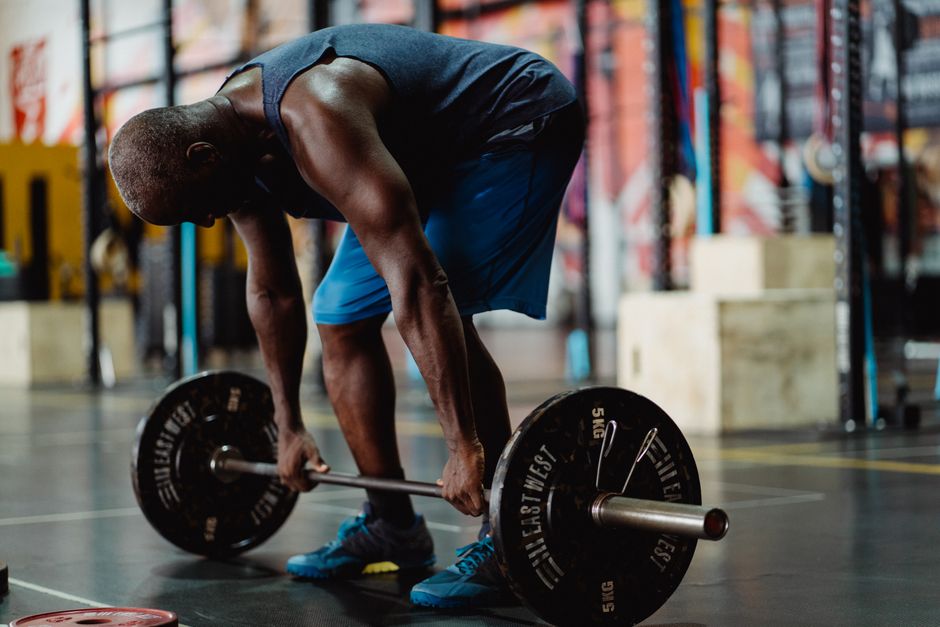
Competing in powerlifting for the first time is a straightforward process: you pick a meet, register, train through the meet date, and show up to lift a squat, bench press, and deadlift in front of judges. The sport is governed by strict rules about how each lift must be performed, and your goal is to complete all three lifts with the heaviest weights you can handle. You do not need to be an elite athlete to enter — most meets have divisions for beginners, and lifters of all ages and body weights compete regularly.
What Do You Need Before You Register?
Before you sign up, you need a basic level of comfort with the three lifts. You should be able to perform a squat, bench press, and deadlift with a loaded barbell using proper technique. You do not need to be strong by any standard — the meet is about competing against yourself and others in your weight class, not about hitting a qualifying total.
Most first-time competitors have been training for at least a few months. Some have trained for years. There is no minimum strength requirement to enter a local meet. If you can squat, bench, and deadlift with a barbell, you can compete.
You also need to know which federation you want to compete in. The major ones in the United States include USA Powerlifting (USAPL), USPA, and Powerlifting America. Each federation has slightly different rules, equipment standards, and drug-testing policies. For a first meet, the most important thing is to choose one that is close to you and has a date that fits your schedule.
Weigh-in procedures differ between federations. Some require you to weigh in the morning of the meet. Others allow a 24-hour weigh-in window. If you are not cutting weight, this matters less. For your first meet, it is wise to compete at your normal body weight and avoid any weight manipulation.
How Do You Choose Your First Meet?
Local meets are the best option for a first competition. Regional and national meets are larger, more competitive, and often require qualifying totals. A local meet in your area will have a smaller field, a more relaxed atmosphere, and lifters of all experience levels.
Look for a meet that is at least 8 to 12 weeks away. This gives you time to train specifically for the competition format. Check the federation’s rules before you register so you know what equipment is allowed and what the judging standards are.
Contact the meet director if you have questions. They are usually happy to help first-time lifters understand the schedule, what to bring, and how the day will flow. Many meets also have a rookie or novice division specifically for first-time competitors.
How Do You Train for a Powerlifting Meet?
Your training in the weeks before the meet should focus on the three competition lifts. This is not the time to experiment with new exercises or radically change your program. Stick with what you know works for you.
Most lifters follow a structured program that includes heavy singles, doubles, or triples in the competition lifts, along with accessory work for weak points. If you do not have a coach, a simple linear progression program can work well for a beginner. The goal is to build strength steadily without peaking too early.
In the final 1 to 2 weeks before the meet, you should taper. This means reducing your training volume and intensity so your body is fresh on meet day. A common approach is to take your last heavy training session about 7 days before the meet, then do only light, technique-focused work in the final week.
Practice your attempts. In a meet, you get three attempts at each lift. Your first attempt should be a weight you can hit comfortably — something you could do for a triple on a good day. Your second attempt should be a solid effort, and your third should be a personal record attempt. Practice this progression in training so you know what weights to call on meet day.




What Equipment Do You Need for Competition?
You will need a few specific items to compete. These vary slightly by federation, but the basics are consistent.
- Singlet: A one-piece singlet is required in every powerlifting federation. It must be worn during all three lifts. You can purchase one from most strength equipment retailers.
- Lifting shoes: Flat-soled shoes for deadlifting and squat shoes with a raised heel are common. The specific requirements depend on the federation.
- Knee sleeves or wraps: Some federations allow both. Others have restrictions on the type and thickness. Check your federation’s rulebook.
- Belt: A lifting belt is optional but common. It must meet the federation’s specifications for width and material.
- Wrist wraps: These are optional and must meet the federation’s rules.
- Socks: Required for the deadlift in most federations. They must cover the shin.
Do not buy expensive equipment for your first meet. A basic singlet, a belt if you already use one, and appropriate shoes are enough. Many federations have a list of approved equipment on their website. Check it before you buy anything.
What Happens on Meet Day?
Meet day is long. Plan to be at the venue for several hours. The schedule typically starts with weigh-ins, followed by equipment check, then the lifts begin.
The order of lifts is always the same: squat, bench press, deadlift. Each lifter gets three attempts per lift. You will be called to the platform when it is your turn, and you will have a limited amount of time to begin your attempt — usually 1 minute from when your name is called.
Judges watch each lift closely. For the squat, you must descend until the crease of your hip is below the top of your knee, then stand back up with the bar steady. For the bench press, the bar must touch your chest and pause briefly before you press it back up. For the deadlift, you must lift the bar from the floor to a fully locked-out position with your shoulders back.
Three judges sit at the platform. Each one gives a white light for a good lift or a red light for a failed lift. Two white lights mean the lift counts. If you fail a lift, you can attempt that same weight again or lower it for your next attempt — but you cannot increase the weight after a failed attempt.
Your total is the sum of your best successful squat, bench press, and deadlift. If you fail all three attempts in one lift, you are eliminated from the competition. This is rare but it happens, so choose your opener wisely.
How Do You Choose Your Attempt Weights?
Your opener is the most important attempt of the day. It should be a weight you are confident you can hit even on a bad day. Many coaches recommend opening at about 90% of your best recent training lift. This gets you on the board and gives you confidence for the rest of the day.
Your second attempt should be a weight you have hit recently in training, or one you are very confident about. This is often around 95% of your best. Your third attempt is your record attempt — the weight you are trying to hit for the first time.
Do not get greedy. A common mistake for first-time lifters is opening too heavy and then missing their opener, which puts them in a mental hole for the rest of the meet. A conservative opener is always better than a missed one.
Between attempts, you will have roughly 5 to 10 minutes to rest, depending on how many lifters are in your flight. Use this time to stay warm, review your next attempt, and hydrate.
What Should You Know About the Rules?
Each federation publishes a full rulebook online. You do not need to memorize it, but you should know the basics of each lift.
In the squat, you must wait for the head judge to give the command “squat” before you begin. You must then descend to proper depth and return to a standing position. You cannot jump or bounce out of the bottom.
In the bench press, you must wait for the commands “start” and “press.” The bar must touch your chest and pause motionless before the press command is given. Your feet must stay flat on the floor, and your buttocks must stay on the bench.
In the deadlift, there is no start command. You grip the bar and lift. The lift is complete when you are standing upright with your knees locked and shoulders back. You must wait for the “down” command before lowering the bar.
These commands are strict. Practicing with a training partner who can give you commands will help you prepare for the real thing.
What Mistakes Do First-Time Lifters Make?
The most common mistake is opening too heavy. This leads to a missed opener and a stressful rest of the day. Start light and build up.
Another mistake is not knowing the rules. Lifters get red-lighted for things like not waiting for the press command or not hitting depth in the squat. Read the rulebook for your federation before meet day.
Some lifters also fail to warm up properly between attempts. You need to keep your body warm and your nervous system primed. Do light sets with the empty bar and gradually increase the weight between your attempts.
Finally, many first-time lifters underestimate how long the day takes. Bring food, water, and comfortable clothes to wear between lifts. You will be sitting around a lot, and you need to stay fueled and focused.
Frequently Asked Questions
How long does a powerlifting meet last?
A local meet typically lasts 4 to 6 hours, depending on the number of lifters. Larger meets can run 8 hours or more.
Do I need a coach to compete in powerlifting?
No, a coach is not required. Many first-time lifters compete without one, but having an experienced friend or coach on meet day can help you choose attempts and stay calm.
Can I compete if I am not strong?
Yes. Powerlifting meets have divisions for all levels, and your total is compared only against others in your weight class and age group. There is no minimum strength requirement.
What happens if I fail all three attempts in one lift?
You are eliminated from the competition and do not receive a total. This is why choosing a conservative opener is so important.
