
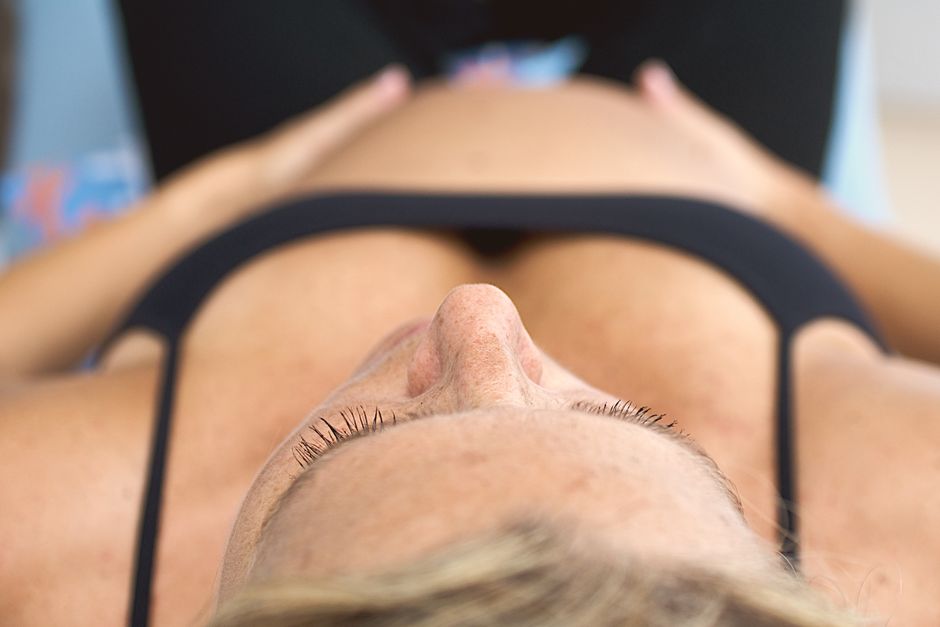
Swelling in pregnancy is common, and in most cases it is a normal response to carrying a baby, not a sign that something is wrong. The main ways to combat it are simple: put your feet up when you can, keep moving, stay hydrated, and avoid standing still for long stretches. Most everyday swelling can be managed at home, but sudden or severe swelling needs medical attention right away.
Here is what is actually happening in your body, what helps, what does not, and the warning signs that mean you should call your doctor instead of reaching for another pillow.
Why Does Pregnancy Cause Swelling?
Your body is holding more fluid than usual, and it is holding it on purpose.
During pregnancy, blood volume increases substantially to support the growing baby and the placenta. At the same time, pregnancy hormones cause blood vessels to relax and widen. A growing uterus also presses on the large veins that return blood from your legs to your heart, which slows that return trip. When fluid moves out of the bloodstream into surrounding tissue and does not get pushed back efficiently, it collects. Gravity pulls it downward, so it shows up most in the feet, ankles, and lower legs.
This type of swelling is called edema. It is most noticeable in the third trimester, and it often gets worse at the end of the day or in hot weather. Swelling in the hands and face can also happen, though it is usually milder.
Some swelling is expected. The question is always whether what you are seeing is the ordinary kind or something that needs a closer look.
What Actually Helps Swelling During Pregnancy?
Elevation and movement are the two most reliable things you can do, because both help fluid move back toward your heart instead of pooling in your legs.
- Put your feet up. When you sit or lie down, prop your feet above the level of your heart. A stack of pillows works. Do this a few times a day, not just at night.
- Lie on your left side. This position takes pressure off the large vein on your right side that returns blood from your lower body. Many clinicians suggest it, and it is widely used in pregnancy care.
- Keep moving. Walking and gentle activity use your calf muscles, which act like pumps that push fluid out of your legs. Sitting or standing still for hours lets fluid settle.
- Take breaks from standing. If your job keeps you on your feet, shift your weight, flex your ankles, and sit down when you can.
- Wear loose clothing. Tight socks, bands, or shoes can restrict circulation. Comfortable, supportive footwear matters more than style right now.
- Stay hydrated. Drinking enough water does not cause swelling. Your body tends to hold onto fluid when it is short on it, so cutting back can work against you.
- Use cool compresses. A cool cloth or a soak in cool water can ease discomfort. It does not treat the cause, but it can help you feel better.
None of these are cures. They reduce the buildup and make the day more comfortable. That is a realistic goal.
Do Compression Stockings Help?
Compression stockings are one of the better-supported options for leg swelling, though the evidence in pregnancy specifically is more limited than the evidence in other conditions.
The idea is straightforward: graduated pressure, tightest at the ankle and looser as it goes up, helps push fluid back toward the heart and keeps it from pooling. Some clinicians recommend them for pregnancy-related leg swelling, and they are commonly used. That said, this is a case where common practice runs a little ahead of large pregnancy-specific trials. The evidence base is not as strong as it is for some other uses of compression.
If you want to try them, a few practical points:
- Get fitted properly. The wrong size can restrict blood flow instead of helping.
- Put them on first thing in the morning, before swelling builds up.
- Compression stockings are not the same as tight socks. Do not substitute regular tight socks and expect the same effect.
- Ask your doctor before using them if you have circulation problems or other health conditions.
If you have signs of a blood clot — one leg that is much more swollen, red, warm, or painful — do not put on a stocking. Seek care right away.


What Should You Avoid?
Several popular ideas either do not help or can cause harm.
Do not cut back on water. Reducing fluids does not reduce swelling and can make it worse. Your body needs steady fluid intake during pregnancy.
Be cautious with diuretics. These are medications that make you urinate more. They are not appropriate for routine pregnancy swelling and should only ever be used if a doctor prescribes them for a specific reason. Do not take them on your own.
Skip the “detox” teas and supplements. Products marketed for water retention often contain herbs with unclear effects in pregnancy. No reliable evidence supports them for pregnancy swelling, and some ingredients are not considered safe during pregnancy. If a product promises to “flush out” fluid, treat that as a reason to leave it on the shelf.
Avoid long periods of standing or sitting without breaks. This is not a product you buy, but it is one of the most common reasons swelling gets worse.
Do not ignore swelling that appears suddenly. More on that next, because it matters.
When Is Swelling a Warning Sign?
Most pregnancy swelling is harmless. Some swelling is a medical emergency, and the difference can be hard to judge on your own.
Call your doctor right away, or go to emergency care, if you have:
- Sudden swelling in your hands, face, or around your eyes
- Swelling that comes on quickly over a day or two, rather than gradually
- Severe headache that will not go away
- Vision changes, like blurring or seeing spots
- Upper abdominal pain, often on the right side
- Sudden swelling in just one leg, especially with pain, redness, or warmth
- Shortness of breath or chest pain
These can be signs of serious conditions, including preeclampsia, which involves high blood pressure during pregnancy, or a blood clot in the leg or lung. Both need urgent care. Do not wait to see if it improves on its own.
This is the part where being cautious is not overreacting. It is the right call.
Does Swelling Last After Birth?
Swelling often gets worse in the first few days after delivery before it gets better.
Here is the part many people do not expect: your body is still shifting a large amount of extra fluid, and as hormone levels change, that fluid moves around. Many people notice more swelling in the legs and feet right after giving birth than they had near the end of pregnancy. It usually eases over the following days to weeks as your body sheds the extra fluid.
If you had an epidural or a long labor, or if you had a cesarean delivery, some extra swelling is also common. Keep moving as you are able, elevate your legs, and follow your care team’s guidance. Tell your doctor if swelling is severe, one-sided, or comes with pain, redness, or trouble breathing — the same warning signs apply after birth as before it.
Can Diet or Salt Make Swelling Worse?
Extreme salt restriction is not the answer, and cutting salt to a very low level is not something to do during pregnancy without medical guidance.
Salt does affect how your body handles fluid, but pregnancy swelling is driven mainly by blood volume, hormones, and pressure on veins — not by a single meal. The general direction most clinicians support is a balanced diet rather than a drastic one. That means regular meals, enough protein, and steady fluids.
What is reasonable:
- Eat a normal, balanced diet rather than a very low-salt one unless your doctor tells you otherwise.
- Limit heavily processed foods if you find they make you feel more puffy, but do not treat this as a treatment.
- Keep drinking water throughout the day.
No specific food or supplement has been shown to reliably reduce pregnancy swelling. Be skeptical of anything marketed as a fix.
What About Heat and Weather?
Hot weather and warm indoor environments make swelling worse, and this is well established.
Heat causes blood vessels to widen, which lets more fluid move into surrounding tissue. That is why ankles and feet look puffier on a summer day or after a warm bath. Practical steps: stay in air conditioning when you can, avoid long stretches in direct sun, wear loose clothing, and elevate your legs during the hottest part of the day.
Cooling down does not treat the underlying cause, but it reduces how much fluid collects. For many people, that is enough to make a real difference in comfort.
Frequently Asked Questions
How do I reduce swelling in my feet during pregnancy?
Elevate your feet above heart level several times a day, keep walking, and avoid standing or sitting still for long periods. Lying on your left side can also help fluid move back toward your heart.
Is swelling in pregnancy normal?
Mild swelling in the feet, ankles, and legs is common and usually normal, especially in the third trimester. Sudden or severe swelling in the hands or face, or swelling in only one leg, is not normal and needs prompt medical attention.
Should I drink less water to stop swelling?
No. Cutting back on fluids does not reduce pregnancy swelling and may make it worse, since your body tends to hold onto fluid when it is short on it.
When should I worry about swelling during pregnancy?
Worry if swelling comes on suddenly, affects your face or hands, or appears in just one leg with pain, redness, or warmth. Severe headache, vision changes, upper abdominal pain, or shortness of breath along with swelling are reasons to seek emergency care right away.
