
A collapsed lung happens when air leaks into the space between your lung and your chest wall. That air pushes against the outside of the lung, making it shrink or collapse. The medical term is pneumothorax. It is a serious condition that needs prompt medical care, and in some cases it can be life-threatening.
What Does It Mean to Collapse a Lung?
A collapsed lung is not the same as a lung that simply loses air when you exhale. It is a physical event. Air enters the pleural space — the thin, fluid-filled gap between the lung and the inner chest wall. Once air collects there, it breaks the seal that keeps the lung expanded against the chest wall.
The lung then deflates like a punctured balloon. The amount of collapse can range from tiny to complete. Even a small collapse can cause significant pain and breathing problems. A large collapse can be a medical emergency.
There are two main types of pneumothorax. A traumatic pneumothorax happens from an injury, such as a rib fracture, a knife wound, or a car accident. A spontaneous pneumothorax happens without any obvious injury. It often occurs when a small air blister on the lung surface, called a bleb, ruptures on its own.
What Causes a Lung to Collapse?
Several events can cause a lung to collapse. The most common cause is chest trauma. A broken rib can puncture the lung. Any penetrating wound to the chest — from a bullet, a knife, or even a medical procedure — can let air into the pleural space.
Medical procedures are another leading cause. Doctors sometimes need to insert needles or catheters into the chest, such as during a lung biopsy or when placing a central line. These procedures carry a small risk of accidentally puncturing the lung.
Spontaneous pneumothorax is different. It can happen with no warning and no injury. Tall, thin young men are the most commonly affected group. Smoking increases the risk substantially. People with lung diseases like COPD, asthma, or cystic fibrosis are also at higher risk.
Some people develop a collapsed lung as a complication of mechanical ventilation. The pressure from a breathing machine can rupture lung tissue in certain situations. This is more common in people with already damaged lungs.
What Are the Symptoms of a Collapsed Lung?
Symptoms usually come on suddenly. The most common symptom is a sharp chest pain that gets worse when you breathe in deeply or cough. You may also feel short of breath. The severity of symptoms depends on how much of the lung has collapsed.
Other symptoms can include:
- A rapid heart rate
- A dry, hacking cough
- Fatigue or weakness
- A feeling of tightness in the chest
- Bluish skin color in severe cases, from low oxygen
If the collapse is small, you might feel only mild discomfort. Some people have no symptoms at all and only discover the collapse on an X-ray taken for another reason. But a large collapse can cause severe breathing difficulty, a drop in blood pressure, and shock.
A tension pneumothorax is the most dangerous form. Air keeps entering the pleural space but cannot escape. Pressure builds up and pushes the heart and major blood vessels to the side. This is a life-threatening emergency that requires immediate treatment.





How Is a Collapsed Lung Diagnosed?
Doctors usually start with a physical exam. They listen to your lungs with a stethoscope. A collapsed lung often produces decreased or absent breath sounds on the affected side.
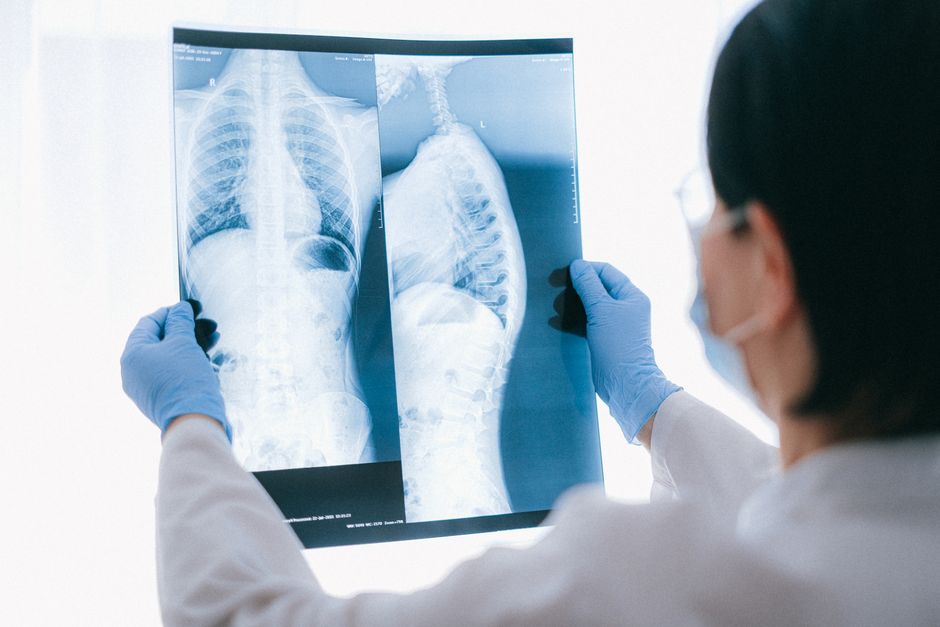
A chest X-ray is the standard test to confirm the diagnosis. It shows the edge of the collapsed lung and the air pocket around it. The size of the collapse helps doctors decide on treatment.
In some cases, a CT scan is used. A CT scan can detect very small collapses that do not show up on a regular X-ray. It can also reveal blebs or other underlying lung problems. Ultrasound is sometimes used in emergency settings, particularly for trauma patients.
Doctors also measure oxygen levels in your blood using a small sensor on your finger, called a pulse oximeter. This helps determine how much your breathing is affected.
How Is a Collapsed Lung Treated?
Treatment depends on the size of the collapse and your symptoms. A very small collapse with mild symptoms may heal on its own. The body reabsorbs the trapped air over time, usually within one to two weeks. You may only need oxygen therapy and close monitoring.
A larger collapse requires intervention. The most common treatment is inserting a chest tube. This is a flexible plastic tube that a doctor places between your ribs into the pleural space. The tube drains the air and allows the lung to re-expand. The tube typically stays in place for a few days until the leak seals.
Needle aspiration is another option for some moderate collapses. A doctor uses a needle and syringe to draw the air out. This can be done in an emergency room and avoids the need for a chest tube in some cases.
Surgery may be needed if the lung does not re-expand, if the air leak continues, or if you have had multiple collapses. Surgeons can remove the blebs that caused the problem and perform a procedure called pleurodesis, which sticks the lung to the chest wall to prevent future collapses.
Can You Collapse a Lung on Purpose?
No one should attempt to collapse their own lung. This is not a party trick or a method to avoid obligations. It is a serious medical event that can lead to permanent damage or death.
People sometimes ask this question out of curiosity or after hearing about it in movies. The reality is that deliberately collapsing a lung carries enormous risk. You cannot control the size of the collapse. What starts as a small air leak can quickly become a tension pneumothorax, which can stop your heart.
Even a “small” collapse requires medical evaluation. There is no safe way to do this at home. If you are experiencing chest pain or trouble breathing, seek emergency medical care immediately. Do not wait to see if it passes.
How Can You Prevent a Collapsed Lung?
You cannot always prevent a collapsed lung. Spontaneous pneumothorax often happens without warning. But you can reduce your risk.
The single most important step is to stop smoking. Smoking damages lung tissue and increases the risk of blebs rupturing. The risk of a spontaneous pneumothorax is significantly higher in smokers than in non-smokers.
If you have had a collapsed lung before, your risk of another one is higher. About one in three people will have a recurrence within a few years. Some people choose surgery to reduce this risk.
Avoid rapid pressure changes if you are at risk. Scuba diving is particularly dangerous for people who have had a pneumothorax. The pressure changes underwater can cause a collapsed lung. Most doctors advise people with a history of pneumothorax to avoid diving permanently.
Flying in an airplane shortly after a pneumothorax can also be risky. The cabin pressure changes can worsen the condition. Doctors generally recommend waiting until the lung has fully healed and been confirmed stable on imaging before flying.
What Is the Outlook After a Collapsed Lung?
Most people recover fully from a collapsed lung. The lung usually re-expands completely once the air is removed and the leak seals. Most people return to normal activities within a few weeks.
However, recovery time varies. Small collapses treated with observation may take one to two weeks to resolve. Larger collapses treated with a chest tube may require a short hospital stay and several weeks of limited activity.
You should avoid heavy lifting, strenuous exercise, and contact sports until your doctor clears you. These activities could increase the risk of the lung collapsing again while it is still healing.
The main long-term concern is recurrence. The risk of a second pneumothorax is real, especially in the first year. If you have repeated collapses, your doctor may recommend surgery to prevent future episodes.
Frequently Asked Questions
How long does it take to recover from a collapsed lung?
Most people recover within a few weeks. Small collapses may heal in one to two weeks, while larger ones treated with a chest tube may take longer.
Can a collapsed lung heal without treatment?
A very small collapse can heal on its own. Your body reabsorbs the trapped air, but you still need medical monitoring to ensure it does not get worse.
Is a collapsed lung the same as a punctured lung?
The terms are often used interchangeably. A punctured lung is one cause of a collapsed lung, but a collapse can also happen spontaneously without any puncture.
Can you fly after a collapsed lung?
You should not fly until your doctor confirms the lung has fully healed. Cabin pressure changes can worsen a recent pneumothorax.
