
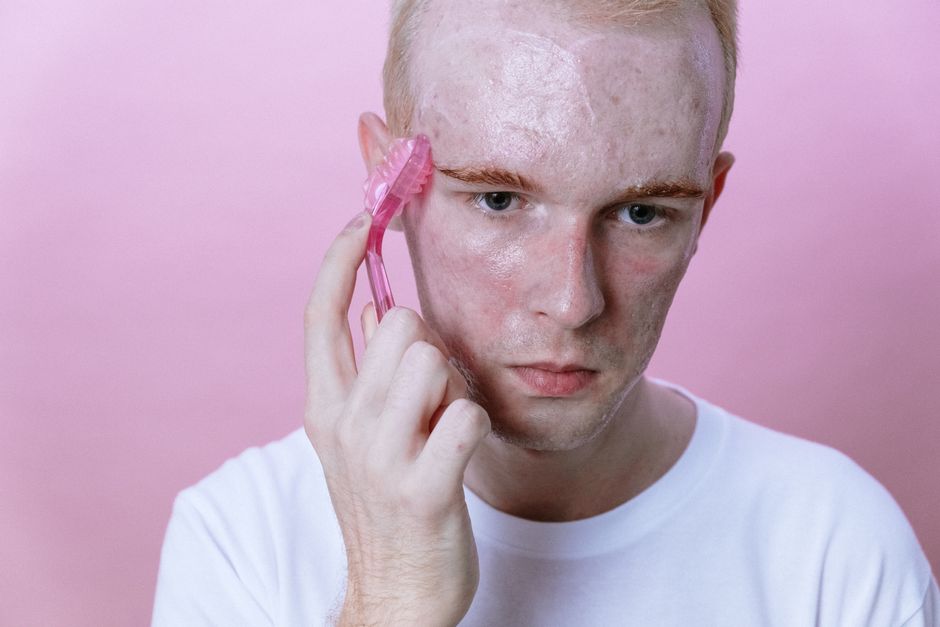
Hormonal acne is driven by oil production and inflammation that shift with your cycle, stress, and other internal factors — not by a dirty face or a single bad product. Clearing it quickly means calming the oil-and-inflammation cycle while you address the hormonal trigger underneath. The fastest real improvement comes from combining a consistent topical routine, a few targeted ingredients, and — for moderate to severe cases — prescription treatment guided by a doctor.
There is no overnight fix that works for everyone. Anyone promising clear skin in 48 hours is selling something. But there are steps with genuine evidence behind them, and knowing which ones actually work saves months of trial and error.
What Actually Makes Acne “Hormonal”?
Hormonal acne is acne driven mainly by androgens — hormones like testosterone that both men and women produce. Androgens tell the sebaceous glands in your skin to make more oil. More oil, combined with dead skin cells that don’t shed normally, plugs the pore. Bacteria that normally live on skin multiply in that blocked pore, and the immune system responds with redness and swelling.
The result is what most people recognize: deep, tender bumps along the jawline, chin, and lower cheeks. These often flare in the week before a period, during perimenopause, or when stress is high.
One clarification worth knowing: “hormonal acne” is not a formal medical diagnosis. It describes a pattern. A dermatologist looks at where the acne appears, how it behaves across your cycle, and your history rather than running a specific hormone test in most cases. Blood tests are sometimes ordered when there are other signs of a hormonal disorder, such as irregular periods or excess hair growth.
How To Clear Up Hormonal Acne Fast
The realistic timeline depends on what you use. Some steps reduce redness and inflammation within days. Changing how fast skin cells turn over and how much oil the glands produce takes longer — often several weeks to a few months. That gap between “feels better” and “looks clear” is why so many people quit a routine right before it starts working.
Here is what has the strongest evidence behind it.
- Use a retinoid. Topical retinoids — including adapalene, tretinoin, and tazarotene — are among the best-studied acne treatments. They help unclog pores and normalize how skin cells shed. Adapalene is available over the counter; others require a prescription.
- Add an antibacterial. Benzoyl peroxide kills acne bacteria and helps reduce inflammation. It is widely available and does not carry the antibiotic-resistance concerns of oral antibiotics.
- Consider prescription options for moderate to severe acne. A doctor may recommend a combination topical, oral antibiotics for a limited course, or hormonal therapy such as certain combined oral contraceptives or spironolactone for women.
- Be patient and consistent. Retinoids can cause irritation and a temporary “purge” in the first weeks before improvement appears. Stopping early is the most common reason routines fail.
A note on speed: no topical treatment clears hormonal acne in a few days. What improves fastest is inflammation — the redness and tenderness. The deeper bumps resolve more slowly. If someone claims a product clears hormonal acne in 24 hours, that claim is not supported by evidence.
Which Ingredients Are Worth Using?
Not everything marketed for acne has real evidence. These do.
- Adapalene — an over-the-counter retinoid with strong trial support for mild to moderate acne.
- Benzoyl peroxide — reduces acne bacteria and inflammation; available in many strengths.
- Salicylic acid — helps unclog pores and is useful for blackheads and mild congestion.
- Azelaic acid — reduces bacteria and helps with inflammation and post-acne marks.
- Niacinamide — may help with oil control and redness; evidence is modest but it is generally well tolerated.
Ingredients that get heavy marketing but have weaker or mixed evidence for acne specifically include most “detox” blends, charcoal products, and many essential-oil-based treatments. Some of these can irritate skin and make inflammation worse.
Using too many active ingredients at once is a common mistake. Stacking a retinoid, benzoyl peroxide, salicylic acid, and a strong exfoliant in the same routine often damages the skin barrier, which increases redness and can make acne look worse. Start with one or two actives and build up slowly.


Does Diet Affect Hormonal Acne?
Diet plays a smaller role than hormones, but it is not irrelevant. The strongest evidence involves high-glycemic diets — foods that raise blood sugar quickly, like sugary drinks, white bread, and refined sweets. Some studies suggest that eating this way can worsen acne, possibly by raising insulin and related hormones that increase oil production.
Dairy has also been studied. Some research indicates an association between certain dairy intake and acne, but the evidence is mixed and not strong enough to say dairy causes acne in everyone. If you suspect dairy is a trigger for you, a trial removal for several weeks is reasonable — but it is not a guaranteed fix, and cutting entire food groups has its own costs.
No specific food reliably clears hormonal acne fast. Diet changes are a supporting measure, not a primary treatment.
What About Stress and Sleep?
Stress does not cause hormonal acne on its own, but it can make it worse. When you are stressed, your body releases cortisol and other hormones that can increase oil production and inflammation. Poor sleep tends to raise stress hormones too.
This is one of the more underrated levers. People often focus entirely on products while ignoring sleep, which is free and has real effects on the stress response. Getting consistent sleep and managing stress will not clear acne by itself, but it can reduce how often flare-ups happen.
When Should You See a Dermatologist?
See a doctor if your acne is moderate to severe, is leaving scars or dark marks, is causing significant distress, or has not improved after about two to three months of consistent over-the-counter treatment. Acne that is deep and painful, or that appears with irregular periods or excess hair growth, is worth evaluating for an underlying hormonal condition.
Prescription options a dermatologist may consider include stronger topical retinoids, combination topicals, a limited course of oral antibiotics, hormonal therapies for women, and in severe cases isotretinoin. Isotretinoin is highly effective for severe acne but requires monitoring and is not appropriate during pregnancy.
One important caution: oral antibiotics should generally be used for a limited time and often alongside a topical treatment, because of concerns about antibiotic resistance. If you are prescribed antibiotics, ask how long you will take them and what the plan is afterward.
Common Mistakes That Slow Progress
Most people who struggle to clear hormonal acne are not doing anything exotic. They are making small, fixable errors.
- Switching products too fast. Give a routine several weeks before judging it.
- Over-washing. Scrubbing and washing many times a day irritates skin and can increase oil production.
- Picking and squeezing. This pushes bacteria deeper and increases the risk of scarring and dark marks.
- Skipping moisturizer. Dry, irritated skin heals more slowly. A gentle, non-comedogenic moisturizer helps.
- Expecting a fast fix. Hormonal acne responds to consistency, not intensity.
If you take one thing from this: the goal is not to attack your skin harder. It is to calm the oil-and-inflammation cycle steadily while addressing the hormonal trigger with a doctor when needed.
Frequently Asked Questions
How long does it take to clear hormonal acne?
Most people see meaningful improvement after several weeks to a few months of consistent treatment. Redness and tenderness often improve first, while deeper bumps take longer to resolve.
Can hormonal acne go away on its own?
Mild hormonal acne can improve on its own over time, but moderate to severe acne often needs treatment to prevent scarring. If it is persistent or painful, seeing a doctor is worth it.
Does drinking water clear hormonal acne?
No. Staying hydrated supports general skin health, but there is no evidence that drinking more water clears hormonal acne.
Is hormonal acne worse at certain ages?
It commonly flares during the teen years, in the week before a period, and during perimenopause. The pattern varies a lot from person to person.
