
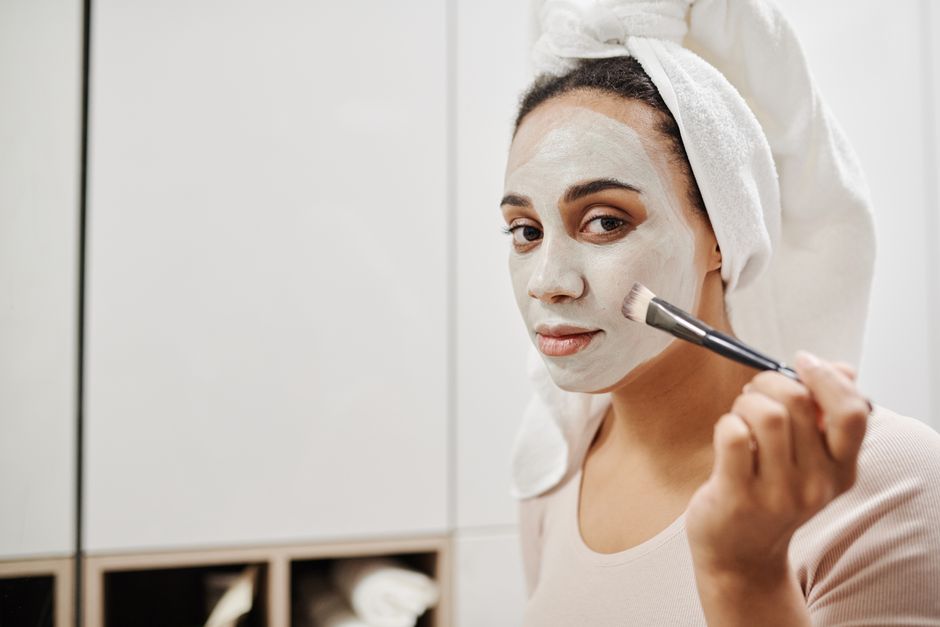
Makeup brushes collect oil, dead skin, and bacteria every time you use them. Cleaning them weekly with mild soap and water removes buildup that can cause breakouts, eye infections, and uneven makeup application. Rinse until the water runs clear, reshape the bristles, and let them dry flat to protect the glue and handle.
Why Is It Important to Clean Your Makeup Brushes?
Dirty brushes are a breeding ground for bacteria, fungi, and old product. Each swipe across your face spreads that buildup onto your skin and into pores. Over time this can lead to clogged pores, acne flare-ups, and skin irritation.
Eye brushes are especially risky. Bacteria transferred from eyeliner or shadow brushes to the eye can cause styes or conjunctivitis. Foundation brushes that are not washed can also harbor Staphylococcus and other skin bacteria. Regular cleaning removes these risks and keeps your makeup applying smoothly.
Clean brushes also perform better. Old product buildup stiffens bristles and makes blending harder. A clean brush picks up pigment evenly and feels softer on the skin.
How Often Should You Clean Your Makeup Brushes?
Most dermatologists recommend washing brushes every 7 to 10 days. Brushes used on liquid or cream products — foundation, concealer, cream blush — need weekly cleaning because they trap more bacteria. Powders are less prone to bacterial growth but still should be washed every two weeks.
Eye brushes used around the lash line should be cleaned after each use if possible, or at least once a week. A quick spray of a brush cleanser between washes can help, but it does not replace a thorough wash.
Beauty sponges are different. Damp sponges grow bacteria fast and should be washed after every use and replaced every three months.
What Is the Best Way to Clean Makeup Brushes at Home?
The most effective method uses two items you likely already have — mild dish soap or a gentle shampoo and warm water. Olive oil or a dedicated brush cleanser can be added for stubborn, oil-based products.
Follow these steps for a thorough clean that does not damage the brush:
- Wet the bristles with lukewarm water. Keep the water running down toward the tip — never submerge the metal ferrule or the handle. Water inside the ferrule loosens the glue that holds bristles in place.
- Add soap to your palm or a silicone brush mat. Swirl the damp brush in the soap until it lathers.
- Massage gently for 20 to 30 seconds. Focus on the inner bristles where makeup collects most.
- Rinse thoroughly under running water until no soap or color runs off. Squeeze gently with your fingers — do not pull or twist.
- Reshape the bristles to their original shape while still damp.
For deep cleaning of heavy foundation or concealer brushes, add a few drops of olive oil to the soap before lathering. The oil helps break down silicone-based makeup that water alone cannot remove.




How Do You Clean Makeup Brushes With Different Bristle Types?
Natural hair brushes — made from goat, pony, or squirrel hair — are more delicate than synthetic bristles. They absorb water and oils differently. Use a gentle shampoo or a soap formulated for natural hair. Avoid dish soap, which can strip natural oils and dry out the bristles. Never soak natural-hair brushes, and do not use hot water, which can damage the hair texture.
Synthetic bristles — nylon or taklon — are more durable and less absorbent. They respond well to dish soap or a standard brush cleanser. You can be a bit more vigorous with synthetic brushes, but still avoid getting water in the ferrule.
Both types benefit from a silicone brush mat. The textured surface helps work soap deep into the bristles without damaging them. Do not use harsh scrub brushes or wash bristles with rough fabrics. This can fray and break the fibers over time.
| Bristle Type | Best Cleaner | Special Care |
|---|---|---|
| Natural hair (goat, pony, squirrel) | Gentle shampoo or natural hair soap | Avoid soaking, no hot water, reshape gently |
| Synthetic (nylon, taklon, polyester) | Mild dish soap or dedicated brush cleanser | Can tolerate more rubbing but still avoid ferrule |
| Mixed bristles | Gentle shampoo | Treat like natural hair — more delicate |
How Do You Dry Makeup Brushes Properly?
Drying method matters as much as cleaning. Laying brushes flat on a towel is the safest option. This lets water drain away from the ferrule and handle. Drying upright in a cup forces water to collect at the base, which can loosen the glue and cause bristles to shed.
Lay the brushes on a clean, dry towel with the bristles hanging slightly over the edge of the counter or table. This allows airflow on all sides and helps them dry faster. Never use a hair dryer on brush bristles. The heat can melt synthetic fibers and damage natural hairs.
Allow 6 to 12 hours for full drying, depending on brush size and humidity. Do not use a brush while it is still damp — the moisture can trap bacteria and cause the bristles to mildew. If you need a brush sooner, gently squeeze out excess water with a towel and let it air dry for at least two hours before use.
When Should You Replace Your Makeup Brushes?
Even with regular cleaning, brushes wear out. Natural bristles can become scratchy or lose their softness after two to three years of weekly washing. Synthetic brushes may start to shed or fray after about a year.
Signs a brush needs replacing:
- The ferrule loosens and the brush head wobbles.
- Bristles shed noticeably every time you wash them.
- The shape changes permanently — bristles splay outward instead of holding a point or flat edge.
- The brush no longer picks up or deposits product evenly.
Eye brushes that become misshapen can also lead to less precise application. Replace them as soon as the shape changes noticeably. Proper cleaning extends brush life, but no brush lasts forever. Investing in a few high-quality brushes and replacing them on schedule is better for your skin and your wallet than buying cheap brushes that need frequent replacement.
Frequently Asked Questions
Can I use rubbing alcohol to clean my makeup brushes?
Rubbing alcohol can disinfect brushes in a pinch, but it dries out natural bristles and can damage synthetic fibers over time. Use only as a quick sanitizing spray between washes, not as a deep clean.
Can I clean makeup brushes with baby shampoo?
Yes, baby shampoo is gentle enough for both natural and synthetic bristles. It may not remove heavy, oil-based makeup as well as dish soap, but it is a safe daily option.
How do I clean makeup brushes without soap?
For a soap-free clean, use micellar water or a spray brush cleaner on a paper towel and swirl the brush until most of the product is removed. This does not kill bacteria as thoroughly as soap and water, so use it only between regular washes.
Can I put my makeup brushes in the dishwasher?
No. The heat and high water pressure can melt glue, warp handles, and damage bristles. Hand washing is the only reliable method that preserves brush quality.
