
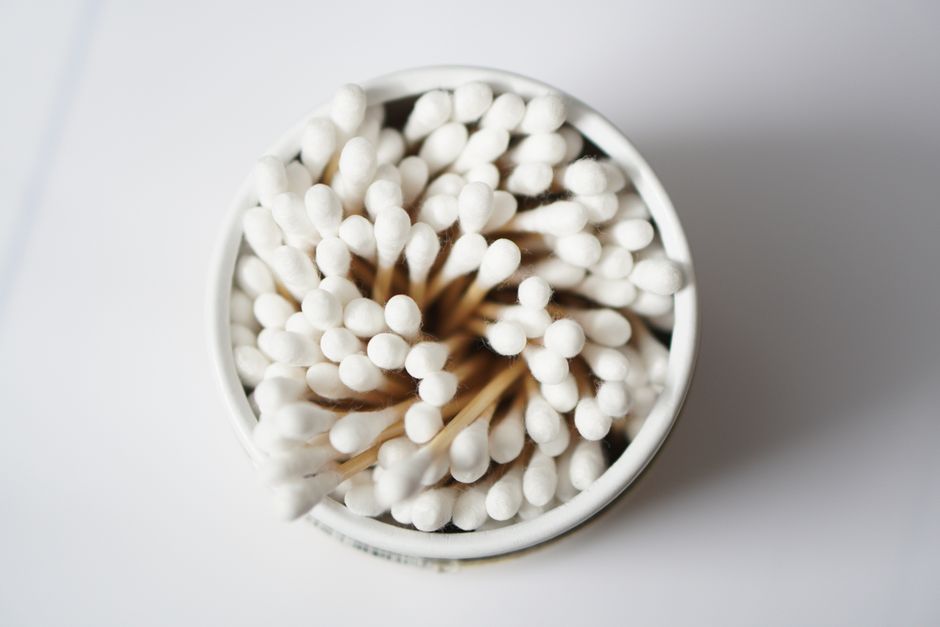
Your ears are mostly self-cleaning. Earwax, or cerumen, moves from deep inside your ear canal toward the opening on its own, carrying dust and dead skin with it. For most people, the only cleaning needed is wiping the outer ear with a washcloth. Sticking anything smaller than your elbow into your ear — cotton swabs, bobby pins, paper clips — pushes wax deeper and can cause real damage. The safe approach is simple: clean the outside, leave the inside alone unless you have symptoms, and see a doctor if you suspect a blockage.
Why Your Ears Clean Themselves
Earwax is not dirt. It is a protective substance made by glands in the outer part of your ear canal. It traps dust, repels water, and has mild antibacterial properties.
The skin inside your ear canal grows outward, like a slow conveyor belt. As new skin forms deep inside, older skin moves toward the ear opening. Earwax rides along on this journey. Chewing and talking add motion to the jaw joint, which helps nudge wax along.
By the time wax reaches the opening of the ear, it is dry and flaky. It falls out or washes away in the shower. This process works well for most people without any help.
How To Clean Your Ears Properly Dos And Donts
The most reliable way to clean your ears is also the most boring one. Use a soft, damp washcloth over your finger and wipe the outer part of your ear and the folds of skin around the opening. That is the entire cleaning routine most people need.
Do not insert anything into the ear canal. This includes cotton swabs, which are the most common cause of ear injuries. A 2017 study published in the journal Otolaryngology–Head and Neck Surgery estimated that cotton swabs cause hundreds of thousands of ear injuries in the United States each year, many of them in children.
Do not use ear candles. Ear candling involves placing a hollow, cone-shaped candle in the ear and lighting the other end. Research has found no evidence that it removes earwax. It can cause burns, ear canal obstructions, and even perforated eardrums. The FDA has warned against the practice.
Do not use homemade irrigation tools or syringes at home. Improper water pressure can damage your eardrum. If you feel you need irrigation, a clinician should do it.
What Happens When You Use Cotton Swabs
Cotton swabs feel productive because they come out with visible wax on them. That wax was already on its way out. The swab removes a small amount at the opening while pushing a larger amount deeper into the canal.
Wax pushed deep can pack together and form a hard plug against the eardrum. This causes muffled hearing, a feeling of fullness, ringing in the ears, or dizziness. The plug also traps moisture behind it, which raises the risk of infection.
Swabs also injure the delicate skin of the ear canal. The canal lining is thin and easily scratched. Scratches can bleed, become infected, and cause what doctors call otitis externa, or swimmer’s ear.
In worse cases, a swab can push through the eardrum. This is painful and can cause hearing loss, sometimes permanently. The bones of the middle ear sit directly behind the eardrum, and a deep injury can damage them too.




Signs You Might Have Earwax Blockage
Some people produce more earwax than others. Older adults tend to produce drier wax that is more likely to become impacted. People who wear hearing aids or earplugs regularly also have higher rates of blockage because these devices push wax back into the canal.
Symptoms of impacted earwax include:
- Muffled or reduced hearing
- A feeling that the ear is plugged or full
- Ringing in the ear, known as tinnitus
- Ear pain or discomfort
- Dizziness or balance problems
- Itching in the ear canal
- Discharge or odor from the ear
These symptoms can also come from other conditions, including middle ear infections, fluid behind the eardrum, or hearing loss unrelated to wax. The only way to know for certain is for a doctor to look inside your ear with an otoscope.
When To See a Doctor
See a doctor if you have ear pain, sudden hearing loss, dizziness, or discharge from the ear. These can signal an infection or eardrum injury that needs medical attention.
See a doctor if your ear feels blocked for more than a few days. Impacted wax will not resolve on its own once it is packed deep. Home treatments may not reach it, and attempting to dig it out yourself can cause harm.
Clinicians remove earwax in a few ways. They may use a small curved instrument called a curette to scoop it out under direct vision. They may use suction. They may irrigate the canal with warm water at controlled pressure. All of these methods are done with a clear view of the canal and eardrum, which is why they are safer than attempting the same thing at home.
Some clinicians recommend ear drops to soften wax before removal. These drops may contain mineral oil, glycerin, or hydrogen peroxide. They are only helpful if the wax is not completely blocking the canal, and they do not work for everyone.
Ear Drops: What Works and What Does Not
Over-the-counter earwax softening drops are available at most pharmacies. They can help when wax is dry and stuck. The instructions usually say to place a few drops in the ear, wait several minutes, and then let the ear drain over a tissue.
Hydrogen peroxide is a common ingredient in these drops. It bubbles when it contacts organic material, which can loosen wax. But hydrogen peroxide can irritate the skin of the ear canal, especially if used too often or at too high a concentration. Use only products labeled for ear use and follow the label instructions exactly.
Do not use ear drops if you suspect you have a perforated eardrum. Liquid entering the middle ear through a hole can cause severe pain and infection. Signs of a perforation include sudden pain, hearing loss, and fluid draining from the ear after an infection or injury. If you are unsure, do not use drops. See a doctor first.
Mineral oil and baby oil are gentler options that simply soften wax without bubbling. Some people use olive oil the same way. These are generally safe for occasional use when the eardrum is intact, but they do not remove wax on their own. They only soften it so the natural migration process can work.
Ear Candling Is Not a Treatment
Ear candling has no proven benefit. Practitioners claim the heat creates a vacuum that draws wax out of the canal. Studies that measured the residue inside the candle after use found it was candle wax and soot, not earwax.
The risks are documented. Burns to the face, ear, and hair are the most common injuries. Hot wax can drip into the ear canal. Candles can push debris deeper. There are case reports of eardrum perforations from ear candling. No reputable medical organization endorses it.
If someone recommends ear candling, understand that this is not a recognized medical treatment. It is a practice with known risks and no demonstrated benefit.
How To Prevent Earwax Problems
Do not clean inside your ears at all. The natural process handles it.
If you wear hearing aids, talk to your audiologist about how often your ears need professional cleaning. Some hearing aid users need earwax removal every few months because the device interferes with natural wax migration.
If you use earplugs for sleep or swimming, clean them regularly and replace them when they become worn. This reduces the chance of pushing wax deeper when you insert them.
People with diabetes or weakened immune systems should be especially careful about ear trauma. Infections that start in a scratch can spread and become serious. For this group, the rule about not inserting anything into the ear is especially important.
Frequently Asked Questions
Is it safe to clean your ears with cotton swabs?
No. Cotton swabs push wax deeper into the canal and can scratch the skin or damage the eardrum. Use a washcloth on the outer ear only.
What is the safest way to clean your ears at home?
Wipe the outer ear with a damp washcloth and leave the canal alone. The ear canal cleans itself through natural wax migration.
Can earwax cause hearing loss?
Yes. A large wax plug against the eardrum can cause temporary hearing loss, and it resolves when a doctor removes the wax.
How do doctors remove impacted earwax?
Doctors use a small instrument called a curette, suction, or warm water irrigation while looking directly into the ear. Do not attempt these methods at home.
