
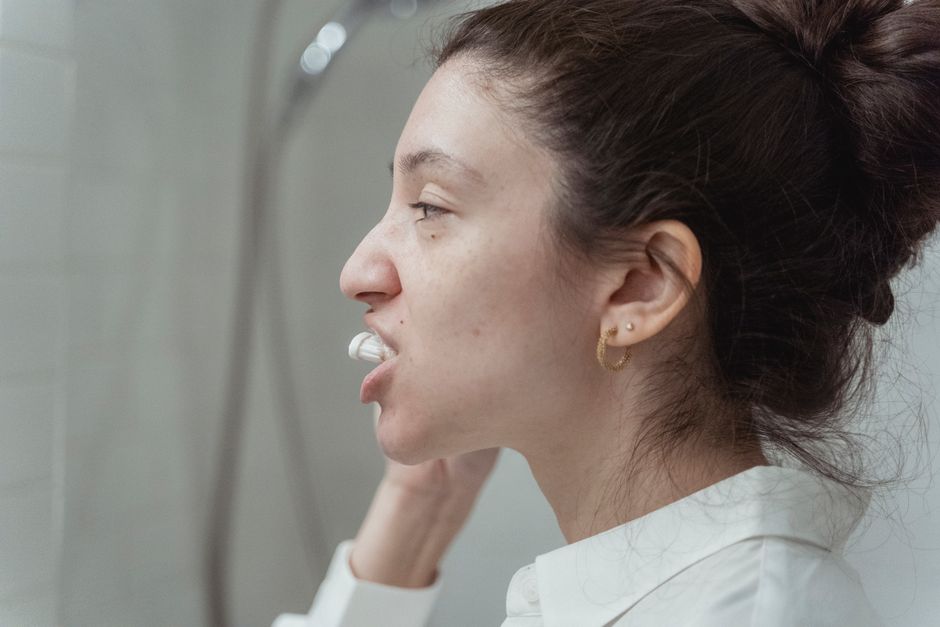
Cleaning a new ear piercing is simple but many people get it wrong. The right method is to wash your hands first, then use saline solution on the piercing twice a day. You should never use alcohol, hydrogen peroxide, or twist the jewelry. Stick with this routine for the full healing time and your piercing has the best chance of staying healthy.
What Is the Right Way to Clean a New Ear Piercing?
The process has just a few steps but each one matters. Start by washing your hands with soap and warm water for at least 20 seconds. This keeps bacteria from your hands off the fresh wound.
Use a sterile saline spray that contains only sodium chloride and water. The American Academy of Dermatology recommends this as the safest option. Spray the solution directly onto the piercing front and back. Let it sit for a few minutes to soften any crust.
Gently pat the area dry with a clean paper towel. Do not use cloth towels because they carry bacteria. Throw the paper towel away after one use. Repeat this routine morning and night without skipping.
Some people report that homemade salt water works fine. Evidence indicates that sterile saline from a pharmacy is more reliable because you know the salt concentration is correct. Too much salt can irritate the skin and too little will not clean effectively.
How To Clean Ear Piercing Steps And What To Avoid
Here is a clear step-by-step list you can follow every day. Keep it printed near your bathroom mirror until the habit feels automatic.
- Wash hands with antibacterial soap for 20 seconds
- Spray sterile saline on the front and back of the piercing
- Wait two to three minutes for the solution to work
- Gently remove any softened crust with a clean cotton swab
- Pat dry with a fresh paper towel
- Leave the jewelry in place at all times
Now here is what to avoid at all costs. Never use rubbing alcohol or hydrogen peroxide. These kill bacteria but they also damage healthy skin cells. The Journal of Clinical and Aesthetic Dermatology has noted that this slows healing and causes more irritation than it prevents.
Do not twist rotate or move the jewelry. Many people were taught to do this years ago but research shows it damages the healing tissue. The piercing channel needs stillness to form properly. Moving the jewelry causes micro-tears that invite infection.
Avoid swimming pools hot tubs lakes and oceans for the full healing period. The CDC reports that water contains bacteria and chemicals that infect healing piercings at high rates. Showering is fine but keep your head out of standing water.
How Long Does an Ear Piercing Take to Heal?
Healing time depends on where the piercing is located. Earlobe piercings usually heal in six to eight weeks. Cartilage piercings on the upper ear take much longer often six to twelve months or more.
Many people stop cleaning too early because the piercing looks fine on the outside. The inside of the piercing channel takes longer to fully heal. Research published in the British Journal of Dermatology found that cartilage piercings remain vulnerable to infection for up to a year.
You should continue the cleaning routine for the full healing period even if the piercing appears healed. After that switch to cleaning only when you shower or if the area gets dirty. Stopping too early is one of the most common reasons piercings get infected.



What Are the Signs of an Infected Ear Piercing?
Some redness and swelling are normal for the first few days. Mild tenderness is also expected. But there is a difference between normal healing and infection that requires attention.
Signs of infection include redness that spreads beyond the piercing site. Warmth around the area that does not go away. Yellow or green discharge rather than clear or white. Pain that gets worse instead of better over several days.
The American Academy of Family Physicians states that a fever above 100.4 degrees Fahrenheit along with piercing pain is a sign the infection may have spread. This requires medical attention quickly.
If you suspect an infection do not remove the jewelry. Removing it can trap the infection inside the skin and create an abscess. See a doctor or a professional piercer first. They can assess whether antibiotics are needed and whether the jewelry should stay or come out.
What Cleaning Products Actually Work for Ear Piercings?
Not all products sold for piercing care are effective. Some contain harsh additives that do more harm than good. Here is a comparison of common options.
| Product | Does It Work? | Why |
|---|---|---|
| Sterile saline spray | Yes | Matches the body’s natural salt level. No additives. Recommended by dermatologists. |
| Homemade salt water | Moderate | Works if the salt ratio is correct but easy to get wrong. Risk of contamination. |
| Antibacterial soap | Moderate | Can be used but may dry out skin. Use only mild fragrance-free versions. |
| Rubbing alcohol | No | Kills healthy cells. Slows healing. Causes pain and irritation. |
| Hydrogen peroxide | No | Same problems as alcohol. Damages new tissue that is trying to form. |
| Tea tree oil | No | This is widely claimed though strong evidence is limited. It can burn and irritate healing skin. |
| Antibiotic ointments | No | Traps bacteria and debris under a greasy layer. Prevents air from reaching the wound. |
Avoid any product that contains benzalkonium chloride or chlorhexidine unless a doctor specifically prescribes it. These are strong antiseptics meant for medical wounds not piercings. They kill bacteria but also irritate the healing channel.
Stick with the simplest option. Sterile saline with no other ingredients is what the evidence supports most strongly. It cleans without interfering with the body’s natural healing process.
What Should You Do If Your Piercing Gets Bumped or Pulled?
Accidents happen. A hairbrush a towel a child’s hand or a shirt collar can snag a new piercing. This is painful and can set back healing by days or weeks.
If your piercing gets bumped clean it with saline right away. This removes any bacteria that may have been pushed into the wound. Watch for increased redness or swelling over the next 24 hours.
If the jewelry gets pulled hard enough to tear the skin you may need to see a piercer. They can check whether the piercing channel is damaged. In some cases the jewelry needs to be replaced with a longer bar to accommodate swelling.
Do not put ice directly on a bumped piercing. Ice can damage the tissue. Instead apply a clean cold pack wrapped in a thin cloth for five to ten minutes to reduce swelling. Then clean the area normally at your next scheduled time.
Frequently Asked Questions
Can I use hydrogen peroxide to clean my ear piercing?
No. Hydrogen peroxide kills healthy skin cells and slows healing. Use sterile saline instead.
How many times a day should I clean my ear piercing?
Clean it twice a day once in the morning and once at night. Overcleaning can irritate the skin.
Can I take my earrings out while cleaning?
No. Leave the jewelry in place for the full healing period. Removing it can cause the hole to close or trap infection inside.
What happens if I stop cleaning my piercing too early?
The piercing may look healed on the outside but the inside channel is still vulnerable. Stopping early raises the risk of infection and irritation bumps.
