
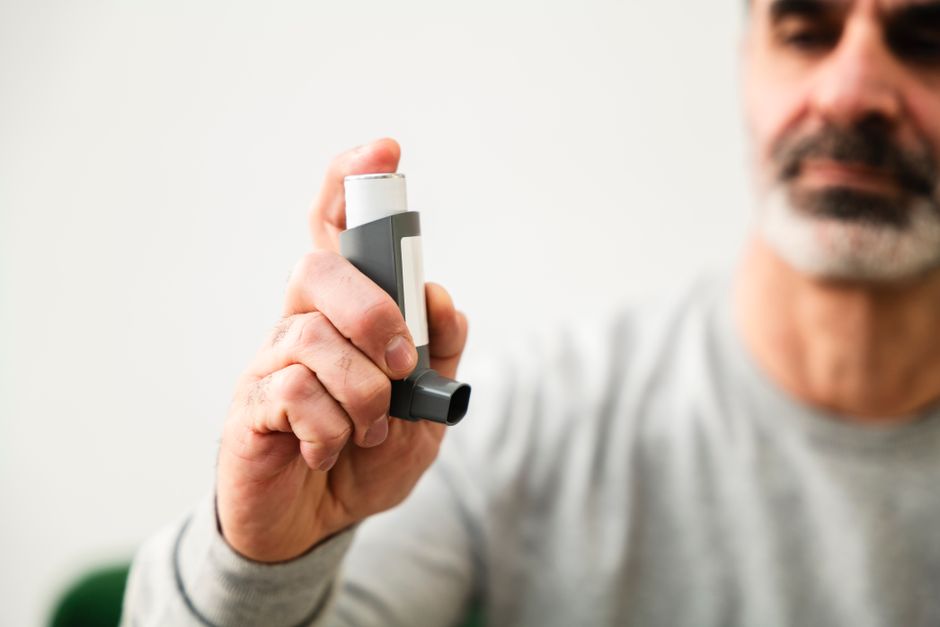
Chest pain in COPD is not something to push through. It needs to be evaluated by a doctor first, because COPD raises the risk of heart problems and lung complications that can cause chest pain. Once a clinician has identified the cause, the techniques that actually work fall into a few clear groups: breathing methods that reduce the work of breathing, positioning that eases muscle strain, prescribed medications, and treating the specific trigger behind the pain.
Why Does COPD Cause Chest Pain?
COPD itself does not usually damage pain nerves inside the lungs. The lungs have very few pain receptors. So when chest pain shows up, it is usually coming from one of several other places.
The most common sources are the muscles and joints of the chest wall. COPD makes breathing harder. Over time, the muscles between the ribs, the diaphragm, and the accessory muscles in the neck and shoulders work far harder than they were designed to. That constant effort causes soreness and strain. Many people with COPD describe this as a dull ache or tightness that gets worse with activity.
Air trapping is another factor. In COPD, air gets stuck in the lungs because the small airways collapse on exhale. The chest becomes hyperinflated, meaning it sits in a permanently expanded position. This stretches the rib cage and flattens the diaphragm, which changes how the chest wall muscles pull. That mechanical change alone can produce discomfort.
Then there are the causes that are not mechanical at all. Infections like pneumonia or bronchitis can cause sharp pain, especially with coughing. A collapsed lung, known as pneumothorax, causes sudden severe pain and is a medical emergency. Acid reflux is common in COPD and can mimic chest pain. And heart disease is a major consideration. People with COPD have a higher risk of heart attack, heart failure, and arrhythmias than people without it.
This is why the first step is never a home remedy. It is a medical assessment.
How Do You Tell COPD Chest Pain From a Heart Problem?
You often cannot tell the difference on your own. That is the honest answer, and it matters.
Heart-related chest pain typically feels like pressure, squeezing, or heaviness in the center of the chest. It may spread to the arm, jaw, neck, or back. It often comes on with exertion and eases with rest. Shortness of breath and sweating can come with it.
COPD-related chest pain tends to be more muscular or positional. It may hurt more when you press on the chest wall, twist your torso, or take a deep breath. It may follow a coughing fit.
But these patterns overlap heavily. Many people with COPD also have heart disease, and the two can produce nearly identical symptoms. Some people, especially those with diabetes, feel little or no classic heart pain at all.
Seek emergency care immediately for chest pain that is new, severe, crushing, or comes with shortness of breath, sweating, nausea, fainting, or pain spreading to the arm or jaw. Do not wait to see if it passes.
What Breathing Techniques Help Relieve COPD Chest Pain?
Breathing techniques reduce the work of breathing and calm the chest wall muscles. They are most useful for muscle-related discomfort and for the anxiety that tightens the chest during a flare.
Pursed-lip breathing is the most studied technique for COPD. You breathe in through the nose for about two counts, then breathe out slowly through pursed lips, as if cooling a spoon of hot soup, for about four counts. The longer exhale helps keep small airways from collapsing and reduces air trapping. Less air trapping means less hyperinflation and less strain on the chest wall.
Diaphragmatic breathing means breathing from the belly rather than the upper chest. Place one hand on your belly and one on your chest. Breathe so the belly hand rises more than the chest hand. This trains the diaphragm to do more of the work and takes load off the neck and shoulder muscles that get sore.
Coordinated breathing pairs your breath with activity. You breathe in before the hard part of a movement and breathe out through it. This prevents the breath-holding that spikes pressure in the chest.
These techniques are best learned from a respiratory therapist or pulmonary rehabilitation program. Learning them from a video alone often leads to doing them incorrectly, which can make breathlessness worse.





Does Positioning and Pacing Reduce Chest Discomfort?
Yes. Changing how you sit and how you pace activity can take real pressure off the chest wall.
When breathless, many people lean forward. That instinct is correct. Leaning forward with your arms supported on a table, a pillow, or your knees puts the diaphragm in a better position to contract. It also lets the neck and shoulder muscles relax. This is sometimes called the tripod position.
Standing and leaning forward against a wall or a counter does something similar. So does sitting backward on a chair and resting your arms on the chair back.
Pacing matters just as much. Break tasks into small steps with rest built in. Breathe through each step rather than holding your breath. Push rather than pull when you can, and exhale on the effort. These habits reduce the breath-holding and straining that aggravate chest wall pain.
What Medications and Treatments Address the Cause?
The right treatment depends entirely on what is causing the pain. There is no single COPD chest pain treatment.
If the cause is a COPD flare, a clinician may prescribe bronchodilators, steroids, or antibiotics depending on the situation. Relieving the flare reduces air trapping and the chest wall strain that comes with it.
If the cause is muscle strain, options may include heat, gentle stretching, and over-the-counter pain relievers. Some clinicians recommend acetaminophen or a nonsteroidal anti-inflammatory drug, but NSAIDs carry risks, including stomach bleeding and kidney strain, and they can interact with other medications. Ask a doctor or pharmacist before starting one.
If the cause is acid reflux, treatment targets the reflux. If the cause is a heart condition, treatment targets the heart. If the cause is a pneumothorax or a serious infection, that requires urgent care.
Pulmonary rehabilitation is one of the most well-supported treatments for COPD overall. It combines supervised exercise, breathing training, and education. Research consistently shows it improves breathlessness and quality of life. It does not treat chest pain directly, but by improving how efficiently you breathe, it can reduce the muscle strain that causes much of it.
Which Techniques Are Worth Trying and Which Are Not?
Some approaches have solid support. Others are widely promoted but have little evidence behind them.
| Technique | Evidence Level | Best For |
|---|---|---|
| Pursed-lip breathing | Well established for COPD | Breathlessness, air trapping |
| Diaphragmatic breathing | Well established | Reducing chest wall muscle strain |
| Forward-leaning positions | Well established | Acute breathlessness |
| Pulmonary rehabilitation | Strong evidence for COPD overall | Breathlessness, function, quality of life |
| Heat and gentle stretching | Limited direct evidence for COPD pain | Muscle soreness |
| Over-the-counter pain relievers | Common practice, not COPD-specific | Muscle strain pain |
| Supplement-based “lung support” products | No clinical evidence confirms benefit | Not recommended as treatment |
A few points worth being clear about. Pursed-lip breathing and diaphragmatic breathing are backed by decades of respiratory physiology research and are taught in pulmonary rehabilitation programs worldwide. Heat and stretching are widely used for muscle soreness in general, but there is little research specifically on their use for COPD chest pain. That does not mean they do not help, only that the evidence is thin.
What does not have evidence is the large market of supplements and devices marketed for “lung support” or “chest relief.” No large human trials have confirmed these work for COPD chest pain. If a product promises to relieve chest pain, treat that claim with skepticism.
When Should You Get Emergency Help?
Call emergency services for chest pain that is new, severe, or crushing. Also call if the pain comes with shortness of breath that is worse than usual, sweating, nausea, fainting, a rapid or irregular heartbeat, or pain that spreads to the arm, jaw, neck, or back.
These signs can point to a heart attack, a collapsed lung, or a blood clot in the lung. All are emergencies. In COPD, the threshold to get checked should be lower, not higher, because the underlying risk of heart and lung complications is already elevated.
Do not drive yourself. Do not wait to see if it passes.
What Lifestyle Habits Reduce Chest Discomfort Over Time?
The habits that help most are the ones that reduce how hard your chest has to work.
- Stop smoking if you smoke. This is the single most important step for slowing COPD progression.
- Stay current on vaccinations, including flu, COVID-19, and pneumococcal vaccines, since infections trigger flares.
- Keep rescue and maintenance inhalers on hand and use them as prescribed.
- Stay physically active within your limits. Deconditioning makes breathing harder, not easier.
- Manage acid reflux by avoiding large meals close to bedtime and common trigger foods.
- Keep indoor air clean and avoid smoke, strong fumes, and cold air when possible.
- Ask about a pulmonary rehabilitation program if you have not done one.
None of these replace medical care for chest pain. They lower the frequency of the flares and muscle strain that cause much of the discomfort in the first place.
The Bottom Line
Chest pain in COPD has many possible causes, and some are serious. Get it evaluated before treating it at home. Once a clinician rules out emergencies and identifies the cause, the techniques with the strongest support are pursed-lip breathing, diaphragmatic breathing, forward-leaning positions, and pulmonary rehabilitation. These reduce the work of breathing and the muscle strain behind much of the pain. For anything else, match the treatment to the cause, and be skeptical of products that promise relief without evidence.
Frequently Asked Questions
Can COPD cause chest pain on its own?
COPD can cause chest pain indirectly, mostly through muscle strain from harder breathing and through air trapping that stretches the chest wall. It does not usually cause pain from the lungs themselves, since lung tissue has few pain receptors.
How do I know if my chest pain is my COPD or my heart?
You often cannot tell the difference on your own, because the symptoms overlap heavily and many people with COPD also have heart disease. Any new, severe, or crushing chest pain should be treated as an emergency until a doctor says otherwise.
Does pursed-lip breathing really help COPD chest pain?
Pursed-lip breathing is well established for reducing breathlessness and air trapping in COPD, which can ease the chest wall strain that causes pain. It is best learned from a respiratory therapist or pulmonary rehabilitation program.
What should I do if my chest hurts during a COPD flare?
Follow your COPD action plan and use your rescue inhaler as prescribed, then get medical help if the pain is new or severe. Chest pain during a flare can signal an infection, a collapsed lung, or a heart problem, so it should not be ignored.
