
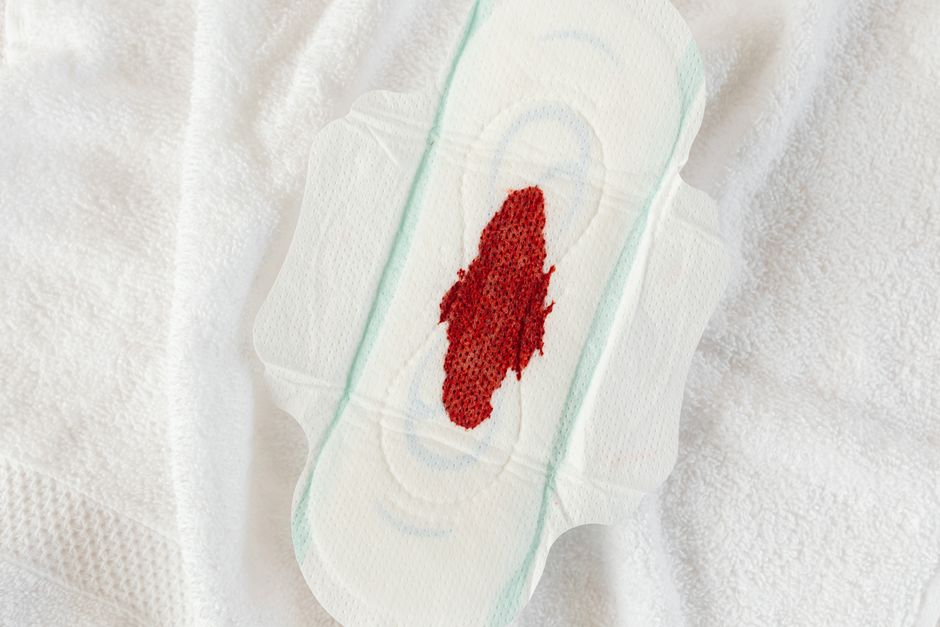
Blood on a floor needs fast, careful action. For fresh blood, blot up the liquid first, then clean the area with cold water and a mild detergent. For dried blood, you must soak the stain to soften it before cleaning. Never use hot water on blood, because heat makes the proteins bind to the surface and the stain becomes permanent. This guide covers both situations, the supplies you need, and the safe way to handle cleanup.
Why Cold Water Is Essential For Blood Stains
Blood contains a protein called hemoglobin. This protein carries oxygen and gives blood its red color. When hemoglobin is exposed to heat, it denatures. That means the protein changes shape and hardens, bonding tightly to whatever surface it is on.
Cold water does the opposite. It keeps the protein stable and helps it dissolve back into liquid form. This is why every cleaning guide, from professional carpet cleaners to hospital housekeeping protocols, starts with cold water. Enzymatic cleaners also work because they contain enzymes that break down protein molecules directly.
How To Clean Fresh Blood From A Floor
Fresh blood is the easiest to remove if you act quickly. The goal is to lift the blood away from the surface, not to rub it deeper into the floor.
Follow these steps for fresh blood on any hard floor type:
- Blot, do not rub. Use paper towels or a clean cloth to absorb as much blood as possible. Press down gently and lift. Rubbing spreads the blood and pushes it into grout lines or wood grain.
- Apply cold water. Dampen a cloth with cold water and blot the stained area. Change the cloth as it picks up blood so you are not re-depositing it.
- Use a mild detergent. Mix a few drops of dish soap with cold water. Blot the area with this solution, then rinse with plain cold water.
- Dry the floor. Use a dry towel to remove excess moisture. On wood or laminate, leaving standing water can cause damage.
For tile or sealed stone floors, this method removes nearly all fresh blood. For unsealed grout, blood can seep into the porous material. You may need to repeat the process several times.
How To Clean Dried Blood From A Floor
Dried blood requires soaking before any scrubbing. The protein has already hardened. Trying to scrape or scrub it off while dry will only grind it into the surface.
Here is the process for dried blood:
- Soak the stain. Place a cloth soaked in cold water over the dried blood. Leave it for 10 to 15 minutes. This rehydrates the blood and loosens the bond to the floor.
- Blot, then scrape gently. After soaking, blot the softened blood. For any remaining residue, use a plastic scraper or the edge of an old credit card. Do not use metal on tile or wood — it will scratch.
- Apply an enzymatic cleaner. Enzyme cleaners are designed to break down proteins. Apply according to the product instructions, usually leaving it on the stain for several minutes before wiping.
- Rinse and dry. Wipe the area with cold water to remove any cleaner residue, then dry thoroughly.
For dried blood on carpet, the same soaking principle applies, but you must avoid soaking the carpet pad underneath. Use a spray bottle to dampen the stain rather than pouring water directly onto the carpet.




Cleaning Blood From Different Floor Types
Different floors need different care. What works on tile can damage hardwood or damage laminate.
| Floor Type | Safe Cleaning Method | What To Avoid |
|---|---|---|
| Tile or ceramic | Cold water, mild detergent, enzymatic cleaner | Abrasive scrubbers that scratch glaze |
| Hardwood | Blot with cold water, use wood-safe cleaner, dry immediately | Excess water, soaking, steam cleaners |
| Laminate | Damp cloth with cold water, dry quickly | Standing water, abrasive pads |
| Vinyl or linoleum | Cold water, mild soap, non-abrasive sponge | Harsh chemicals that dull the surface |
| Carpet | Blot, cold water spray, enzymatic cleaner, blot dry | Rubbing, hot water, soaking the pad |
Hardwood floors are the most fragile when it comes to blood cleanup. Water seeps into the seams between boards and can cause warping or discoloration. Use the smallest amount of water possible and dry the area immediately after cleaning.
For unsealed concrete or grout, blood can penetrate deeper. You may need to repeat the soaking and cleaning process multiple times. In extreme cases, professional cleaning may be required to fully remove the stain.
What Not To Use On Blood Stains
Some common cleaning mistakes make blood stains worse. Avoid these methods:
- Hot water. Heat sets the protein. This is the single biggest mistake people make.
- Bleach. Bleach can remove color from some surfaces and can react with blood to make the stain harder to remove. It also damages wood and some tile finishes.
- Ammonia. Ammonia can break down blood proteins, but it damages many floor finishes and produces dangerous fumes when mixed with other cleaners.
- Rubbing or scrubbing hard. This pushes blood deeper into porous surfaces and can damage the floor itself.
- Steam cleaners. Steam is hot. It will set the stain permanently on most surfaces.
Salt is sometimes mentioned as a home remedy for blood stains. While salt can absorb moisture, it does not break down proteins. It is not a reliable method for floor stains.
Are There Health Risks When Cleaning Blood?
Blood can carry infectious diseases. If the blood is not yours, or if you do not know whose it is, treat it as potentially infectious.
The Centers for Disease Control and Prevention recommends wearing gloves when cleaning up blood. Disposable latex or nitrile gloves create a barrier between your skin and the blood. If you have cuts or open wounds on your hands, this barrier is essential.
For large spills, consider additional protection:
- Disposable gloves
- Long sleeves
- Eye protection if there is splashing risk
- A face mask if the spill is large or in a confined space
After cleaning, dispose of any cloths or paper towels that touched the blood in a sealed plastic bag. Wash your hands thoroughly with soap and water. Do not reuse cleaning cloths on other surfaces until they have been washed in hot water with detergent.
If you are cleaning someone else’s blood and you have broken skin, seek medical advice. Some bloodborne infections can be prevented with early treatment after exposure.
How To Remove Blood Smell From A Floor
Blood has a distinct metallic odor caused by iron in the hemoglobin. Even after the visible stain is gone, the smell can linger, especially on porous surfaces like wood or grout.
An enzymatic cleaner is the best option for odor removal. These products break down the remaining organic material that causes the smell. Follow the product instructions for application and contact time.
Baking soda can help absorb odors. Sprinkle it over the area after cleaning, leave it for several hours, then vacuum it up. This works best on carpet and grout.
If the smell persists for days after thorough cleaning, the blood may have soaked into the subfloor underneath. This situation usually requires professional cleaning or, in severe cases, replacement of the affected flooring.
Do not use perfume, air freshener, or scented candles to mask the smell. These products do not remove the odor source. The blood proteins are still there and may attract pests or continue to degrade.
When To Call A Professional Cleaner
Most blood stains on floors can be handled with household supplies. Some situations require professional help.
Call a professional if:
- The stain has been there for more than a few days and soaking does not loosen it
- The blood soaked through carpet into the padding or subfloor
- The floor surface is damaged or unsealed and the stain has penetrated deeply
- The spill is very large, such as from a medical emergency or accident
- The blood is on a porous stone surface like unsealed marble or limestone
Professional cleaners have commercial-grade enzymatic products and equipment like hot water extraction units. They also have the training to determine whether flooring needs to be replaced. In some cases, especially with blood on unsealed wood or concrete, complete stain removal is not possible and the affected section must be replaced.
Preventing Blood Stains On Floors
You cannot always prevent blood from hitting the floor, but you can be prepared. Keep a small cleaning kit accessible that includes disposable gloves, paper towels, and an enzymatic cleaner. Having these supplies ready means you can act within minutes of a spill.
Sealing grout and stone floors reduces their porosity. Sealed surfaces resist staining because blood cannot penetrate the material. This is a preventive measure worth doing before a spill occurs.
For homes with elderly residents, people on blood thinners, or children prone to nosebleeds, having a clear plan for blood cleanup is practical. Blood thinners make bleeding harder to stop, which means larger spills are more likely.
Frequently Asked Questions
Does hot water set blood stains permanently?
Yes, hot water causes blood proteins to denature and bond tightly to surfaces, making the stain extremely difficult or impossible to remove. Always use cold water for blood stains.
Can hydrogen peroxide remove blood from a floor?
Hydrogen peroxide can break down blood stains and works on some surfaces, but it can bleach or discolor certain flooring materials. Test it on an inconspicuous area first.
How long does it take for blood to dry on a floor?
Blood typically dries within 15 to 30 minutes on non-porous surfaces, depending on the amount and room temperature. Dried blood requires soaking before cleaning.
Is it safe to clean up blood with bare hands?
No, you should always wear disposable gloves when cleaning blood. Blood can carry infectious diseases that enter through cuts or breaks in the skin.
