
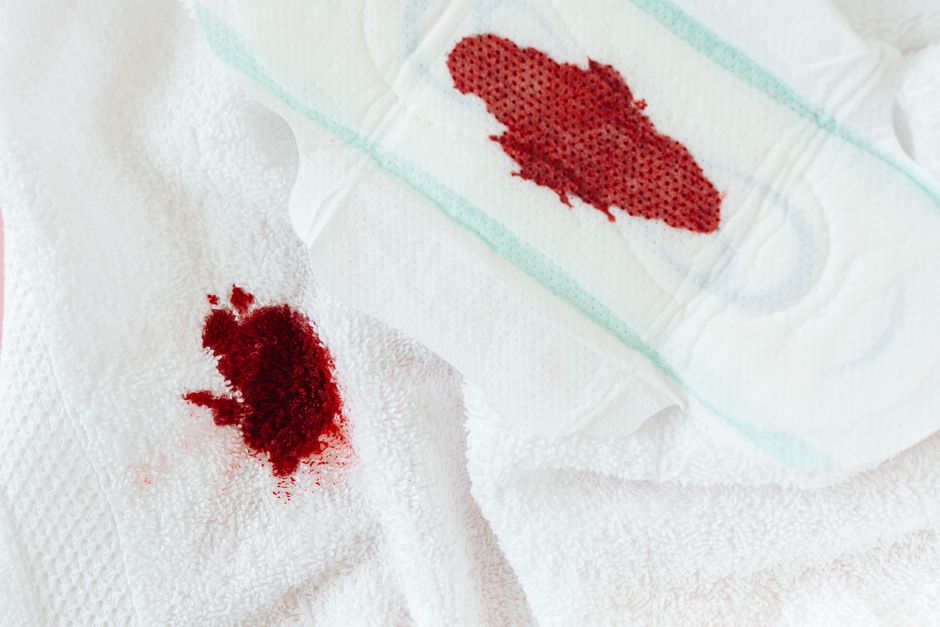
Blood on a pillowcase is a common accident — a nosebleed, a cut, a scratched mosquito bite, a menstrual leak. The good news is that blood is one of the easier stains to remove if you treat it right. The key is to use cold water, never hot, and to work on the stain before it sets. Fresh blood usually lifts out with cold water and a little soap. Dried blood needs a short soak in cold water and an enzyme detergent to break it down. This guide explains exactly how to get blood out of a pillowcase whether the stain is fresh or already dried.
Why Does Cold Water Matter So Much For Blood Stains?
Blood contains proteins, and heat makes proteins set. That is the single most important fact for removing a blood stain. Hot water, a hot dryer, or even a hot iron will cook the protein into the fabric fibers and make the stain far harder to remove.
This is the same reason you use cold water on egg, milk, and other protein-based stains. The protein molecules unfold and bind tightly to the fabric when heated. Once that happens, the stain can become permanent.
Cold water keeps the protein loose so it can rinse away. It also keeps the red color from setting. Blood gets its red color from hemoglobin, an iron-containing protein. Cold water helps prevent that pigment from bonding to the fabric.
So the rule is simple and firm: cold water from start to finish. Do not use warm or hot water at any stage, and do not put a blood-stained pillowcase in a hot dryer until you are certain the stain is gone.
How To Get Fresh Blood Out Of A Pillowcase
Fresh blood is the easiest to remove. The sooner you act, the better your result. If the blood is still wet, you have a strong chance of removing it completely.
Start by rinsing the stained area under cold running water. Let the water push through the fabric from the back of the stain if you can. This pushes the blood out the way it came in rather than driving it deeper.
Next, rub a small amount of liquid hand soap, dish soap, or a laundry detergent directly into the stain. Gently work it in with your fingers or a soft cloth. Let it sit for a few minutes.
Rinse again with cold water. Repeat the soap-and-rinse steps until the water runs clear and you can no longer see the stain.
For a stubborn fresh stain, you can soak the pillowcase in cold water with a scoop of enzyme-containing laundry detergent for about 15 to 30 minutes before washing. Enzyme detergents are labeled as such and contain proteins that break down biological stains.
How To Get Dried Blood Out Of A Pillowcase
Dried blood is harder but usually still removable. The protein has had time to bind to the fabric, so you need to soften it first. Do not scrub hard at dried blood — you can damage the fibers and spread the stain.
Soak the pillowcase in cold water for at least 30 minutes. For older or heavier stains, a longer soak of several hours or overnight can help. Add an enzyme-based laundry detergent to the soaking water.
After soaking, check the stain. If it has loosened, gently rub the fabric against itself or use a soft brush to work the detergent in. Rinse with cold water.
If color remains, apply a small amount of liquid detergent or a stain remover directly to the spot and let it sit for 10 to 15 minutes. Then rinse again in cold water.
Repeat the soak-and-rinse cycle as needed. Some dried stains lift out in one round. Others need two or three. Patience works better than force here.




What If The Pillowcase Is White Or Colored?
The cleaning method is the same for white and colored pillowcases: cold water and enzyme detergent. The difference is in what you add for stubborn stains.
For white cotton or linen pillowcases, you can use an oxygen-based bleach (often sold as “oxygen bleach” or “color-safe bleach”). This is not the same as chlorine bleach. Oxygen bleach is gentler on fabric and works well on protein stains when dissolved in cool or warm water according to the package directions.
For colored pillowcases, avoid chlorine bleach. It can strip the dye and leave a faded patch. Stick with enzyme detergent and oxygen bleach labeled as safe for colors.
Always check the care label on the pillowcase before using any product. Some fabrics, like silk or certain synthetics, need special handling.
How To Wash A Pillowcase After Treating A Blood Stain
Once you have pre-treated the stain, wash the pillowcase as you normally would, but keep the water cool. Check the care label for the recommended wash temperature and choose the coolest setting that is appropriate for the fabric.
Use your regular laundry detergent. If the pillowcase is white and the stain was stubborn, you can add oxygen bleach to the wash.
After washing, inspect the pillowcase before drying. If any trace of the stain remains, do not put it in the dryer. Heat will set whatever is left and make it nearly impossible to remove later. Wash it again or repeat the pre-treatment steps.
Only dry the pillowcase once you are sure the stain is fully gone. Air drying is a safe option, especially in sunlight, which can help fade any faint remaining discoloration on white fabric.
Common Mistakes That Make Blood Stains Worse
Most failed blood-stain removals come down to a few avoidable errors. Here are the ones that cause the most trouble.
- Using hot water. Heat sets the protein and makes the stain permanent. Always use cold.
- Drying before the stain is gone. The heat of a dryer locks in any remaining stain. Always check first.
- Scrubbing hard. Aggressive scrubbing can push blood deeper into the fibers and damage the fabric.
- Using chlorine bleach on protein stains. Chlorine bleach can actually set blood stains rather than remove them. Use oxygen bleach instead.
- Waiting too long. The longer blood sits, the harder it is to remove. Treat it as soon as you can.
If you have already dried a blood stain by mistake, all is not lost. Soak the pillowcase in cold water with enzyme detergent for several hours, then repeat the treatment. Some stains that have been through a dryer can still be lifted with patience, though they are much harder to remove.
When A Blood Stain May Not Come Out
Some stains resist even careful treatment. This is more likely if the blood has been set by heat, if it has been on the fabric for a long time, or if the fabric is delicate or has a special finish.
Old, set stains on white cotton sometimes respond to a long oxygen-bleach soak. On colored or delicate fabrics, options are more limited because strong products can damage the dye or the fibers.
If a stain will not budge after several attempts, a professional dry cleaner may have products and methods not available at home. It is worth asking before you give up on the pillowcase.
There is no guaranteed method that removes every blood stain. The evidence for what works is based on how proteins behave and on widely used laundry practices, not on large clinical trials. Cold water and enzyme detergent are the most reliable approach for most fabrics and most stains.
Frequently Asked Questions
Does hot water really make blood stains worse?
Yes. Heat causes the proteins in blood to set into the fabric, which makes the stain much harder to remove. Always use cold water from start to finish.
Can I use hydrogen peroxide to remove blood from a pillowcase?
Hydrogen peroxide can help lift blood from white fabric because it breaks down the stain, but it can also bleach or lighten colored fabric. Test it on a hidden area first, and avoid it on dark or delicate pillowcases.
How long should I soak a dried blood stain?
Soak in cold water with enzyme detergent for at least 30 minutes, and up to several hours or overnight for older stains. Check the fabric care label before a long soak.
What if the blood stain is still there after washing?
Do not put the pillowcase in the dryer. Heat will set the remaining stain permanently. Repeat the cold-water soak and enzyme detergent treatment, then wash again.
