
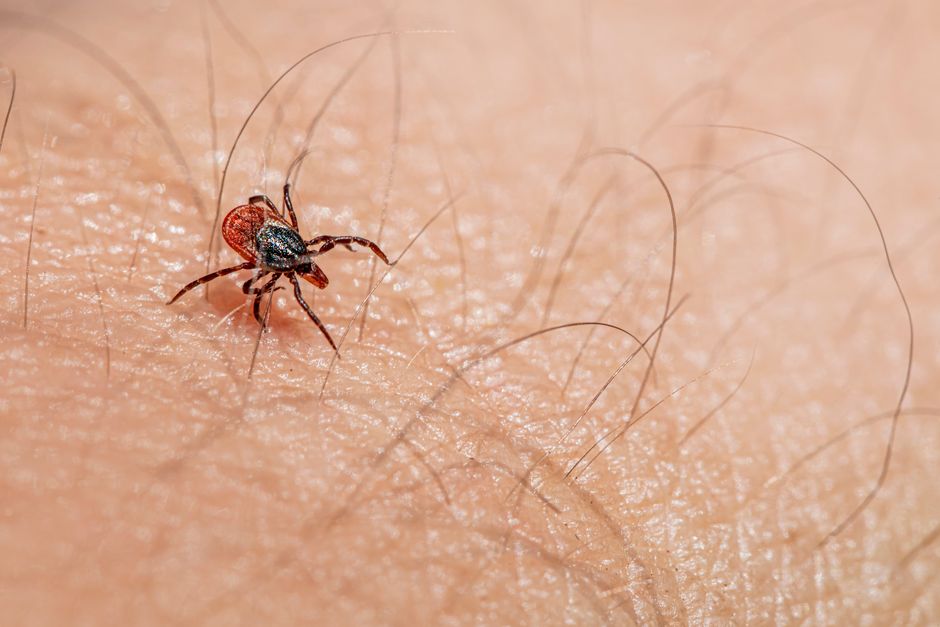
Ticks eat blood. That is the entire diet. There is no stage of a tick’s life when it feeds on anything else — no nectar, no plant sap, no crumbs from your picnic. Every tick you have ever found on your body, your dog, or your clothes was there for one reason: to take a blood meal. Understanding how that works explains a lot about why ticks behave the way they do, why they are so hard to spot, and why they matter for human health.
What Do Ticks Actually Eat?
Blood, and only blood. Ticks are obligate blood feeders, which means they cannot survive or reproduce on any other food source.
This separates them from mosquitoes, which feed on plant sugars and only take blood when they are producing eggs. A tick needs blood at every life stage to move forward. A larva that never finds a host will die. So will a nymph or an adult.
Different tick species prefer different hosts, but the nutritional requirement is the same across all of them. What varies is the size of the meal, how long it takes, and which animals the tick is willing to feed on.
Why Do Ticks Need Blood to Survive?
Blood is a complete nutritional package. It supplies protein, lipids, vitamins, and the water a tick needs to grow and reproduce.
The key ingredient is protein. A tick uses the protein in blood to build new tissue as it grows, and a female uses it to produce eggs. Blood also contains the amino acids and nutrients that support a tick’s metabolism between meals.
What makes blood unusual as a food source is how unbalanced it is. It is rich in protein but low in some nutrients that ticks cannot make themselves. Many ticks rely on bacteria living inside their bodies to supply certain vitamins and other compounds they cannot get from blood alone. This relationship between ticks and their internal bacteria is well documented in the scientific literature.
Blood also has a practical advantage. It is a liquid, so it comes with its own water supply. A tick does not need to find a separate drink.
How Much Blood Does a Tick Drink?
A tick can take in far more blood than its own body weight — in some cases hundreds of times its unfed mass by the end of a full meal.
This is why an engorged tick looks nothing like the flat, sesame-seed-sized tick you might picture. A female tick that has finished feeding can swell to the size of a small grape. Her body expands to accommodate the meal because the outer covering is flexible.
The amount varies by species, life stage, and host. A larval tick takes a small meal. A nymph takes more. An adult female takes the largest meal of all, because she needs enough protein to produce a batch of eggs.
The feeding itself is slow. A tick does not bite and leave the way a mosquito does. It stays attached and feeds over an extended period, often for several days. That long attachment is part of what makes ticks effective at transmitting disease-causing organisms.




How Does a Tick Feed on a Host?
A tick does not simply poke a hole and drink. It has to defeat the host’s normal defenses against blood loss and infection, and it does so with a cocktail of substances in its saliva.
When a tick attaches, it cuts into the skin with mouthparts that are built to stay in place. Some species have barbed mouthparts that anchor them. Others produce a cement-like substance that helps them hold on.
Then the saliva goes to work. Tick saliva contains compounds that:
- Prevent blood from clotting, so it keeps flowing
- Widen blood vessels near the bite, increasing blood flow to the area
- Reduce pain and itch, which is why many people never feel the bite
- Quiet parts of the host’s immune response at the feeding site
That last point is important and not obvious. The saliva does not just help the tick feed — it also helps any disease-causing organisms the tick is carrying get established in the host. Some of the same compounds that dampen the immune response at the bite site appear to make it easier for pathogens to spread. This is one reason tick-borne infections can take hold after a bite that the person never noticed.
What Animals Do Ticks Feed On?
Ticks are not picky in a general sense, but individual species often have preferred hosts. Across all tick species, the list of animals they feed on is enormous.
Common hosts include:
- Deer, mice, and other wild mammals
- Birds
- Domestic dogs and cats
- Livestock such as cattle and sheep
- Reptiles and amphibians, for some species
- Humans
Many ticks feed on different hosts at different life stages. A larva might feed on a mouse, drop off, molt into a nymph, and then feed on a deer or a person. This host-switching is central to how tick-borne diseases move through the environment. A tick that picks up a pathogen from a mouse can pass it on to whatever it feeds on next.
Some species are host-specific, meaning they feed mainly on one type of animal. Others are generalists that will feed on almost anything with blood. The generalists tend to be the ones that most often bite people.
How Long Can a Tick Survive Without Blood?
Ticks can survive a long time between meals — far longer than most people expect.
Many species can go months without feeding. Some can survive a year or more, depending on the species, the life stage, and conditions such as temperature and humidity. A tick that has just fed has stored energy to draw on. A tick that has never fed is more vulnerable.
This long survival is part of why ticks are so persistent in the environment. A tick does not need to find a host quickly. It can wait on a blade of grass or in leaf litter for a long time, holding its front legs out to detect a passing animal. When a host brushes past, the tick grabs on.
Humidity matters a lot. Ticks dry out easily, which is why they tend to be found in shaded, moist areas rather than in open, dry ground. A tick waiting for a host in a dry, sunny spot may not last nearly as long as one in damp leaf litter.
Do Ticks Eat Anything Besides Blood?
No. Ticks do not eat solid food, plant material, or sugar. Blood is the only meal.
There is a common misconception that ticks feed on plant sap or nectar the way some other biting insects do. That is not the case for ticks. They cannot digest plant material and have no use for it. If a tick is on a plant, it is waiting for a host, not feeding on the plant.
It is also worth separating ticks from other blood-feeding arthropods in your mind. Fleas, bed bugs, and mosquitoes all feed on blood, but their biology and their feeding habits differ. Mosquitoes feed on plant sugars and only take blood when they need protein for eggs. Fleas stay on or near their host. Ticks do neither — they live in the environment and come to a host only to feed.
Why Ticks Matter Beyond the Bite
The blood meal itself is not the main health concern for people. The concern is what can travel with it.
When a tick feeds, it can transmit bacteria, viruses, and parasites it picked up from a previous host. Which organisms a tick can carry depends on the species and the region. Not every tick carries disease, and not every bite transmits an infection. The risk depends on the tick species, how long it was attached, and whether it was carrying a pathogen in the first place.
Because tick feeding is slow, there is often a window between when a tick attaches and when it can transmit certain pathogens. This is why prompt removal of an attached tick is widely recommended. It does not eliminate all risk, and the evidence on timing varies by the specific organism involved, but removing a tick sooner rather than later is the standard approach.
If you find an attached tick, remove it carefully with fine-tipped tweezers, pulling steadily upward close to the skin. Do not crush it or apply substances to make it back out. Save the tick if you can, and note the date. If you later develop symptoms such as a rash, fever, or muscle aches, tell a clinician about the bite. Guidance on when to seek care and what testing or treatment is appropriate depends on your symptoms, your location, and the tick species involved, so a clinician is the right person to make that call.
What This Means for Avoiding Ticks
Because ticks feed on blood and wait in the environment for a host, the practical steps are about reducing the chance of a tick getting onto you in the first place.
Stay on cleared trails when walking in wooded or grassy areas. Ticks tend to wait in vegetation at the edges of paths rather than in the open center. Wear light-colored clothing so ticks are easier to spot. Tuck pants into socks in high-risk areas. Check your body carefully after being outdoors, including hard-to-see places like the scalp, behind the knees, and in the armpits. Check pets too, since they can carry ticks indoors.
These steps reduce risk. They do not remove it entirely. Ticks are small, their bites are often painless, and they can be easy to miss.
Frequently Asked Questions
Do ticks only drink blood?
Yes. Ticks are obligate blood feeders and cannot survive on any other food source. Every life stage needs a blood meal to develop or reproduce.
How long does a tick feed on a host?
A tick typically stays attached and feeds over several days, with adult females taking the longest meals. The exact duration varies by species and life stage.
Can a tick survive without feeding on blood?
Many ticks can survive months between meals, and some can last a year or longer depending on species and conditions. Humidity is a major factor in how long they last.
Do ticks feed on plants?
No. Ticks do not feed on plants at all. When a tick is on vegetation, it is waiting for a host to pass by, not eating the plant.
