
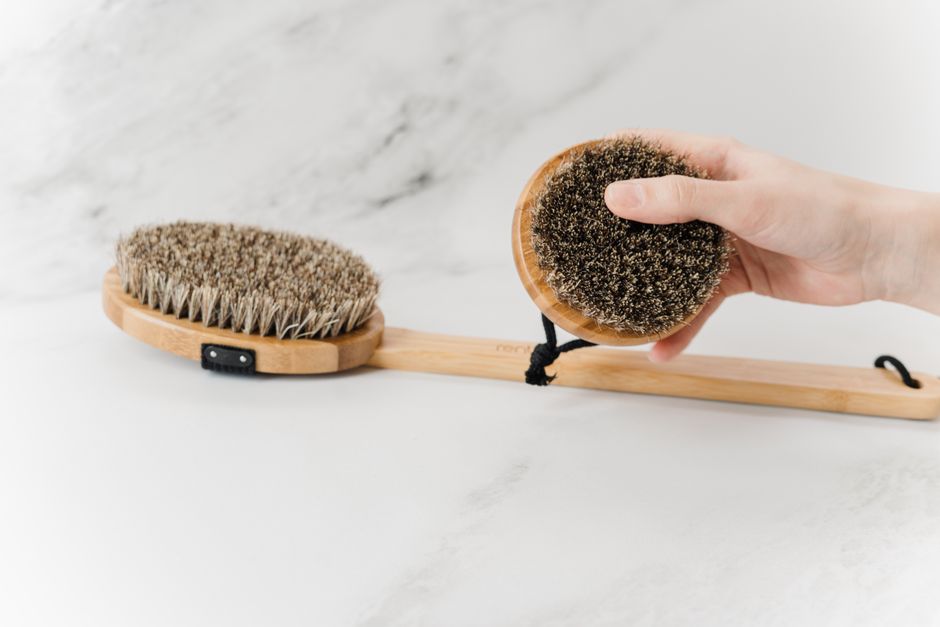
Cleaning a boar bristle brush comes down to three things: remove shed hairs and dust regularly, wash the bristles with a small amount of mild soap and lukewarm water, and dry the brush bristle-side down so water drains away from the wooden handle. Do this every two to four weeks for a brush you use daily, and more often if you use it with styling products. The full routine takes about five minutes.
Boar bristle brushes are a different animal from plastic or nylon brushes, and that changes how you clean them. The bristles are natural keratin, the same protein your hair is made of. They absorb water, oils, and product residue over time. The handle is usually wood, which swells and cracks when it stays wet. Treat both gently and the brush can last for years.
How To Clean A Boar Brush Without Damaging the Bristles
Boar bristles are durable in normal use but they are not waterproof. Prolonged soaking softens the keratin, causes the bristles to splay, and can loosen them from the pad or cushion they are set into.
Here is the method most brush makers and hair professionals describe, and it aligns with how you would clean any natural-fiber grooming tool.
- Start dry. Use a wide-tooth comb or a second brush to lift out loose hairs and lint before any water touches the brush.
- Fill a shallow bowl with lukewarm water. Hot water is the enemy here — it can warp wood and degrade natural bristles.
- Add a small amount of mild shampoo or a drop of gentle dish soap. A pea-sized amount is plenty for one brush.
- Dip only the bristles. Keep the handle and the base of the pad out of the water.
- Work the soap through the bristles with your fingertips, moving from the base outward. Do not scrub the bristles against each other.
- Rinse by dipping the bristles in clean lukewarm water, or hold the brush under a slow trickle with the bristles pointing down.
- Shake off excess water and blot the bristles with a clean towel.
- Set the brush bristle-side down on a towel to air dry. Never dry it bristle-side up, and never use a hair dryer.
Drying bristle-side down matters more than most people realize. Water that sits in the pad or seeps into the handle can cause the wood to crack and the bristle bundle to loosen. Gravity does the work for you if you let it.
How Often Should You Clean a Boar Bristle Brush?
Every two to four weeks is a reasonable schedule for a brush used once a day on clean hair. If you use the brush with pomade, oil, dry shampoo, or leave-in products, clean it weekly.
There is no official guideline here. This is practical advice based on how buildup accumulates, not a clinical standard. The signals that tell you it is time are easy to spot:
- The bristles look dull, clumped, or greasy instead of separated
- You can see a gray film on the bristles or the pad
- The brush leaves a waxy residue on your hair
- The brush smells stale or like old product
One thing worth knowing: a dirty brush can redistribute oil and product back onto clean hair. If you wash your hair and it looks greasy again within hours, the brush may be part of the reason.
Can You Use Regular Shampoo on a Boar Bristle Brush?
Yes. A small amount of the shampoo you already use on your hair is one of the safest options for boar bristles. It is formulated to be gentle on keratin, which is exactly what the bristles are made of.
What you want to avoid:
- Harsh degreasers and heavy-duty cleaners. They strip oils from the bristles and can leave them brittle.
- Hot water. It warps wooden handles and weakens the bristle set.
- Soaking the whole brush. Submerging the handle is the fastest way to ruin it.
- Conditioner. It coats the bristles and leaves a residue that defeats the purpose of cleaning.
If your brush has a wooden handle, mild soap and a quick wash is the whole routine. If it has a plastic or resin handle, you have a bit more leeway, but the bristles still should not be soaked.





How Do You Deep Clean a Boar Brush With Buildup?
For a brush with visible product buildup, a slightly stronger approach is reasonable. Mix a small amount of mild shampoo with lukewarm water and add a teaspoon of white vinegar or a pinch of baking soda. Work it through the bristles with your fingers or a soft-bristled cleaning brush.
Vinegar and baking soda are commonly recommended for cleaning natural bristle brushes. They help break down oils and product film. They are not a disinfectant at the concentrations used in a bowl of water, so do not treat this step as sterilization. If you want to reduce microbes on a brush, the more reliable step is thorough rinsing and complete drying, since most microorganisms need moisture to survive.
For stubborn buildup at the base of the bristles, a toothbrush or a small nail brush works well. Work gently. You are trying to lift residue, not scrub the bristles loose.
If the buildup has hardened into the pad and does not come out after one wash, repeat the process rather than escalating to stronger chemicals. Strong solvents can damage the bristle set permanently.
What About Wooden Handles and Pads?
Wood and water are not friends. The finish on most brush handles protects the wood for a while, but repeated soaking will eventually cause swelling, cracking, or a dull, raised grain.
Your best protection is simple: keep the handle dry during washing. If water does splash onto it, wipe it immediately with a dry cloth. Do not oil the handle unless the manufacturer recommends it. Some wood finishes are not designed to be re-oiled, and adding oil can attract dust and dirt.
If your brush has a cushioned pad with a small vent hole, water can get trapped inside. After washing, shake the brush firmly a few times to help water escape, then dry bristle-side down.
How Long Should a Boar Brush Last?
A well-cared-for boar bristle brush can last several years, sometimes longer. There is no fixed lifespan because it depends on bristle quality, how often you use it, and how you clean it.
Replace the brush when:
- Bristles are falling out in noticeable numbers
- The bristles have lost their shape or feel rough and split
- The pad is cracked or the bristle bundle is loose
- The handle has warped or split
Some shedding of individual bristles is normal, especially in the first few weeks of use. Losing a few bristles per week is not a sign of damage. Losing clumps is.
One clarification that surprises people: boar bristle brushes are not the same as “boar and nylon” blends. A blend has nylon pins mixed in for detangling. The cleaning method is the same, but nylon pins are more forgiving of moisture than pure boar bristles, so a blend may tolerate slightly more frequent washing without damage.
Common Mistakes That Shorten a Brush’s Life
Most boar brush damage comes from a handful of habits. Avoiding them is easier than repairing the brush later.
- Soaking the whole brush. This is the single most common cause of cracked handles and loose bristles.
- Using hot water. Lukewarm is the ceiling. Hot water accelerates damage to both wood and keratin.
- Drying bristle-side up. Water pools in the pad and handle instead of draining away.
- Using a hair dryer. Heat damages natural bristles and can warp the handle.
- Brushing wet hair with a boar brush. Wet hair stretches more easily, and boar bristles are not designed for detangling. Use a wide-tooth comb first.
- Skipping the dry step. Loose hairs left in the bristles trap oil and dust and speed up buildup.
None of these are complicated to fix. The routine is gentle by design, and that is the point. Boar bristles respond well to mild treatment and poorly to aggressive cleaning.
Does Cleaning a Boar Brush Affect Hair Health?
A clean brush distributes your scalp’s natural oils more evenly through the hair, which is one of the main reasons people use boar bristle brushes in the first place. A dirty brush does the opposite. It deposits old oil and product residue back onto the hair shaft.
The evidence here is practical rather than clinical. There is no body of research showing that brush cleanliness directly changes hair growth or scalp health outcomes. What is clear is mechanical: a clean brush performs its intended function better, and a brush loaded with residue does not.
If you have a scalp condition such as seborrheic dermatitis or psoriasis, keep your brush clean and do not share it. Anything that contacts the scalp repeatedly can carry oils, skin cells, and microorganisms between uses. Regular washing and thorough drying reduce that risk.
Frequently Asked Questions
Can I wash a boar bristle brush with dish soap?
Yes, a small drop of mild dish soap works if you do not have shampoo on hand. Use it sparingly and rinse thoroughly, since dish soap is more degreasing than hair shampoo and can leave natural bristles feeling dry.
How do I dry a boar bristle brush properly?
Shake off excess water, blot the bristles with a towel, and set the brush bristle-side down so water drains away from the handle. Air dry at room temperature and never use a hair dryer or direct heat.
How often should I clean my boar brush if I use hair products daily?
Weekly cleaning is reasonable if you use pomade, oil, or leave-in products every day. Daily product use builds up faster than plain oil from the scalp, and a residue-loaded brush will not perform the way it should.
Can a boar bristle brush go in the washing machine or dishwasher?
No. Both will destroy the wooden handle and damage the natural bristles. Hand washing with lukewarm water and mild soap is the only method that preserves the brush.
