
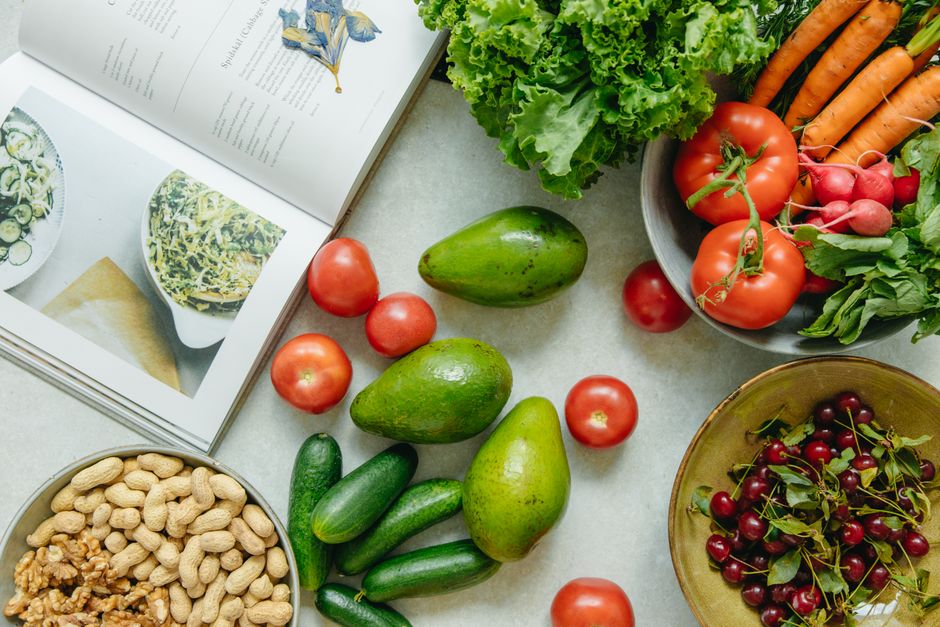
Choosing a ripe avocado can feel like a gamble. You squeeze it, stare at it, and hope it is not a brown mess when you cut it open. The truth is that selecting a good avocado comes down to a simple checklist of physical cues: color, firmness, and the condition of the stem. A perfect avocado gives slightly to gentle pressure, has a uniform dark skin, and pops cleanly from its stem cap. This guide walks you through the process step by step so you can pick a ready-to-eat avocado, or one that will be ready in a few days.
What Does a Ripe Avocado Look Like?
Color is a starting point, but it is not the whole story. Most Hass avocados, the most common variety in the United States, turn from bright green to a deep, almost black-green as they ripen. A very dark skin often means the fruit is close to ready. However, color alone can mislead you. Some avocados ripen unevenly, and the skin can darken from sun exposure before the flesh inside is soft.
Texture matters more than shade. A ripe avocado has a slightly bumpy, pebbled skin. If the skin looks shiny and smooth, the fruit is likely underripe. If the skin looks shriveled or has deep dents that stay when pressed, the avocado is probably overripe or bruised. Look for fruit with intact skin, no cuts, and no large soft spots that indicate damage.
How to Test for Ripeness by Feel
Firmness is the most reliable test. Hold the avocado in the palm of your hand, not with your fingertips. Squeeze it gently and evenly. Fingertips can bruise the flesh, leaving brown spots inside. A ripe avocado yields to firm, gentle pressure, similar to the feel of pressing on the palm of your hand at the base of your thumb. It should feel slightly soft but still hold its shape.
An avocado that feels rock hard is underripe and will need a few days at room temperature. An avocado that feels mushy, or that has a hollow feeling under the skin, is past its prime. The flesh inside will likely be brown, stringy, or fermented. If you are buying for a specific day, choose the firmness that matches your timeline: rock hard for later in the week, slightly soft for tomorrow, and soft for today.
What the Stem Tells You
The small stem cap at the top of the avocado is a hidden window into the fruit’s condition. Flick it off with your thumb. This is a common trick used by produce professionals, and it works well.
If the stem comes off easily and reveals green flesh underneath, the avocado is ripe and ready to eat. If the stem resists and does not come off, the avocado is not yet ripe. If the stem comes off and reveals brown flesh underneath, the avocado is overripe and likely has brown streaks inside. This test is not foolproof, but it is a strong indicator. Some stores frown on removing stems, so use this test when you can, and rely on the squeeze test when you cannot.





How to Choose the Right Avocado for Your Recipe
Different uses call for different levels of ripeness. Guacamole needs a fully ripe, soft avocado that mashes easily. Slices for salads or toast need a firmer ripe avocado that holds its shape. If you plan to eat the avocado today, choose one that is soft to the touch. If you plan to eat it in two or three days, choose one that is slightly firm. If you plan to eat it later in the week, choose one that is hard.
Buying avocados at different stages of ripeness is a practical strategy. Pick one ready to eat and one or two that need time. This way you always have an avocado at the right stage. Avocados do not ripen on the tree. They ripen after harvest, so a hard avocado will continue to soften at home on your counter. Refrigeration slows the process dramatically, so store ripe avocados in the fridge to buy yourself a few extra days.
How to Avoid Bruised or Damaged Avocados
Bruising is common and often invisible from the outside. A bad bruise can ruin half the fruit. Look for avocados with smooth, unbroken skin. Avoid fruit with deep cuts, punctures, or flattened areas. A flattened side often means the avocado was dropped or stacked under heavy weight, and the flesh underneath is likely damaged.
Also check the area around the stem. If the stem is loose or the area around it looks sunken or dark, the avocado may be overripe. Some darkening around the stem is normal, but large sunken areas are a sign of internal decay. When you get home, cut the avocado open as soon as you plan to use it. If you find brown spots, you can often cut them away, but if the flesh is stringy or has an off smell, discard it.
How to Ripen Avocados Faster at Home
If you bought a hard avocado and need it sooner, you can speed up the process. Place the avocado in a paper bag with an apple or a banana. These fruits release ethylene gas, a natural plant hormone that promotes ripening. Close the bag loosely and leave it at room temperature. Check daily. This method can ripen an avocado in one to two days, depending on how hard it started.
Do not use plastic bags. They trap moisture and can cause mold or rot. Do not put avocados in the microwave or oven to ripen them. Heat may soften the flesh, but it does not ripen the fruit properly and can ruin the texture and flavor. The only reliable way to ripen an avocado is time at room temperature. The paper bag trick simply concentrates the natural ethylene gas to speed up that process.
How to Store Cut Avocados
Once you cut an avocado, it begins to brown from exposure to oxygen. This is a natural oxidation process, not a sign of spoilage. The brown layer is safe to eat, but it does not look appetizing. To slow browning, keep the pit in the half you are not using. The pit reduces the exposed surface area, but it does not stop oxidation on the cut face.
Brush the cut surface with lemon or lime juice. The citric acid slows oxidation. Then wrap the avocado tightly in plastic wrap, pressing the wrap directly against the flesh to exclude air. Store it in the refrigerator. A cut avocado will last about one to two days this way. If the surface browns, you can scrape off a thin layer and the flesh underneath is usually still green and fine to eat.
Are There Different Avocado Varieties?
Hass is the dominant variety in US grocery stores, and it is the one most people picture. It has dark, pebbly skin and a rich, creamy texture. Hass is reliable and widely available year-round. Other varieties exist and are worth trying if you find them.
Fuerte avocados are larger, with thinner, smoother skin that stays green even when ripe. They have a slightly lighter flavor and more water content. Bacon avocados are another green-skinned variety with a milder taste. Reed avocados are very large, round, and have a buttery texture. The ripeness tests remain the same across varieties: gentle pressure and stem condition. The main difference is that green-skinned varieties do not darken as they ripen, so color is a less useful signal for them. Rely on firmness instead.
Frequently Asked Questions
How do you pick a ripe avocado in the store?
Hold it in your palm and squeeze gently. It should yield slightly to pressure, like the base of your thumb, and the stem cap should pop off to reveal green flesh underneath.
Should avocados be hard or soft?
It depends on when you plan to eat them. Soft avocados are ready today, slightly firm ones are ready in a day or two, and hard ones need several days to ripen at room temperature.
How long does it take for an avocado to ripen on the counter?
Most hard avocados ripen in two to four days at room temperature. Putting them in a paper bag with an apple or banana can speed this up to one to two days.
Can you eat an avocado that is brown inside?
Brown flesh is safe to eat if it does not smell fermented or taste off. Small brown spots can be cut away, but stringy or foul-smelling flesh should be discarded.
