
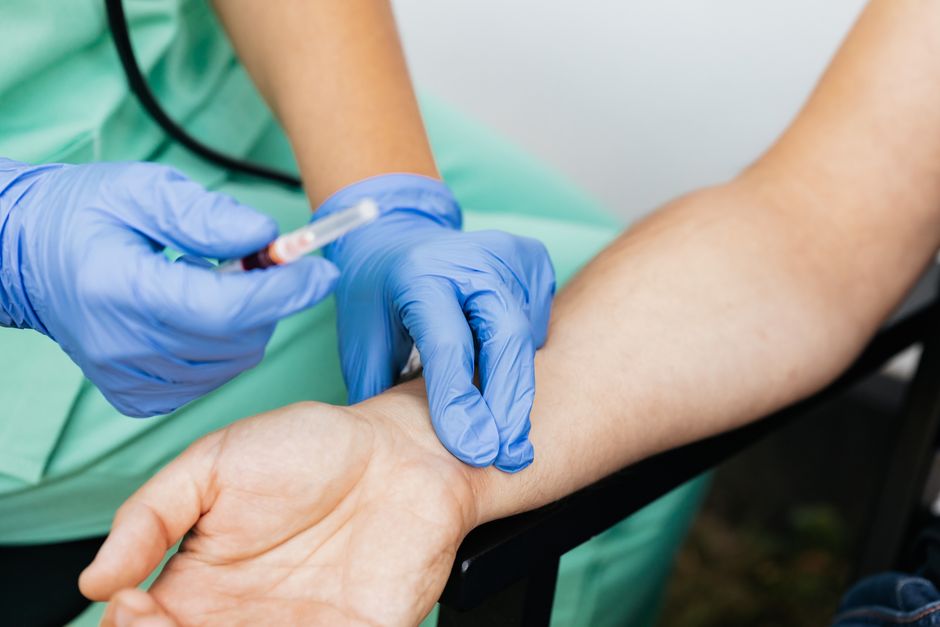
Prostate tests help check for early signs of prostate cancer. The two main tests are a blood test called PSA and a digital rectal exam (DRE). The PSA test measures a protein your prostate makes. The DRE is a brief physical exam where the doctor feels the prostate through the rectum. Both are quick and done in a doctor’s office. If results are not normal, you may need more tests.
What are the main prostate tests?
Doctors use two primary tests to look at prostate health. The PSA blood test measures prostate‑specific antigen, a protein your prostate produces. Higher levels can signal inflammation, enlargement, or cancer. The digital rectal exam lets the doctor feel the size, shape, and texture of your prostate. A lump or hard spot may need further checking.
Some doctors also order a free PSA test or a PCA3 urine test if results are borderline. These help decide whether a biopsy is needed. A biopsy is the only way to confirm cancer, but it is not a routine screening test — it is done only when other results point to possible cancer.
How to prepare for a PSA blood test
You do not need to fast or change your diet. However, some things can temporarily raise your PSA level. Doctors often advise avoiding ejaculation for 48 hours before the test. Strenuous exercise like cycling or heavy lifting may also affect results. Certain medications, especially finasteride and dutasteride, lower PSA levels. Make sure your doctor knows all medicines and supplements you take.
If you have a urinary tract infection or a recent catheter placement, the PSA may be falsely high. It is best to wait until any infection is treated. Some evidence shows that a mild PSA rise from these factors usually resolves, but it is wise to repeat the test if it was done during an illness.
What happens during a digital rectal exam
You will either bend over the exam table or lie on your side with knees drawn up. The doctor puts on a lubricated, gloved finger and gently inserts it into your rectum. The exam lasts about 10 to 15 seconds. You may feel pressure or a brief urge to urinate, but it is not painful for most men. The doctor checks the prostate’s size, firmness, and any nodules or asymmetry.
A DRE alone cannot diagnose cancer. It is used together with the PSA test. Some men find it uncomfortable, but it is a routine part of a prostate check and very safe.




What do PSA results mean?
A PSA level below 4 ng/mL is generally considered normal. But that number is not a hard cutoff. Some men with a PSA below 4 have cancer, and many with a PSA above 4 do not. PSA levels naturally rise with age. For a man in his 60s, a PSA of 5 may be less concerning than a PSA of 3 that jumps quickly in a year.
Doctors also look at PSA density (level relative to prostate size) and PSA velocity (how fast it rises over time). A rapid rise is more suspicious. The free PSA test measures how much PSA is not bound to proteins. A low free PSA percentage is linked to higher cancer risk. No single number gives a definite answer — all require interpretation.
What happens if results are abnormal?
If either the PSA or DRE is unusual, your doctor may recommend a repeat test in a few weeks. Many men have a slightly high PSA that comes down on a second check. If it remains high or if the DRE feels suspicious, you will likely see a urologist. The urologist may order a multiparametric MRI of the prostate. MRI can show areas that look suspicious without needing a biopsy.
If the MRI shows a concerning area, the next step is often a prostate biopsy. A biopsy uses a thin needle to take small tissue samples from the prostate, usually through the rectum (transrectal) or through the skin between the scrotum and anus (transperineal). The procedure is done with local numbing and usually takes about 10 minutes. It has risks of bleeding, infection, and discomfort after.
Not every abnormal test means cancer. Many men have elevated PSA from benign prostatic hyperplasia (BPH), prostatitis, or other causes. Biopsy is the only way to know for sure, but it is reserved for cases where the risk of cancer is high enough to justify the risks.
How to check your prostate tests and what to expect from follow‑up
After the initial tests, the main question is what to do with the results. If your PSA is normal and the DRE feels normal, most doctors suggest repeating the test every one to two years depending on your age and risk factors. If results are borderline, expect a conversation about your personal risk — age, family history, race, and any urinary symptoms. Guidelines from the U.S. Preventive Services Task Force recommend discussing screening with your doctor starting at age 50, or at age 45 for African American men or those with a father or brother who had prostate cancer.
If a biopsy is recommended, you will get clear instructions. You may need to stop blood‑thinning medications for a few days. After the biopsy, you will likely see some blood in your urine, semen, or stool for a few days. Serious complications are rare. Results from the biopsy usually take about a week.
Limitations of prostate tests
No prostate test is perfect. The PSA test misses some cancers (false negatives) and flags many men who do not have cancer (false positives). Up to 75% of men with a PSA above 4 do not have cancer on biopsy. On the other hand, some aggressive cancers do not raise PSA much. The DRE depends heavily on the doctor’s experience and can miss small or early cancers.
Because of these limits, screening remains controversial. Some experts believe it leads to overdiagnosis and overtreatment of slow‑growing cancers that would never cause harm. Others argue it saves lives by catching dangerous cancers early. The most honest answer is that you need to make an informed choice with your doctor based on your own values and risk.
Frequently Asked Questions
Do I need to stop taking medications before a PSA test?
Some medications like finasteride and dutasteride lower PSA, but do not stop them without talking to your doctor first. Your doctor needs to know your exact medications to interpret the result correctly.
Can I have a prostate exam if I have hemorrhoids?
Yes. Hemorrhoids do not prevent a digital rectal exam, but they may cause extra discomfort. Tell your doctor so they can be gentle.
How long does it take to get PSA results?
The blood test is processed in a lab, and results are usually available within a few days. Your doctor’s office will call you or post them in your patient portal.
What if my PSA is high but the DRE feels normal?
This is common. Your doctor will likely repeat the PSA in a few weeks to a few months. If it stays high, an MRI or biopsy may be discussed, but many men with this pattern never have cancer.
