

Checking your blood pressure at home is one of the most reliable ways to know your heart health. The best method is to sit quietly for five minutes with your back supported and feet flat on the floor before taking a reading. Use a validated automatic monitor with an upper arm cuff, and take two to three readings one minute apart, then average them. This simple routine gives you numbers your doctor can actually trust.
What Is the Most Accurate Way to Measure Blood Pressure at Home?
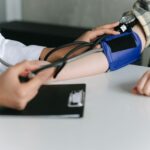
The American Heart Association recommends a specific setup for home blood pressure monitoring. You need a quiet room, a comfortable chair, and a validated automatic monitor with an upper arm cuff. Wrist or finger monitors are less reliable and not recommended unless your doctor specifically instructs you to use one.
Before you take a reading, empty your bladder. A full bladder can raise your systolic pressure by 10 to 15 points. Sit in a chair with your back straight and supported. Keep both feet flat on the floor. Do not cross your legs. Rest your arm on a table or armrest so the cuff is at heart level. Wait five minutes in this position before pressing start.
Take two readings at least one minute apart. If the numbers differ by more than 5 mmHg, take a third reading. Record all readings and average the last two. This process removes the natural variation that happens with each heartbeat and gives you a stable baseline.
How Often Should You Check Your Blood Pressure at Home?
The frequency depends on your health situation. For people with diagnosed hypertension, the American Heart Association suggests checking twice daily. Take one reading in the morning before eating or taking medication and one in the evening before bed. Each session should include two to three readings as described above.
For people monitoring a new medication or a recent change in treatment, doctors often recommend checking daily for one to two weeks. Record the numbers and share them at your next appointment. This data helps your doctor adjust your medication dose with real evidence rather than guesswork.
If your blood pressure is well controlled and stable, checking once or twice a week is usually enough. Some people check only before a doctor visit. That is fine as long as you follow the same consistent technique. The key is consistency in timing and conditions so your numbers are comparable over time.
What Common Mistakes Ruin Home Blood Pressure Readings?
Several everyday errors can make your numbers unreliable by 10 to 30 points. The most common mistake is talking during the measurement. Even a short conversation can raise your reading by 10 mmHg. Stay silent and still while the cuff inflates and deflates.
Another frequent error is using the wrong cuff size. A cuff that is too small can overestimate your blood pressure by 10 to 20 points. A cuff that is too large can underestimate it. Measure the circumference of your upper arm midway between your shoulder and elbow. Most adults need a standard cuff, but larger or smaller cuffs are available. Check your monitor manual or ask your doctor for the correct size.
Smoking, caffeine, or exercise within 30 minutes before a reading can spike your numbers. Alcohol also affects readings for several hours. Do not take a reading right after a stressful event or argument. If you are rushed or anxious, your numbers will reflect that temporary state, not your true resting blood pressure.
One more mistake people make is relying on a single reading. Blood pressure naturally fluctuates throughout the day. A single high reading does not mean you have hypertension. A single normal reading does not mean you are fine. Always take multiple readings and look at the pattern over days and weeks.



How Do You Choose a Good Home Blood Pressure Monitor?
Not all monitors are equally accurate. Look for a monitor that has been validated for clinical accuracy. Organizations like the British Hypertension Society and the American Medical Association maintain lists of validated devices. These monitors have been tested against a mercury sphygmomanometer, the gold standard, and proven to give reliable results.
Automatic upper arm cuffs are the best choice for most people. They are easy to use and require no training. Wrist monitors are less accurate because the wrist is farther from the heart and more sensitive to position changes. Finger monitors are even worse and should be avoided entirely.
Here is a quick comparison of common monitor types:
| Monitor Type | Accuracy | Ease of Use | Best For |
|---|---|---|---|
| Upper arm automatic | High | Easy | Most people |
| Wrist automatic | Moderate | Moderate | People with very large arms |
| Finger automatic | Low | Easy | Not recommended |
| Manual (stethoscope) | Highest | Difficult | Trained professionals only |
Replace your monitor every two years or according to the manufacturer instructions. The internal components can drift over time, making readings less accurate. If your monitor gives a reading that seems very different from your doctor’s office reading, bring it to your next appointment and compare it against their equipment.
What Do Your Home Blood Pressure Numbers Actually Mean?
Blood pressure is recorded as two numbers. The top number is systolic pressure, the pressure when your heart beats. The bottom number is diastolic pressure, the pressure when your heart rests between beats. Both numbers matter, but systolic pressure becomes more important as you age.
The American Heart Association defines normal blood pressure as less than 120/80 mmHg. Elevated blood pressure is 120-129 systolic with diastolic below 80. Stage 1 hypertension is 130-139 systolic or 80-89 diastolic. Stage 2 hypertension is 140 or higher systolic or 90 or higher diastolic. A hypertensive crisis is 180/120 or higher and requires immediate medical attention.
Home readings are often slightly lower than readings taken in a doctor’s office. This is normal. Many people experience white coat syndrome, where anxiety about being in a medical setting raises their numbers. Your doctor should know your home readings and compare them to their office readings to get a complete picture.
If your home readings consistently show high numbers, do not panic. One high session does not mean you have a problem. Look at the pattern over several days. If your readings are consistently above 130/80, make an appointment with your doctor. Do not stop or change your medication on your own based on home readings.
How Does Checking Blood Pressure at Home Help Your Doctor?
Home monitoring provides your doctor with more data than a single office visit can offer. Blood pressure varies with time of day, stress, diet, and activity. A single reading in a clinic captures only one moment. Home readings taken over days or weeks show your true average blood pressure, which is a better predictor of heart disease risk.
Research published in the Journal of the American Medical Association found that home blood pressure monitoring, when combined with support from a healthcare team, leads to better blood pressure control than office monitoring alone. Patients who monitor at home are more engaged in their care and more likely to stick with treatment plans.
Bring a written log of your readings to each appointment. Include the date, time, and any notes about what you were doing before the reading. Do not bring just the average. Bring the full set so your doctor can see the variation. This information helps your doctor make more precise decisions about your medication and lifestyle recommendations.
Some people worry that home monitoring will make them anxious about their numbers. If this happens, talk to your doctor. You can adjust the frequency of checking or the way you record readings. The goal is to give you useful information without creating unnecessary stress.
Common Misconceptions About Home Blood Pressure Monitoring
One widespread myth is that you need to check your blood pressure multiple times throughout the day to get accurate numbers. This is not true. The standard recommendation is morning and evening. Checking more often can lead to unnecessary worry and does not improve accuracy. The body’s natural fluctuations mean that more readings do not automatically mean better data.
Another misconception is that a home monitor that gives a high reading is automatically broken. While monitors can malfunction, a high reading is often accurate and reflects a temporary spike. Before assuming the monitor is wrong, repeat the reading following proper technique. If the high reading persists, it is worth discussing with your doctor rather than ignoring it.
Some people believe that if their home readings are normal, they do not need to see a doctor for blood pressure checks. This is not entirely true. Your doctor needs to confirm that your home monitor is accurate by comparing it to their equipment. Also, blood pressure is only one part of cardiovascular health. Regular checkups include other important measures like cholesterol, blood sugar, and overall risk assessment.
Frequently Asked Questions
What is the best time of day to check blood pressure?
The best time is in the morning before eating or taking medication and again in the evening before bed. Consistency in timing matters more than the exact hour.
Can I check my blood pressure right after exercise?
No, wait at least 30 minutes after exercise. Physical activity raises blood pressure temporarily, and a reading taken too soon will not reflect your resting level.
How do I know if my home blood pressure monitor is accurate?
Bring your monitor to your doctor’s office and compare it to their equipment. A difference of more than 5 mmHg may mean your monitor needs replacement.
