
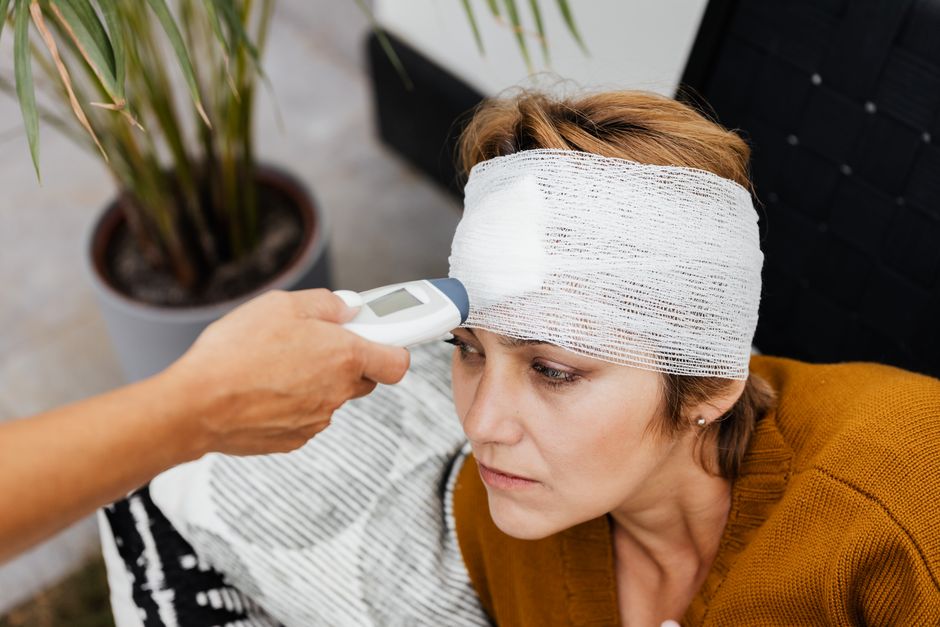
A concussion is a mild traumatic brain injury. It happens when a blow to the head or body makes the brain move quickly inside the skull. Checking for one means looking for specific signs and symptoms right after the injury and in the hours that follow. You cannot see a concussion on a standard CT scan or MRI. The diagnosis is based on symptoms and a clinical exam. If you suspect a concussion after any head impact, stop the activity immediately and get checked by a healthcare professional.
What Are the Immediate Signs of a Concussion?
The first minutes after a head injury matter most. Loss of consciousness happens in only about 10 percent of concussions. Most people with a concussion never black out. Do not wait for someone to pass out before taking the injury seriously.
Watch for these immediate red flags that require emergency care:
- Loss of consciousness for any length of time
- Repeated vomiting
- Seizure or convulsion
- Weakness or numbness in arms or legs
- Slurred speech
- Unequal pupil size
- Worsening headache
- Increasing confusion or agitation
- Inability to recognize people or places
Anyone with these signs needs emergency medical attention right away. Call 911 or go to the nearest emergency department.
How To Check For a Concussion Using Symptoms
Concussion symptoms fall into four categories. A person does not need to have all of them to have a concussion. Even one new symptom after a head impact is enough to suspect one.
Physical symptoms include headache, dizziness, balance problems, nausea, sensitivity to light or noise, and blurred vision. The headache may be mild or severe. It may not start until hours after the injury.
Cognitive symptoms affect thinking. The person may feel mentally foggy, have trouble concentrating, or struggle to remember new information. They may answer questions slowly or repeat themselves.
Emotional symptoms include irritability, sadness, nervousness, or feeling more emotional than usual. These changes can be subtle at first.
Sleep symptoms include sleeping more than usual, sleeping less than usual, or having trouble falling asleep. Sleep changes may not appear until the first night after the injury.
What Questions Should You Ask Someone With a Head Injury?
Asking simple questions tests memory and orientation. These are not diagnostic tools, but they help you notice changes in thinking.
Ask questions like:
- What is your name?
- Where are we right now?
- What time of day is it?
- What happened to you?
- Can you repeat these three words back to me?
- What did you have for breakfast this morning?
A person with a concussion may answer some questions correctly and miss others. They may seem confused about recent events but remember old memories clearly. Compare their answers to how they normally behave. If a normally sharp person becomes vague or slow, that is a concerning change.
Ask the same questions again 30 minutes later. Symptoms of concussion can evolve. Someone who seems fine immediately after a hit can develop confusion or memory problems within the hour.





What Does a Basic Balance and Coordination Check Look Like?
Concussion affects the brain areas that control balance. Simple tests can reveal problems a person might not notice themselves.
Have the person stand with feet together and arms at their sides. Ask them to close their eyes. Most healthy adults can hold this position for 20 seconds without significant swaying. A person with a concussion may wobble, reach for support, or open their eyes early.
Next, ask them to walk in a straight line heel-to-toe for about 10 steps. Then have them turn around and walk back. Difficulty staying on the line, staggering, or needing to look down constantly can indicate balance impairment.
These tests are not definitive. A person can have a concussion and pass both tests. They are screening tools, not proof that no injury exists. Balance problems can also be caused by inner ear issues, alcohol, or extreme fatigue. Do not use these tests alone to clear someone after a head injury.
When Do Concussion Symptoms Appear?
Symptoms can appear immediately or develop gradually. Some people feel fine for the first hour and then develop a headache, nausea, or confusion. Others notice problems right away.
Delayed symptoms are common. The brain’s metabolic changes after injury build over time. A person who seems completely normal immediately after a blow may show clear symptoms two to six hours later.
This is why observation matters. Anyone with a suspected concussion should not be left alone for the first 24 hours. A responsible adult should check on them regularly, especially overnight. If symptoms worsen during this period, seek medical care.
What Should You Do If You Suspect a Concussion?
If you suspect a concussion, remove the person from the activity immediately. Do not let them “play through it” or “shake it off.” Returning to play the same day increases the risk of prolonged recovery and, in rare cases, second impact syndrome — a dangerous condition where a second concussion before the first heals causes severe brain swelling.
Seek medical evaluation. A doctor or trained clinician can perform a more thorough assessment and rule out more serious injuries. This is especially important for children, older adults, and anyone taking blood-thinning medication.
For the first 24 to 48 hours, the person should rest. This means limiting physical activity and reducing mentally demanding tasks like screen time, reading, or work. They should avoid alcohol, recreational drugs, and any medication not approved by a doctor. Do not give aspirin or ibuprofen for a concussion headache unless a doctor approves, as these can increase bleeding risk in some situations.
Wake the person periodically during the first night. This does not need to happen every hour unless a doctor advises it. Checking every two to three hours is reasonable to ensure they are responsive and their symptoms have not worsened.
How Is a Concussion Diagnosed by a Professional?
Healthcare professionals use a combination of history, symptom checklists, and physical examination. They will ask about the mechanism of injury, whether there was any loss of consciousness, and what symptoms have developed since.
They may use a standardized assessment tool. The Sport Concussion Assessment Tool, now in its fifth edition, is commonly used. It includes a symptom checklist, questions about orientation and memory, a balance test, and coordination checks. It takes about 10 minutes to complete.
Neurological examination includes checking pupil response, eye movement, coordination, reflexes, and sensation. A doctor may also assess cognitive function with simple memory and concentration tasks.
Imaging is not routine. CT scans and MRIs are normal in most concussion cases because the injury is functional, not structural. Doctors order imaging only when they suspect bleeding, skull fracture, or other serious brain injury. Signs that warrant imaging include worsening symptoms, seizures, repeated vomiting, or a dangerous mechanism of injury like a high-speed car accident or a fall from significant height.
What Does Recovery Look Like?
Most adults recover from a concussion within 7 to 14 days. Children and teenagers may take slightly longer, often up to four weeks. Recovery time varies based on the severity of the injury, age, and whether the person has had prior concussions.
Return to normal activities should be gradual. Complete rest for days on end is no longer recommended. Current guidance supports relative rest for the first 24 to 48 hours, followed by a gradual return to normal activities as symptoms allow. Pushing through symptoms makes recovery worse.
A person should return to school, work, or sport only when their symptoms have resolved at rest. Then they should increase activity gradually. For athletes, most organizations recommend a stepwise return-to-play protocol that takes at least several days to complete once symptom-free.
Frequently Asked Questions
Can you check for a concussion at home?
You can look for signs and symptoms at home, but you cannot diagnose a concussion. Ask about symptoms, check memory and balance, and monitor for changes, then seek professional medical evaluation.
How long after hitting your head can concussion symptoms start?
Symptoms can start immediately or appear several hours later. Some people feel fine for the first hour and then develop headache, confusion, or nausea, so observation for at least 24 hours is important.
What is the most common first sign of a concussion?
Headache is the most commonly reported symptom, but confusion or feeling mentally foggy is also very common. Symptoms vary from person to person, and no single symptom confirms a concussion.
Can you sleep after a possible concussion?
Yes, sleeping is safe and actually helps the brain recover. Have someone wake you every two to three hours during the first night to check that your symptoms have not worsened.
