
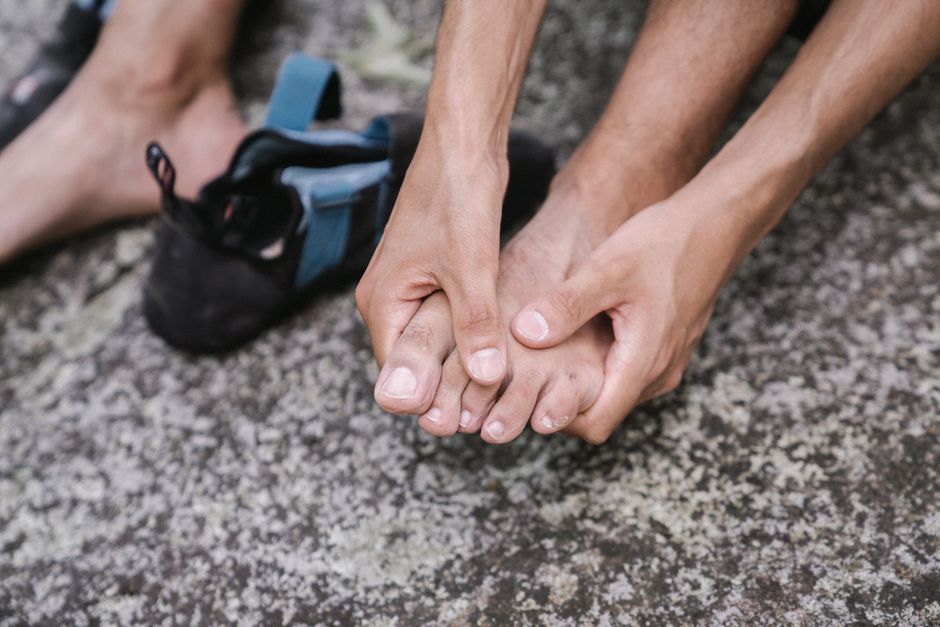
Blisters on your feet are painful, annoying, and can ruin a good walk or workout. The simple truth about caring for them at home is this: leave them alone if they are intact, protect them from friction, and keep the area clean. Most blisters heal on their own within a few days. The real skill is knowing when to pop one and when to never touch it. This guide walks through what the evidence shows, what common advice gets wrong, and how to actually handle foot blisters without making things worse.
Should You Pop a Blister on Your Foot?
This is the most common question and the answer is clear in medical guidelines. Do not pop an intact blister unless it is very large, very painful, or in a spot where it will burst on its own anyway. The skin roof of a blister is a natural sterile bandage. Once you break it, you open the door to infection.
The American Academy of Dermatology advises that intact blisters should be left alone. Cover them with a soft pad or moleskin to prevent further rubbing. If the blister is smaller than a pea, just let it be. If it is larger than a pea or in a high-friction area like the heel, you may want to drain it — but only under clean conditions.
If you do drain a blister, wash the area with soap and water first. Use a sterilized needle — wipe it with rubbing alcohol. Poke the edge of the blister, not the center. Let the fluid drain but keep the skin roof in place. Apply antibiotic ointment and cover with a bandage. Change the dressing daily.
What Is the Best Way to Cover and Protect a Foot Blister?
Protection is the main goal. Friction causes blisters and friction makes them worse. Once you have one, you need to stop anything from rubbing against it.
For intact blisters, a hydrocolloid bandage works well. These are the gel-like pads that stick to the skin and create a cushioned barrier. They reduce pain and speed healing by keeping moisture in. Research published in the Journal of Wound Care found that hydrocolloid dressings significantly reduced healing time compared to standard bandages for minor blisters.
For drained blisters, use a plain adhesive bandage or sterile gauze with medical tape. Change it daily. Watch for signs of infection — redness spreading beyond the blister, warmth, pus, or red streaks. If any of these appear, see a doctor.
| Blister Type | Best Covering | How Often to Change |
|---|---|---|
| Intact, small | Hydrocolloid bandage or moleskin | Leave on until it falls off (3-5 days) |
| Intact, large or painful | Drain first, then hydrocolloid or sterile gauze | Daily for gauze; leave hydrocolloid on |
| Drained or torn | Antibiotic ointment + sterile bandage | Daily |
| Infected (red, warm, pus) | Medical attention needed | N/A — see doctor |
What Home Remedies Actually Help Blisters Heal Faster?
Most home remedies for blisters fall into two categories: things that help and things that do nothing. Let’s separate them.
Things that help: Keeping the area clean and dry. Using a protective barrier like petroleum jelly around the blister (not on the open wound) to reduce friction. Soaking in warm water with Epsom salt can help if the blister is already draining — it keeps the area clean and may reduce discomfort. There is no strong evidence that Epsom salt speeds healing, but it does not hurt.
Things that do not help: Apple cider vinegar, tea tree oil, toothpaste, and duct tape. These are popular online remedies with no clinical support. In fact, applying acidic substances like vinegar to broken skin can cause chemical burns and delay healing. Duct tape can rip the skin roof off when removed, turning a manageable blister into a raw wound.
Aloe vera gel is safe and may provide cooling relief, but there is limited evidence it shortens healing time for blisters specifically. It is fine to use if you have it, but do not expect it to be more effective than a basic bandage.


How To Care For Blisters On Feet At Home Without Making Them Worse
The core routine for foot blister care is simple and backed by dermatology guidelines. Wash your hands before touching the area. Clean the blister and surrounding skin with mild soap and water. Pat dry. Apply a protective covering. That is the entire protocol for intact blisters.
For blisters that have already burst, the steps are slightly different. Gently clean the area with soap and water. Do not use hydrogen peroxide or alcohol on the open wound — these kill healthy tissue and slow healing. Apply a thin layer of antibiotic ointment like bacitracin or a plain petroleum-based ointment. Cover with a non-stick pad and tape it in place.
Change the dressing every day. If the area gets wet, change it sooner. Keep the foot elevated when resting to reduce swelling. Do not wear the same shoes that caused the blister until it heals completely. If you must wear them, pad the blister area with moleskin or a gel blister cushion.
What Causes Foot Blisters and How Can You Prevent Them?
Blisters form when friction separates the top layer of skin from the layers below. Fluid fills the space to protect the raw tissue underneath. The most common causes are ill-fitting shoes, new shoes that have not been broken in, and moisture from sweat or wet socks.
Prevention is more effective than treatment. Start with properly fitted shoes — your toes should have room to wiggle and your heel should not slide. Wear moisture-wicking socks made of synthetic blends or wool, not cotton. Cotton holds moisture against the skin, which increases friction and blister risk.
The CDC and military research on foot care in field conditions have found that keeping feet dry is the single most effective prevention method. Changing socks mid-day if your feet sweat heavily can cut blister rates significantly. Applying a friction-reducing balm or powder to high-risk areas before activity also helps.
- Wear shoes that fit properly with room in the toe box
- Use moisture-wicking socks, not cotton
- Apply petroleum jelly or anti-friction balm to hot spots before activity
- Change socks if feet get sweaty
- Break in new shoes gradually over several days
When Should You See a Doctor for a Foot Blister?
Most foot blisters are minor and heal at home. But some situations require medical attention. If you have diabetes or peripheral artery disease, foot blisters are a serious concern. Poor circulation and reduced sensation mean a small blister can become a non-healing ulcer. The American Diabetes Association recommends that anyone with diabetes check their feet daily and see a podiatrist for any blister that does not heal within a few days.
Signs of infection include increasing redness, warmth, swelling, pain that gets worse instead of better, yellow or green pus, or red streaks spreading up the foot or leg. Fever with a blister is also a red flag. If the blister was caused by a burn, a chemical exposure, or a frostbite injury, see a doctor rather than treating it at home.
If a blister is very large — over an inch across — or in a location that makes walking impossible, a doctor can drain it under sterile conditions. This is safer than doing it yourself and reduces infection risk.
Common Misconceptions About Blister Care
One myth that will not die is that you should “let blisters breathe.” Open wounds heal better in a moist environment, not a dry one. A covered blister heals faster than one left exposed to air. The cover keeps bacteria out and prevents the wound from drying into a scab that slows cell migration.
Another misconception is that blister pads and bandages should be removed every night. If you use a hydrocolloid bandage, leave it on until it starts to peel off on its own. Removing it early can pull off the skin roof and set healing back.
Some people believe that toughening the skin with rubbing alcohol or frequent walking prevents blisters. This does not work. Thick calluses can actually make blisters more likely because the stiff skin does not flex well with movement, creating shear forces underneath. Keeping skin healthy and moisturized is better than trying to harden it.
Frequently Asked Questions
Can I pop a blister on my foot with a needle?
Yes, but only if it is large, painful, or likely to burst on its own. Sterilize the needle with rubbing alcohol and clean the skin first. Leave the skin roof in place to protect the wound.
How long does a foot blister take to heal?
Most intact blisters heal in 3 to 7 days. Drained or torn blisters take longer, usually 7 to 14 days. Healing time depends on size, location, and whether infection develops.
Is it better to keep a blister covered or let it air out?
Keep it covered. A moist healing environment under a bandage speeds recovery and reduces infection risk. Letting it dry out slows cell growth and can increase pain.
What should I put on a burst blister on my foot?
Clean it gently with soap and water. Apply a thin layer of antibiotic ointment or petroleum jelly. Cover with a non-stick bandage and change it daily. Watch for signs of infection.
