
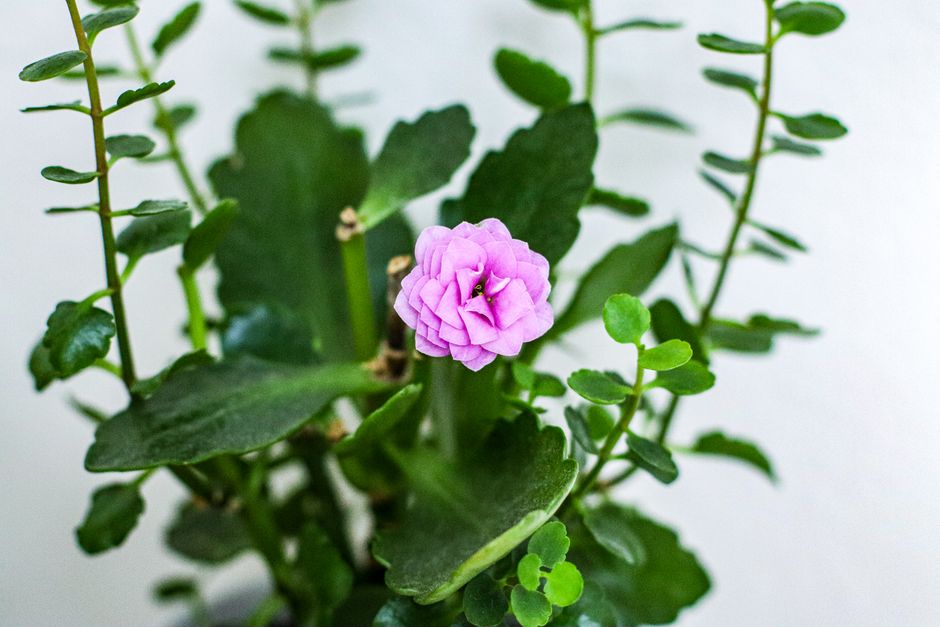
Robbie kalanchoe is a compact flowering succulent known for its dense clusters of small, brightly colored blooms and thick, scalloped green leaves. Caring for it means giving it bright light, letting the soil dry out between waterings, and keeping it in a warm spot away from cold drafts. Get those basics right and this plant is genuinely low-maintenance.
One thing worth knowing up front: “Robbie” is a cultivated variety of Kalanchoe blossfeldiana, the same species sold as florist kalanchoe. That matters because the care that works for one variety of this species generally works for the others. You are not dealing with a rare or fragile plant.
What Kind of Plant Is a Robbie Kalanchoe?
Kalanchoe blossfeldiana is a succulent in the Crassulaceae family, native to Madagascar. It grows as a small, bushy plant, usually staying under about 12 to 18 inches indoors. The “Robbie” variety is one of many named cultivars bred for flower color and compact growth.
Like other succulents in this family, it uses a water-storing strategy called CAM photosynthesis. In simple terms, the plant opens the tiny pores on its leaves at night rather than during the day. This lets it take in carbon dioxide while losing far less water to the air. It is an adaptation to dry environments, and it is the reason the plant tolerates neglect far better than it tolerates overwatering.
The thick leaves hold water. That single fact drives most care decisions. When in doubt, the plant almost always wants less water, not more.
How Much Light Does a Robbie Kalanchoe Need?
Bright, indirect light for most of the day is the target. A spot near a south- or east-facing window usually works well indoors. Some direct morning sun is fine and often helps the plant stay compact.
Harsh afternoon sun in a hot window can scorch the leaves, causing pale or brown patches. If you see that, move the plant back from the glass or filter the light with a sheer curtain.
Light also affects flowering. Kalanchoe is a short-day plant, meaning it forms flower buds when nights are long enough. This is why plants often bloom in late winter and early spring, and why indoor lighting at night can interfere with reblooming. More on that below.
How Often Should You Water a Robbie Kalanchoe?
Water when the top inch or two of soil is dry, then water thoroughly until it drains out the bottom. Empty the saucer afterward so the roots are not sitting in water.
There is no fixed schedule that fits every home. Watering frequency depends on light, temperature, pot size, and soil mix. In a bright warm room the plant may need water roughly every one to two weeks. In a cooler, dimmer spot it may go three weeks or longer. Always check the soil rather than following a calendar.
Overwatering is the most common way people kill this plant. Roots kept constantly wet can rot, and by the time you see soft, yellowing, or mushy stems, damage is often advanced. Underwatering, by contrast, usually shows up as slightly wrinkled leaves and is easy to correct.
A few signals to watch:
- Wrinkled, slightly limp leaves: often a sign the plant is thirsty.
- Yellow, translucent, or mushy leaves and stems: usually too much water.
- Healthy growth with firm leaves: watering is likely on track.




What Soil and Pot Does It Need?
A fast-draining succulent or cactus mix works best. These mixes contain coarse material like perlite or pumice that lets water move through quickly instead of holding it around the roots.
Ordinary potting soil holds too much moisture for this plant on its own. If that is all you have, mixing in extra perlite can improve drainage, though a dedicated succulent mix is simpler.
Any pot with a drainage hole will do. A hole matters more than the material. Terracotta dries out a little faster than plastic, which can help if you tend to overwater, but it is not required.
What Temperature and Humidity Does It Prefer?
Average indoor temperatures suit this plant well. Typical comfortable room temperatures in the range most homes sit at are fine. What it does not like is cold.
Kalanchoe is sensitive to cold and to sudden temperature swings. Keep it away from drafty windows in winter, air conditioning vents, and doors that open to cold outdoor air. Chilled leaves can turn soft and dark.
Humidity is not a major concern. This is a succulent adapted to dry conditions, and typical indoor air is usually acceptable. You do not need to mist it, and high humidity combined with cool temperatures can encourage rot.
Should You Fertilize a Robbie Kalanchoe?
Light feeding during the growing season is reasonable. A balanced houseplant fertilizer diluted to about half strength, applied roughly once a month in spring and summer, is a common approach.
Do not fertilize in winter, when growth slows. More fertilizer is not better here. Excess feeding can push soft, weak growth and, over time, salt buildup in the soil. If the plant looks healthy and is flowering, it does not need more food.
How Do You Get a Robbie Kalanchoe to Bloom Again?
Getting a kalanchoe to rebloom takes patience and attention to light. The plant needs long, uninterrupted dark nights to set buds. This is the short-day response mentioned earlier.
In practice, that means giving the plant several weeks of long nights, roughly 14 hours of darkness and 10 hours of light each day. During that period, even brief light at night can interrupt the process. A room that stays dark through the night, or covering the plant in the evening and uncovering it in the morning, can help.
After flowering, many people trim off the spent flower stems. This is widely done and can encourage a fuller plant, though it is not strictly required. The honest position is that reblooming can be finicky indoors, and not every plant will flower again on its own. If yours does not rebloom, that is common and not a sign of failure.
Is a Robbie Kalanchoe Toxic to Pets or People?
Kalanchoe species contain compounds called bufadienolides, and these are known to be toxic to cats and dogs. The American Society for the Prevention of Cruelty to Animals lists kalanchoe as toxic to both. Ingestion can cause vomiting, diarrhea, and in more serious cases, changes in heart rhythm.
If you think a pet has eaten part of the plant, contact your veterinarian or a pet poison control service right away. Do not wait for symptoms to appear.
For people, the plant is generally not considered edible, and it should be kept away from small children who might chew on leaves. This is not a plant to treat as food or medicine.
Common Problems and What They Usually Mean
Most issues with this plant trace back to water, light, or temperature. A few common ones:
- No flowers: often not enough dark at night, or the plant is simply between bloom cycles.
- Leggy, stretched stems: usually too little light.
- Yellow or mushy leaves: usually too much water or poor drainage.
- Brown, dry patches on leaves: often too much direct sun or a dry, hot spot.
- Dropped leaves after a move: often a reaction to a sudden change in conditions.
Small pests like mealybugs and aphids can show up on indoor plants. If you spot cottony white clumps or clusters of tiny insects, isolating the plant and wiping or treating it can help. The exact product and method depend on the pest, so identifying it first is worth the effort.
How To Care For A Robbie Kalanchoe in Short
Bright light, dry soil between waterings, warm temperatures, and a fast-draining mix cover nearly everything this plant needs. It stores water in its leaves, so it forgives a missed watering far more readily than an extra one.
The two mistakes that cause the most trouble are overwatering and cold exposure. Avoid both and you are most of the way there. Flowering again is the one part that is genuinely uncertain and depends on getting the light cycle right.
Frequently Asked Questions
How often should I water a Robbie kalanchoe?
Water when the top inch or two of soil feels dry, then let it drain fully. There is no universal schedule, so check the soil instead of following a fixed number of days.
Is Robbie kalanchoe toxic to cats and dogs?
Yes. Kalanchoe is listed as toxic to both cats and dogs, and ingestion can cause vomiting, diarrhea, and heart rhythm changes. Contact a veterinarian or pet poison service right away if you suspect your pet ate any part of it.
Why is my Robbie kalanchoe not blooming?
Kalanchoe needs long, uninterrupted dark nights to form flower buds, so indoor light at night can stop it from reblooming. Give it roughly 14 hours of darkness daily for several weeks to encourage buds.
Does Robbie kalanchoe need direct sunlight?
It does best in bright, indirect light, though some direct morning sun is usually fine. Harsh afternoon sun can scorch the leaves, so move it back from a hot window if you see brown patches.
