
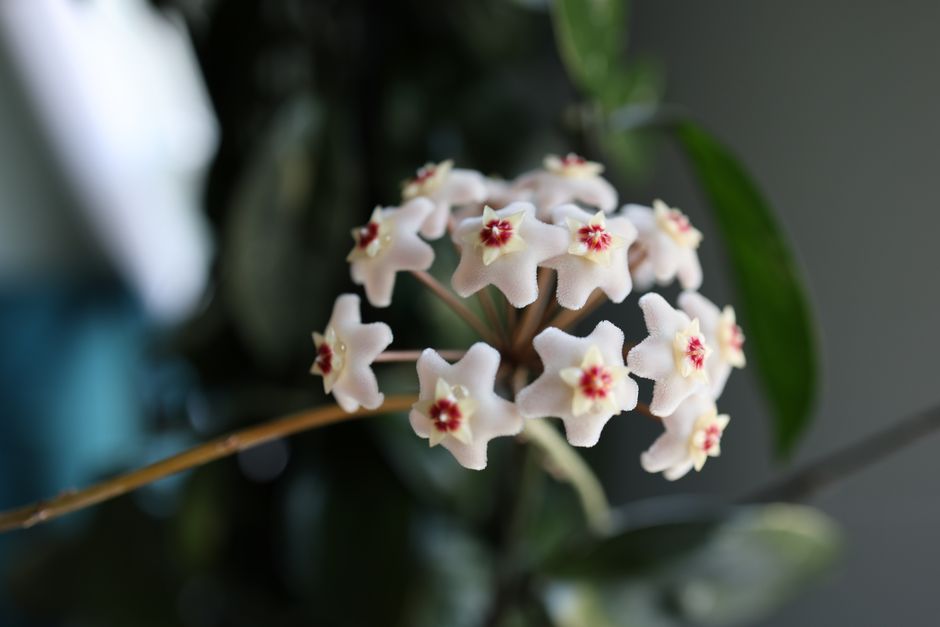
Hoya dennisii is a striking climbing plant with thick, oval leaves and clusters of fuzzy, creamy-white flowers that smell like chocolate and vanilla. Caring for it comes down to a few non-negotiable basics: bright indirect light, well-draining soil that dries out between waterings, and consistent warm temperatures above 60°F. Get those conditions right and this slow-growing hoya will reward you with years of healthy foliage and occasional fragrant blooms.
What Is A Hoya Dennisii Frida?
Hoya dennisii is a tropical vine native to the Philippines. The “Frida” label you see in some nurseries is a cultivar name, though the plant is essentially the same species in terms of care requirements. It belongs to the same family as milkweeds, which explains its unusual flower structure.
The leaves are the first thing most people notice. They are thick, leathery, and oval-shaped with visible veins. New growth often has a reddish or burgundy tint that fades to deep green as the leaf matures. The plant climbs by wrapping its stems around supports, so it needs a trellis or stake to grow upright.
One of the most distinctive features of Hoya dennisii is its flowers. They grow in clusters and are covered in fine hairs, giving them a fuzzy appearance. The blooms are typically cream or pale yellow and produce a noticeable fragrance, especially in the evening. Some compare the scent to chocolate, others to vanilla or spice.
What Light Does A Hoya Dennisii Need?
Bright, indirect light is the sweet spot for this plant. A spot near an east-facing window or a few feet back from a south or west-facing window works well. Direct afternoon sun can scorch the thick leaves, leaving permanent pale or brown patches.
If you grow it under artificial lights, standard grow lights work fine. Aim for 12 to 14 hours of light per day. A plant that does not get enough light will grow slowly, produce smaller leaves, and rarely flower. If the leaves start looking dark and leggy, that is a sign it needs more light.
Hoya dennisii can tolerate lower light conditions for a while, but it will not thrive there. It is not a low-light plant despite being sold alongside pothos and philodendrons in some stores.
How Often Should You Water A Hoya Dennisii?
Water thoroughly when the top 1 to 2 inches of soil feel dry. For most homes, that works out to every 7 to 10 days in the growing season and every 2 to 3 weeks in winter. Always check the soil with your finger before watering. Do not follow a fixed calendar schedule.
This plant stores water in its thick leaves and roots. That makes it more forgiving of missed waterings than of overwatering. Soggy soil leads to root rot, which is the most common cause of death for hoyas in home conditions.
Use a pot with drainage holes and a chunky, airy potting mix. A blend of regular potting soil, perlite, and orchid bark in roughly equal parts works well. The goal is a mix that holds some moisture but drains quickly and never stays wet.




What Temperature And Humidity Does It Prefer?
Hoya dennisii is a tropical plant and needs warmth. Keep it in temperatures between 60°F and 85°F. It will tolerate brief dips below that, but prolonged exposure to temperatures under 50°F can damage the leaves and stems.
Average household humidity of 40 to 50 percent is generally fine. If your home is very dry, especially in winter, you can increase humidity with a pebble tray or a small humidifier. The plant does not require a greenhouse setup, but it will grow faster and look fuller with higher humidity.
Keep it away from cold drafts, air conditioning vents, and heaters. Sudden temperature swings stress the plant and can cause leaf drop.
How Do You Fertilize A Hoya Dennisii?
Feed during the active growing season, which runs from spring through early fall. A balanced liquid fertilizer diluted to half strength, applied once a month, is sufficient. Hoyas are not heavy feeders, and too much fertilizer can burn the roots or cause salt buildup in the soil.
Some growers use a fertilizer higher in phosphorus to encourage blooming. This is a common practice, though the evidence that it reliably triggers flowers in hoyas is limited. What matters more for flowering is adequate light and a plant that has reached maturity.
Stop fertilizing in late fall and winter when growth slows. The plant does not need nutrients while it is resting.
How Do You Get A Hoya Dennisii To Bloom?
Flowering requires patience. Hoya dennisii typically needs to be several years old and well-established before it produces blooms. Young plants, regardless of care, rarely flower.
Bright light is the most reliable trigger. The plant needs enough energy to produce flower clusters, and that energy comes from photosynthesis. Moving the plant to a brighter location in spring often makes the difference between a season of flowers and a season of leaves only.
Do not cut off the old flower stalks, also called spurs or peduncles. Hoyas rebloom from the same spurs year after year. Removing them delays future flowering.
Some growers report that letting the plant become slightly root-bound encourages blooming. This is a widely repeated claim in the hoya community, but there is no strong scientific evidence behind it. What is clear is that a healthy, mature plant in good light is the most likely to flower.
How Do You Propagate Hoya Dennisii?
Stem cuttings are the standard method. Take a cutting with at least two or three nodes, remove the lower leaves, and place the cutting in water or directly into moist potting mix. Roots usually develop within a few weeks.
Water propagation lets you watch the roots grow, which many people find helpful. Once roots reach about an inch long, move the cutting to soil. When rooting directly in soil, keep the mix consistently moist but not soggy until new growth appears.
Propagation is reliable with this species. It is a good way to create more plants for yourself or to share with friends.
What Pests And Problems Affect Hoya Dennisii?
Mealybugs and spider mites are the most common pests. Mealybugs look like small white cottony spots on the stems and leaf undersides. Spider mites cause fine webbing and a stippled, pale appearance on the leaves.
Check the plant regularly, especially the undersides of leaves and the crevices where leaves meet stems. Catching an infestation early makes treatment much easier. Wiping leaves with a damp cloth and applying insecticidal soap or neem oil usually controls both pests.
Yellow leaves usually mean overwatering. Wrinkled or shriveled leaves mean underwatering or root damage. If the lower leaves drop suddenly, check for cold drafts or recent changes in location.
Is Hoya Dennisii Safe For Pets?
Hoya species are generally considered non-toxic to cats and dogs. The American Society for the Prevention of Cruelty to Animals lists several hoya species as non-toxic to pets. However, eating any houseplant can cause mild stomach upset in some animals simply because it is not part of their normal diet.
If your pet chews on plants regularly, it is still wise to keep this hoya out of reach. No plant should be considered a snack, and individual animals can react differently.
Frequently Asked Questions
How much light does a Hoya dennisii need?
Bright, indirect light for most of the day is ideal. A few hours of gentle morning sun is fine, but avoid harsh afternoon direct sun.
Why is my Hoya dennisii not growing?
Slow growth usually means insufficient light or it is the dormant winter season. Move it to a brighter spot and wait for spring growth to resume.
How often should I repot my Hoya dennisii?
Repot every 2 to 3 years or when roots crowd the pot. Choose a pot only one size larger to avoid keeping too much wet soil around the roots.
Can I grow Hoya dennisii in water permanently?
It can survive in water long-term, but soil is better for mature growth and flowering. Water is mainly useful for rooting cuttings.
