
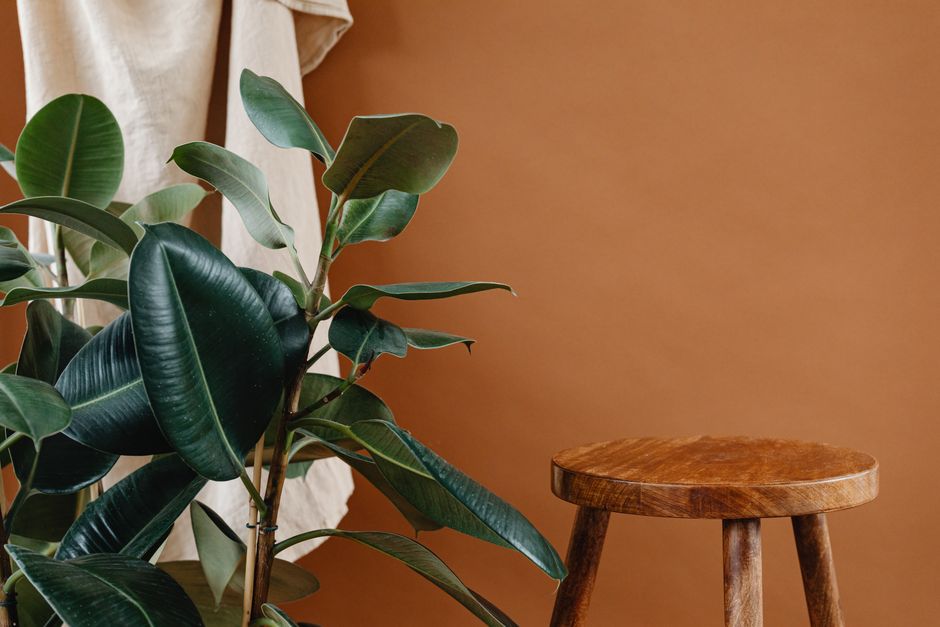
The weeping fig, known botanically as Ficus benjamina, is one of the most popular houseplants in the world, but it has a reputation for being dramatic. If you bring one home and it drops leaves, you are not alone — that is its normal response to change. To keep it healthy, give it bright indirect light, water it only when the top inch of soil feels dry, and, above all, keep its environment consistent. Once it settles in, it is a resilient, long-lived plant that can thrive for decades with the right routine.
What Kind of Light Does a Weeping Fig Need?
Bright, indirect light is the sweet spot for a Ficus benjamina. A spot near an east-facing window or a few feet back from a south or west window works well. Direct afternoon sun can scorch the leaves, especially if the plant is not gradually acclimated to it.
Low light is not a death sentence, but the plant will slow down. Growth becomes sparse, and leaf drop increases. If you notice the canopy thinning out, the plant is telling you it needs more light. Rotate the pot a quarter turn every time you water so all sides receive even light and the plant grows straight.
Do not move the plant once you find a good spot. Ficus benjamina reacts to any change in light intensity by dropping leaves. A spot that works in summer may need adjustment in winter when daylight hours shrink, but make those moves gradually over several days.
How Often Should You Water a Ficus Benjamina?
Water when the top inch to two inches of soil is dry to the touch. Depending on your home’s temperature, humidity, and the pot size, this typically lands at once every 7 to 10 days. During winter, when growth slows, you may water only every two weeks.
Overwatering is the more common mistake. Soggy soil leads to root rot, which is often fatal. Check the pot has drainage holes and never let the plant sit in standing water. Empty the saucer after each watering.
Underwatering shows itself clearly: leaves turn yellow, then brown, then fall. The soil will pull away from the sides of the pot when it is very dry. If you catch it early, a thorough soak will usually revive the plant. Water slowly until it runs out the bottom, then let it drain completely.
Use room-temperature water. Cold water shocks the roots and can trigger leaf drop in sensitive plants.
What Temperature and Humidity Are Ideal?
Ficus benjamina is a tropical tree, so it prefers warm conditions. Keep it in a room between 60°F and 75°F. It can tolerate brief dips down to 50°F, but prolonged cold causes damage. Keep it away from drafty windows in winter and from heating or cooling vents year-round.
Sudden temperature swings are a major cause of leaf drop. A plant near a door that opens frequently to cold outdoor air will protest. So will one sitting directly under an air conditioning vent in summer.
Average household humidity — around 40 to 50 percent — is acceptable. The plant does better with more humidity, especially in winter when indoor air dries out. A pebble tray with water under the pot, or a small humidifier nearby, helps. Do not mist the leaves; it does little to raise humidity around the plant and can encourage fungal spots on the foliage.





How Do You Prune and Shape a Weeping Fig?
Pruning keeps the plant shapely and encourages bushier growth. The best time is early spring, just before the active growing season begins. Use clean, sharp pruning shears. Cut just above a leaf node — the small bump where a leaf attaches to the stem — at a slight angle.
You can remove up to one-third of the growth in a single pruning session without harming the plant. Remove dead, damaged, or crossing branches first. Then shape the canopy by trimming back leggy stems.
Wear gloves when pruning. Ficus benjamina exudes a milky sap that irritates the skin and can be toxic if ingested. The sap also stains fabric, so protect your surfaces.
If you want a taller tree form, remove lower leaves and side shoots along the trunk as the plant grows. This encourages the plant to put energy into upward growth. If you prefer a fuller, shrub-like shape, pinch back the tips of new growth regularly.
When and How Should You Repot a Weeping Fig?
Repot every one to two years, or when roots begin circling the bottom of the pot or growing out of the drainage holes. Spring is the best time. Choose a pot only 2 to 3 inches larger in diameter than the current one. A pot that is too large holds excess water and increases the risk of root rot.
Use a well-draining potting mix. A standard indoor potting soil mixed with perlite or coarse sand works well. The mix should hold moisture but drain freely.
Gently loosen the root ball and place it at the same depth in the new pot. Do not bury the trunk deeper than it was before. Water thoroughly after repotting and keep the plant in a stable spot.
Expect some leaf drop after repotting. It is a stress response, not a sign of failure. The plant usually recovers within a few weeks and puts out new growth.
Why Is My Weeping Fig Dropping Leaves?
Leaf drop is the single most common complaint with Ficus benjamina, and it is almost always environmental. The plant drops leaves when conditions change, even slightly. Moving it from one room to another, a drop in temperature, a draft, or a change in watering frequency can all trigger it.
Overwatering and underwatering both cause leaf drop. So does low light. If the plant drops leaves but the remaining foliage looks healthy, the cause is likely a recent change in its environment. Review what changed in the past few weeks and correct it.
Pests can also cause leaf drop. Check the undersides of leaves for tiny webs, sticky residue, or small moving dots. Spider mites, scale, and mealybugs are the most common offenders. Wipe leaves with a damp cloth and treat with insecticidal soap if you find pests.
In most cases, leaf drop is not fatal. The plant will regrow if you correct the underlying issue and leave it alone. Resist the urge to move it, repot it, or fertilize it while it is stressed.
How To Care For A Ficus Benjamina Weeping Fig During Winter
Winter is the hardest season for indoor plants, and Ficus benjamina is no exception. Growth slows dramatically, so reduce watering. The top two inches of soil should be dry before you water again.
Hold off on fertilizing from late fall through early spring. The plant is not actively growing, and fertilizer salts can build up in the soil and damage roots. Resume a regular feeding schedule in spring.
Indoor heating dries the air, which stresses the plant. Group it with other plants to create a microclimate, or use a humidifier in the room. Keep it away from radiators, fireplaces, and heat vents.
Daylight hours are shorter, so the plant receives less light. If the canopy thins, consider moving it closer to a window. Do this gradually over a week to minimize shock.
Common Pests and Diseases to Watch For
Spider mites are the most frequent pest on weeping figs. They thrive in dry conditions and leave fine webbing on the undersides of leaves. Increase humidity and wipe down leaves regularly to discourage them.
Scale appears as small, brown, oval bumps on stems and leaf undersides. They are hard to see at first and can spread quickly. Remove them by hand with a cotton swab dipped in rubbing alcohol, then treat the plant with insecticidal soap.
Mealybugs look like tiny bits of cotton on the plant. They suck sap and excrete sticky honeydew, which can attract sooty mold. Treat them the same way you treat scale.
Root rot is the most serious disease. It comes from overwatering and shows as yellowing leaves, a foul smell from the soil, and mushy roots. If you catch it early, repot the plant in fresh, dry soil and cut away rotted roots. If the rot is extensive, the plant may not survive.
Frequently Asked Questions
Why does my weeping fig drop leaves every time I move it?
Ficus benjamina is highly sensitive to changes in light, temperature, and humidity. Any relocation triggers a stress response that causes leaf drop, which usually resolves once the plant acclimates to its new spot.
Is the sap from a weeping fig toxic?
Yes. The milky sap contains compounds that can irritate skin and cause stomach upset if ingested. Keep the plant away from pets and small children, and wear gloves when pruning.
How long do weeping figs live indoors?
With consistent care, a Ficus benjamina can live 20 years or more indoors. Many specimens are passed down through generations when kept in stable conditions with proper watering and light.
Can I keep a weeping fig in my bedroom?
Yes, as long as the room gets bright indirect light during the day. The plant releases oxygen during the day and carbon dioxide at night, which is harmless in normal room conditions.
